Open-source investigators have confirmed two drone strikes in northern Mali involving Shahed-136-type loitering munitions in the villages of Inafarak and Talahandak, near the Algerian border.
The findings come from an investigation by Bellingcat and Jeune Afrique, which analyzed social media footage, high-resolution satellite imagery, geolocation data, and expert assessments.
Investigators matched videos posted online with satellite imagery captured after the attacks, confirming the locations and damage.
Analysts identified the remains of what appeared to be an MD-550 piston engine, a component widely associated with the Shahed system.
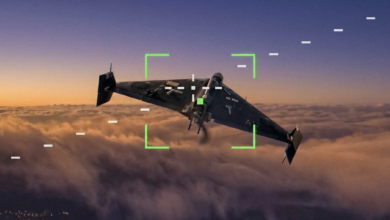
The Shahed-136 is a long-range one-way attack drone originally developed in Iran and now also manufactured in Russia.
Designed to detonate on impact, it provides a relatively low-cost, expendable strike capability that can engage targets over long distances.
Because the drone cannot verify or adjust its target once launched and instead relies on pre-strike intelligence, any error in target identification increases the risk of hitting the wrong target in Mali’s fluid battlefield, where armed groups operate near civilian populations.
Escalating Violence
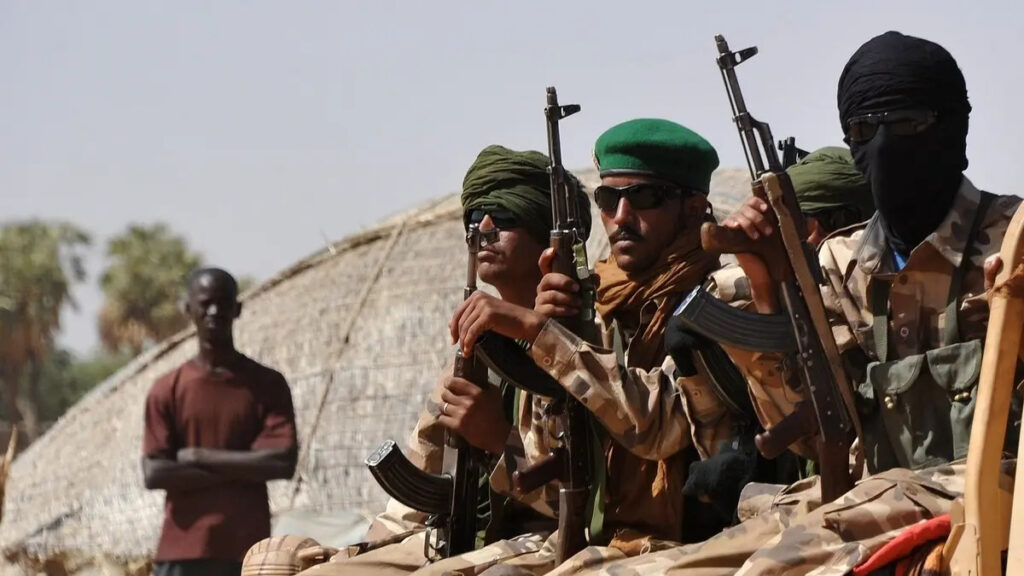
Following a series of military coups in recent years, Mali has deepened security ties with Russia after expelling French and UN forces, relying first on the Wagner Group and now on its successor, Africa Corps, in operations against Islamist armed groups and Tuareg separatists.
According to conflict monitor ACLED, drone strikes have become a significant driver of civilian deaths in Mali.
In June, Human Rights Watch accused Africa Corps of killing eight civilians, including three children, during airstrikes carried out alongside the Malian military.
ACLED reported that Malian forces and Russian paramilitary groups killed 918 civilians last year.