Small, cheap, and lethal in volume, the Shahed drone has become one of the defining weapons of contemporary conflict.
Once viewed primarily as part of Iran’s regional military toolkit, the platform has since reshaped how militaries think about mass, attrition, and air defense saturation.
Here’s a closer look at how the drone was developed, how it works, and why it continues to attract international attention.
At a Glance
| Category: | Details: |
| Type | Loitering munition / one-way attack drone |
| Role | Long-range strike and attrition warfare |
| Country of Origin | Iran |
| Manufacturer | Iran Aircraft Manufacturing Industrial Company (HESA) |
| Primary Variants | Shahed-131, Shahed-136, Shahed-238 |
| Launch Method | Rail-assisted ground launch from truck-mounted racks |
| Propulsion | Rear-mounted piston engine with pusher propeller (Shahed-131/136); jet-powered (Shahed-238) |
| Speed | Approximately 185 kilometers (115 miles) per hour (Shahed-136) |
| Range | Shahed-131: 900 kilometers/560 miles; Shahed-136: 2,000-2,500 kilometers/1,243-1,550 miles |
| Wingspan | Approximately 2.5 meters (8.2 feet) |
| Launch Weight | Approximately 200 kilograms (441 pounds) |
| Guidance | GPS/INS-based navigation |
| Warhead Type | High-explosive fragmentation payload |
| Operational Use | Strategic infrastructure strikes, saturation attacks, battlefield attrition |
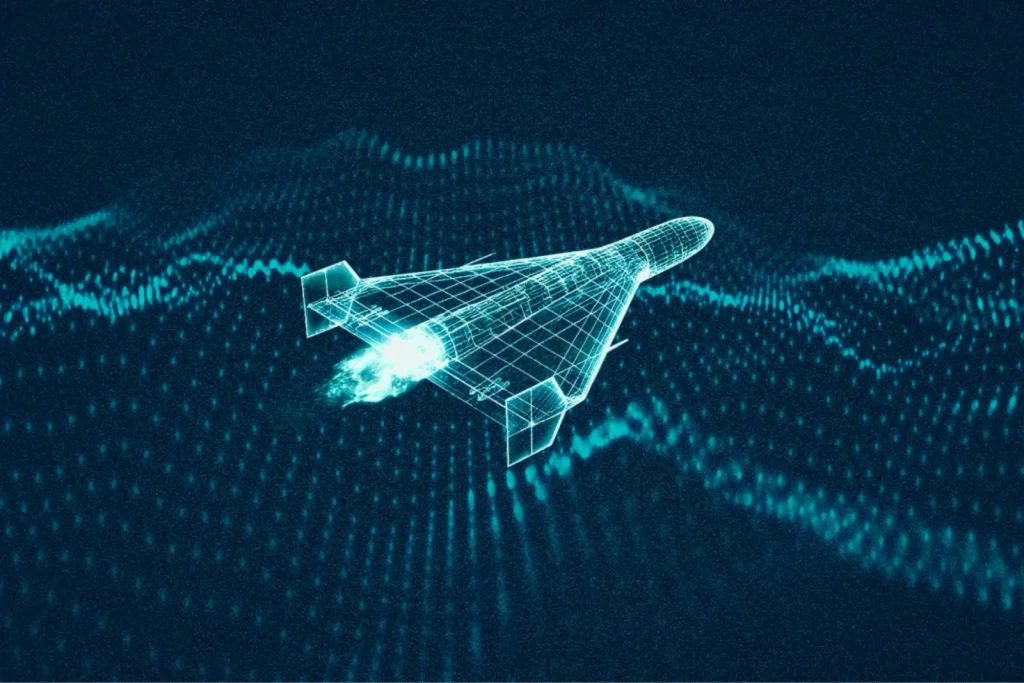
What Is the Shahed Drone?
The “Shahed” name refers to a family of Iranian unmanned aerial vehicles (UAVs) developed primarily by the Islamic Revolutionary Guard Corps (IRGC) and Iran’s domestic aerospace sector.
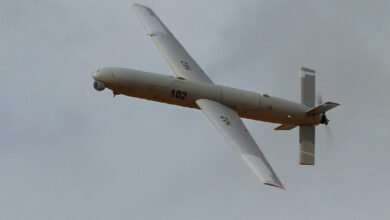
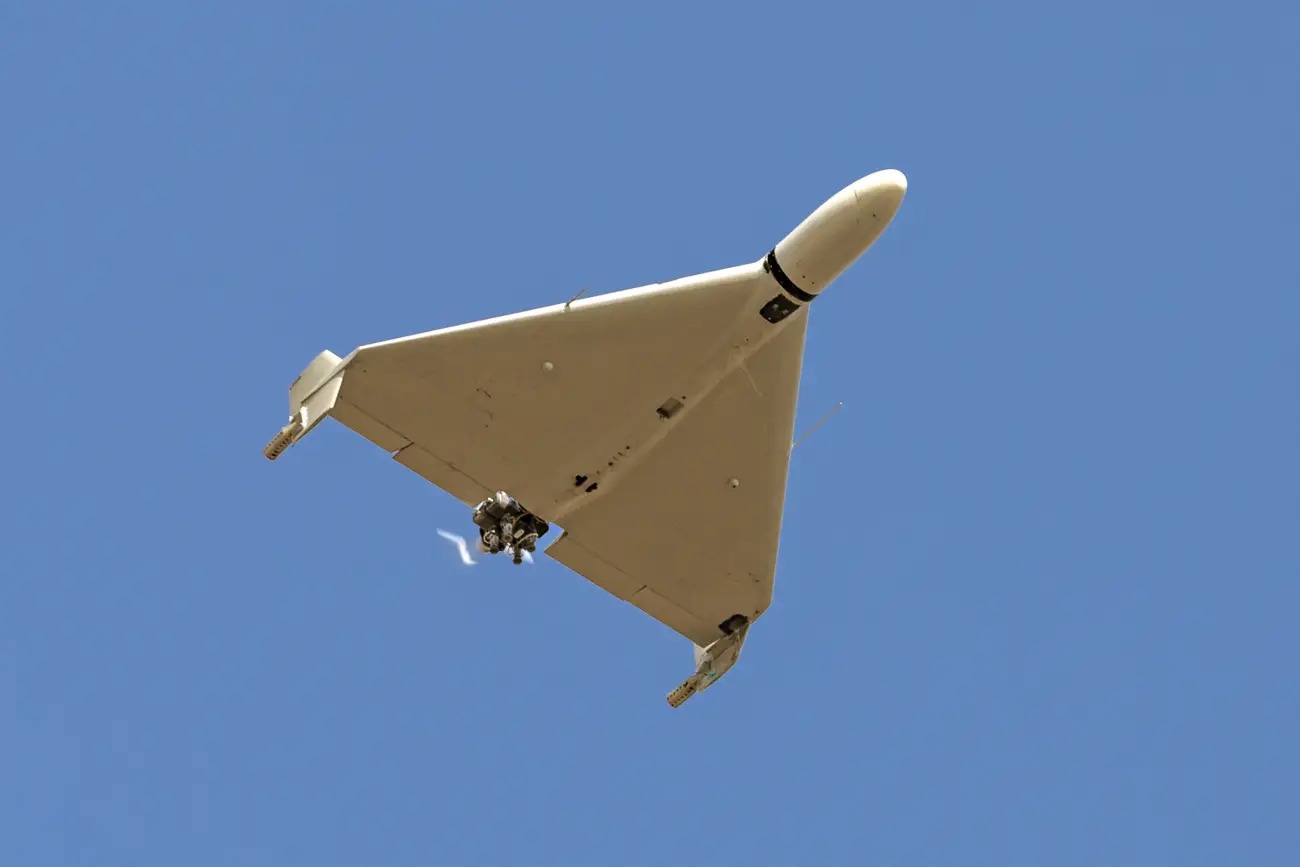
While the series includes reconnaissance and combat drones, the term is most commonly associated with the Shahed-136, a loitering munition designed for long-range one-way strike missions.
Unlike traditional combat aircraft, the Shahed is not recovered after flight. It travels toward a target and detonates on impact.
Its growing prominence stems from its relatively low production cost, ease of mass deployment, and demonstrated ability to overwhelm layered air defense systems through volume alone.
Origins and Development
Iran accelerated domestic drone development during the 1980s and 1990s as international sanctions cut off access to advanced foreign aircraft and weapons systems.
Over time, unmanned platforms became a central pillar of Iran’s asymmetric defense strategy — a way to project force without the prohibitive cost of conventional air power.
Key milestones include:
- 1980s: Iran begins early UAV experimentation during the Iran-Iraq War.
- 2000s: Expansion of indigenous drone programs under Iranian military industries.
- 2019: Shahed-series drones are linked to the Abqaiq–Khurais attacks on Saudi Arabian oil infrastructure, the first large-scale demonstration of the platform’s strategic strike potential.
- 2022 onward: Shahed-136 drones, transferred to Russia and redesignated as the Geran-2, are deployed extensively against Ukrainian infrastructure, bringing the platform to global attention.
Development of the Shahed series is attributed to the Iran Aircraft Manufacturing Industrial Company, the IRGC, and Iranian state-backed aerospace organizations.
Variants
| Variant | Primary Role | Notes |
| Shahed-129 | Reconnaissance and strike UAV | Comparable in role to MALE drones like the MQ-1 Predator |
| Shahed-131 | Loitering munition | Smaller and shorter-range variant of the Shahed-136 |
| Shahed-136 | Long-range strike drone | Most widely deployed operational model; used extensively in Ukraine as the Geran-2 |
| Shahed-238 | High-speed strike drone | Jet-powered variant; faster and harder to intercept than piston-engine models |
| Shahed-149 “Gaza” | Long-endurance combat UAV | Larger surveillance and strike platform; acquired its name following the October 7, 2023 Hamas attack on Israel |
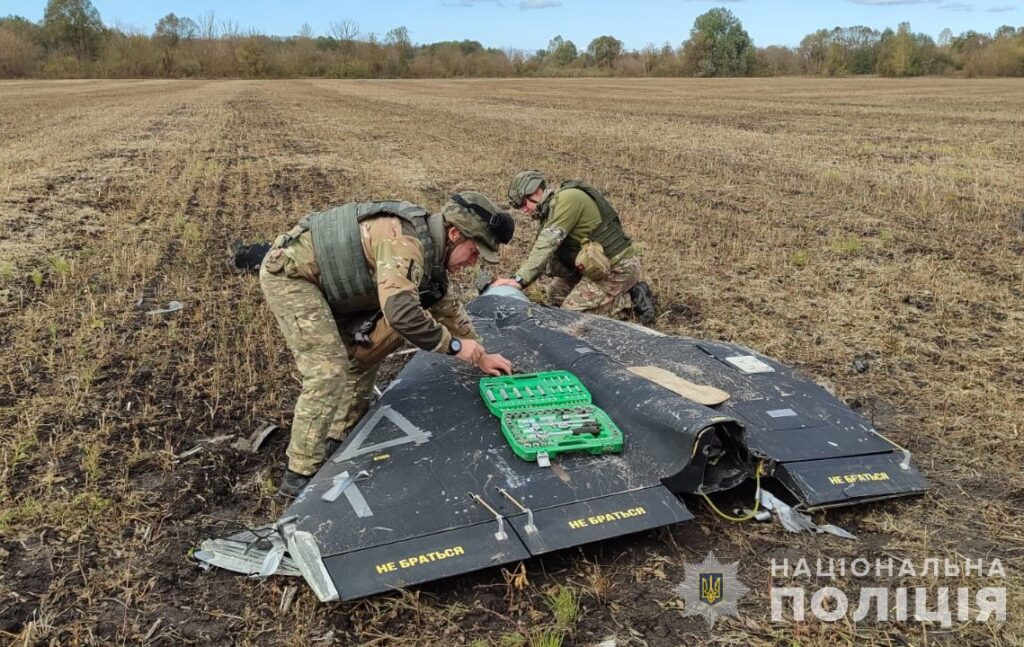
How the Shahed Drone Works
Launch and Flight Profile
The Shahed-136 is launched from angled racks mounted on trucks or trailers, requiring no prepared runway or air base infrastructure.
After launch, it follows pre-programmed coordinates using satellite navigation and onboard inertial guidance systems.
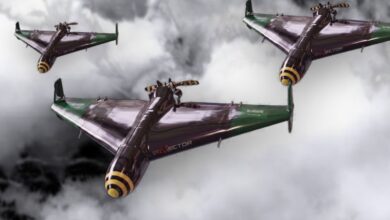
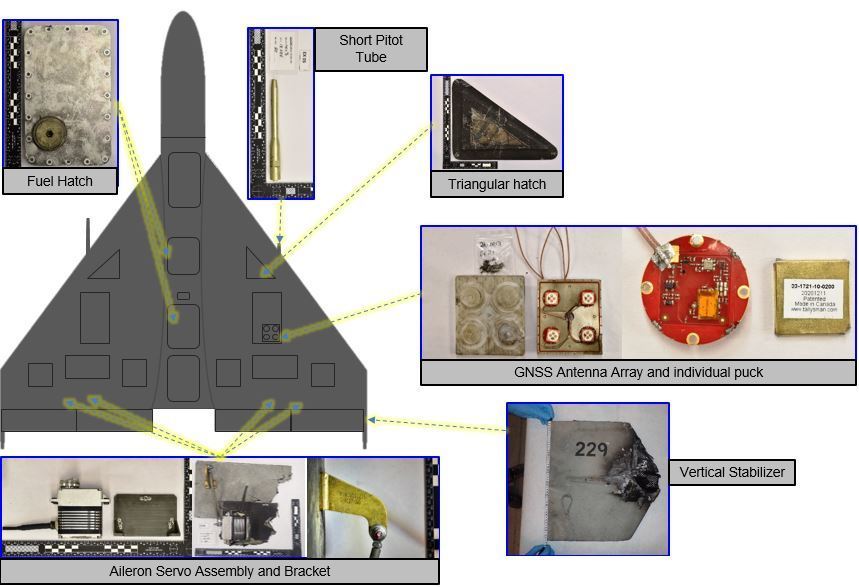
Its delta-wing design prioritizes endurance and simplified production over speed or maneuverability, a deliberate trade-off that makes it slow and loud but cheap to build and easy to deploy in quantity.
Key Features
- Long operational range enabling deep strikes against strategic targets
- Low production cost relative to conventional cruise missiles
- Ability to overwhelm defenses through swarm-style saturation attacks
- Relatively small radar cross-section compared to manned aircraft
Strengths
The Shahed’s defining advantage is cost asymmetry.
A drone that costs a fraction of a conventional cruise missile can still destroy power infrastructure, air defense equipment, and military logistics nodes — forcing defenders to expend far more expensive interceptors per engagement than the attacker spends per drone.
At scale, that math degrades even well-resourced air defense networks.
The platform also supports asymmetric warfare strategies, allowing state and non-state operators alike to conduct long-range strikes without risking pilots or investing in expensive aircraft programs.
Limitations
Despite its impact, the Shahed series has notable weaknesses:
- Slow flight speed makes individual drones vulnerable to interception
- Loud piston engine provides acoustic warning to ground observers
- Susceptible to electronic warfare and GPS jamming
- Limited flexibility once launched; cannot be retargeted mid-flight in baseline configurations
Global Use and Combat Deployments
The Shahed series has been deployed across multiple theaters, establishing it as one of the most operationally active drone platforms of the current era.
Middle East
Iranian-aligned groups have used Shahed variants in attacks targeting infrastructure, military positions, and shipping routes across the region.
The 2019 Abqaiq–Khurais strikes demonstrated the platform’s ability to conduct coordinated, precision attacks on high-value strategic targets at range.
Russia-Ukraine War
Russia has deployed Shahed-136 drones, redesignated as the Geran-2, in large-scale strike campaigns against Ukrainian power grids, heating infrastructure, and air defense networks.
These operations have provided the most extensive real-world test of the platform’s effectiveness and limitations to date, and have directly accelerated Western investment in counter-drone systems.
Red Sea
Iranian-backed Houthi forces have used drone technology, including Shahed variants, in attacks targeting commercial shipping and naval vessels, disrupting one of the world’s most critical maritime corridors.
Future Outlook
The Shahed drone’s trajectory points in two directions simultaneously.
On one side, the platform continues to evolve. The jet-powered Shahed-238 addresses the speed vulnerability that made earlier models relatively easy to intercept individually, and further variants are likely.
Proliferation remains a serious concern, with the drone’s low cost and demonstrated effectiveness making it an attractive model for other state and non-state actors.
On the other side, the Shahed’s operational record has accelerated investment in counter-UAV systems, electronic warfare, and layered air defense networks at a pace not seen since the Cold War.
The arms race between mass drone attack and cost-effective drone defense is now one of the defining technological competitions in modern warfare.
The Shahed didn’t start that competition but proved the concept at scale — and that is unlikely to be forgotten.