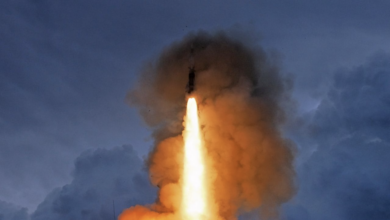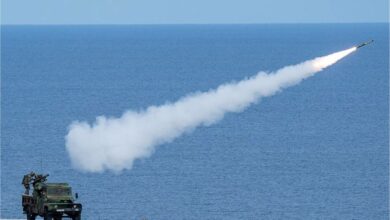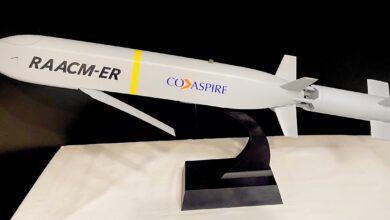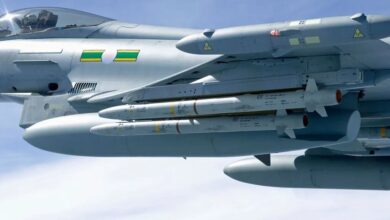

MBDA has begun low-rate production of the SPEAR air-launched mini cruise missile following successful testing, with first deliveries scheduled for early 2027.
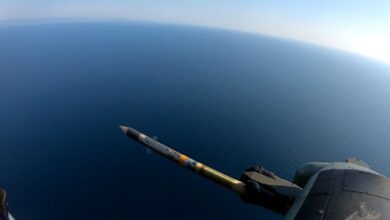
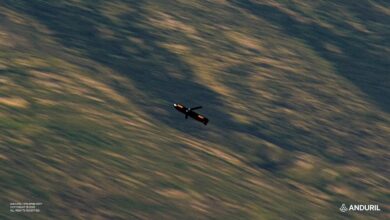
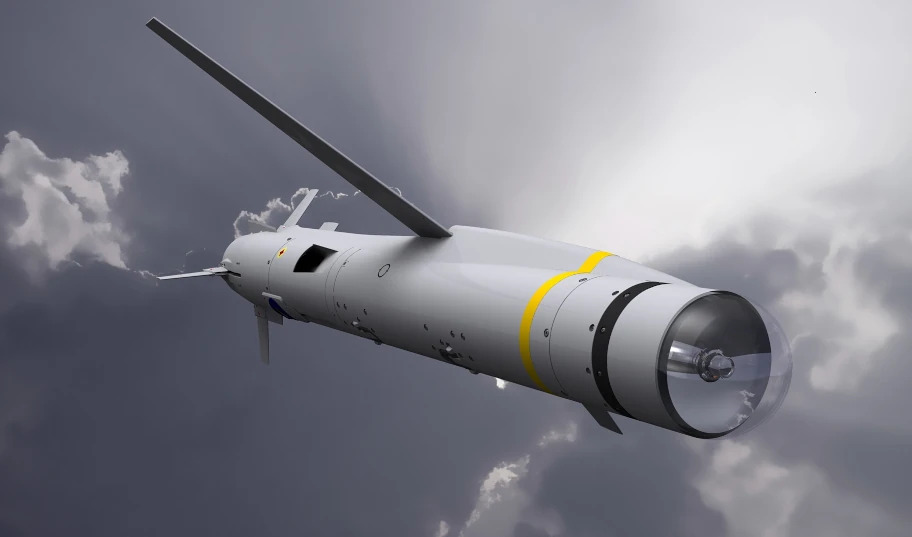
Officially known as Selective Precision Effects At Range (SPEAR 3), the 100-kilogram (220-pound), turbojet-powered, network-enabled, all-weather missile was originally developed for the UK’s F-35B fighter.
MBDA is also pursuing integration with European fourth-generation fighters and is developing a three-round pylon launcher for external carriage, expected to be available next year.
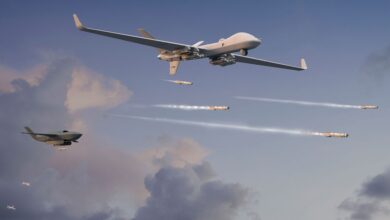
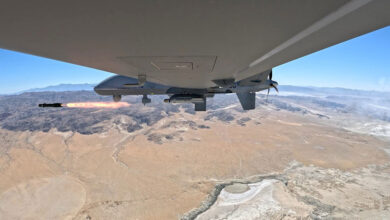
Future integration has also been announced for two General Atomics Aeronautical Systems platforms: the MQ-9B remotely piloted aircraft and the Gambit 6 collaborative combat aircraft.
SPEAR 3
Designed to suppress and destroy enemy air defenses, SPEAR 3 can strike fixed and moving targets at standoff ranges exceeding 100 kilometers (62 miles), allowing launch aircraft to remain outside hostile air defense coverage.
A two-way datalink enables in-flight target updates, retargeting, and mission abort, while a dual-mode seeker combining millimeter-wave radar and semi-active laser guidance supports all-weather, fire-and-forget precision strikes.
Its compact size allows aircraft to carry more weapons and engage multiple targets in a single sortie, while a multi-effect warhead with selectable fuzing maximizes lethality while minimizing collateral damage.
Other Variants
MBDA is developing additional SPEAR variants, including SPEAR Glide, an unpowered version with a larger warhead that replaces the turbojet engine and millimeter-wave seeker.
It is also developing SPEAR EW, a stand-in jammer equipped with a Leonardo-developed digital radio frequency memory payload to deceive enemy air defenses.
In addition, the company has demonstrated the integration of its Orchestrike AI technology into SPEAR, enabling swarms of missiles to collaborate and adapt to changing battlefield conditions in real time.