Air defense systems are often judged by what never happens. A missile intercepted before impact, a drone swarm broken apart mid-flight, or an aircraft forced to turn back before reaching its target rarely produces dramatic images on the battlefield.
Yet those unseen interceptions increasingly define modern warfare. Built for that mission, the SAMP/T is a European air defense system designed to counter aircraft, cruise missiles, and ballistic threats.
This guide explores how the SAMP/T became one of the continent’s most advanced ground-based air defense systems.
At a Glance
| Category: | Details: |
| Type | Mobile surface-to-air missile defense system |
| Role | Air and missile defense |
| Developers | MBDA and Thales Group |
| Operating Countries | France, Italy |
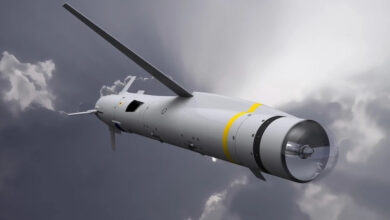
| Missiles | Aster family |
| Targets | Combat aircraft, drones, cruise missiles, and short-range ballistic missiles |
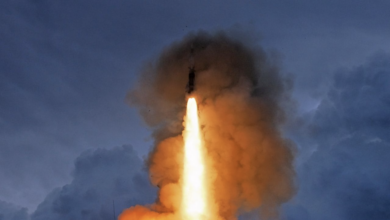
| Launch method | Vertical launch |
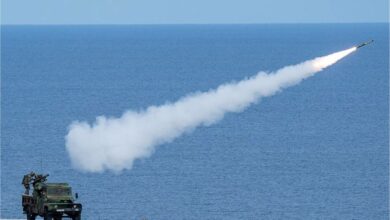
| Mobility | Truck-mounted mobile batteries |
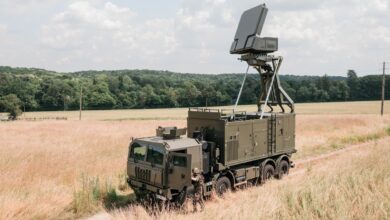
| Radar | Multifunction phased-array radar |
| Engagement Range | Aster 15: 30 kilometers (18.6 miles) Aster 30: 120 kilometers (74.6 miles) |
| Engagement Altitude | Up to approximately 20 to 25 kilometers (12.4 to 15.5 miles) |
| Reaction Time | Rapid-response / shoot-and-scoot capability |
| Comparable Systems | MIM-104 Patriot, S-400 Triumf |
What Is the SAMP/T System?
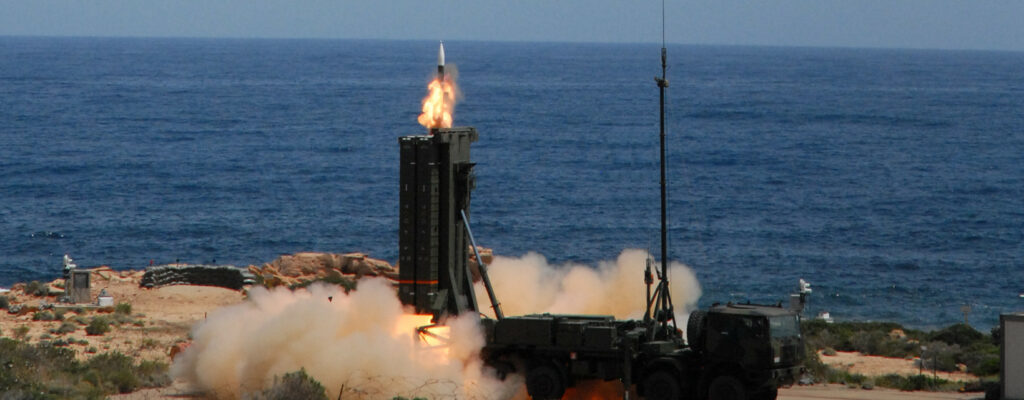
The Sol-Air Moyenne Portée/Terrestre, or SAMP/T for short, is a mobile surface-to-air missile defense system designed to protect military forces and critical infrastructure from aerial threats.
At the center of the system is the Aster interceptor missile, built to strike fast-moving targets ranging from fighter jets and drones to low-flying cruise missiles and tactical ballistic threats before they reach their target.
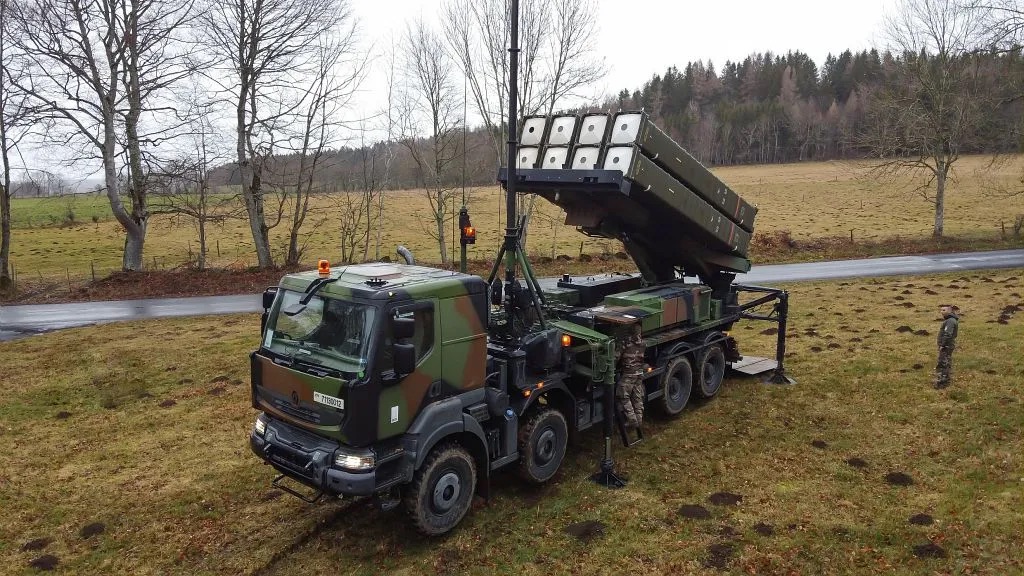
Unlike fixed strategic missile shields, the SAMP/T was designed for mobility, allowing batteries to relocate quickly to protect advancing forces or vulnerable infrastructure.
It is also often viewed as Europe’s closest counterpart to the US’ MIM-104 Patriot missile system.
How the SAMP/T Came to Be
The SAMP/T program emerged in the 1990s as France and Italy sought a modern replacement for aging Cold War-era air defense systems. At the same time, European governments wanted a domestically developed alternative to heavy reliance on American missile defense platforms.
The project became part of a broader effort to strengthen NATO-compatible European defense capabilities while maintaining independent control over industrial and technological capabilities.
Development was led through the Eurosam consortium, combining missile technology from MBDA with radar and sensor systems from Thales.
The resulting system integrated the vertically launched Aster missile family with advanced radar tracking and battle management systems capable of engaging multiple threats simultaneously.
SAMP/T Variants
Original SAMP/T
The baseline SAMP/T system was developed primarily for medium-range air defense against aircraft, drones, and cruise missiles.
SAMP/T NG (Next Generation)
The upgraded SAMP/T NG introduces improved radar performance, enhanced ballistic missile defense capability, and compatibility with newer Aster 30 Block 1 NT missiles designed to counter more advanced threats.
The NG version also incorporates improved digital networking and faster target processing capabilities for modern multi-threat environments.
How the SAMP/T Works
Key Features
Aster Missile Interceptors
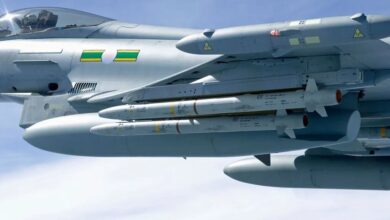
The SAMP/T uses Aster interceptor missiles equipped with highly agile guidance systems designed to engage fast-moving aerial threats. After launch, the missiles use thrust-vector control and active guidance to maneuver aggressively during interception.
Advanced Radar Coverage
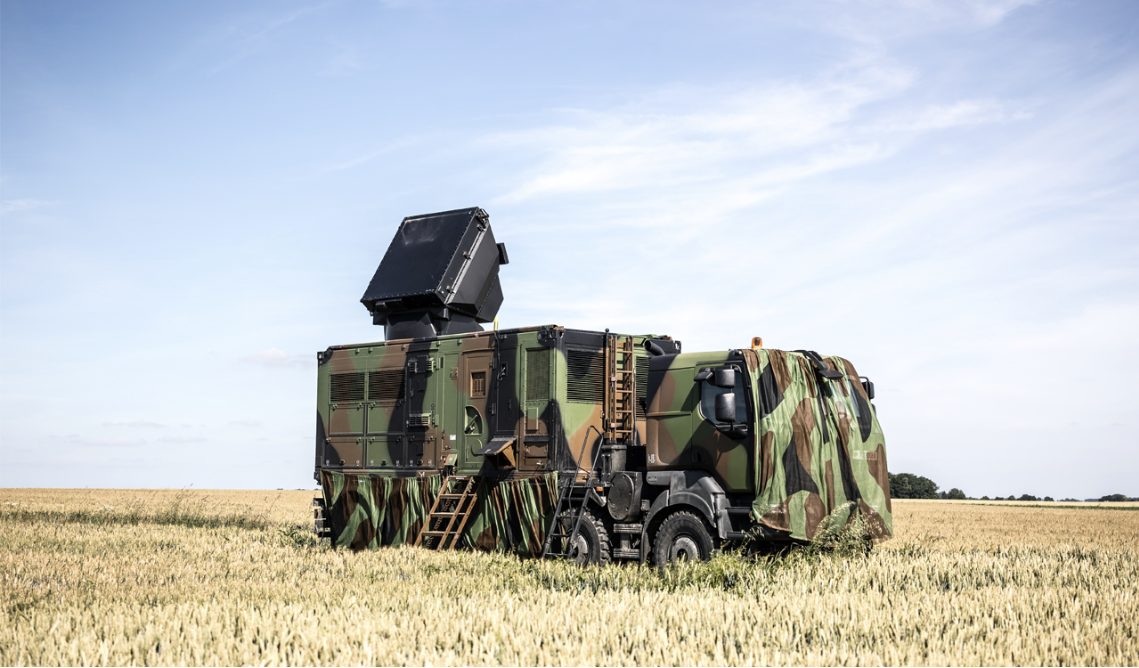
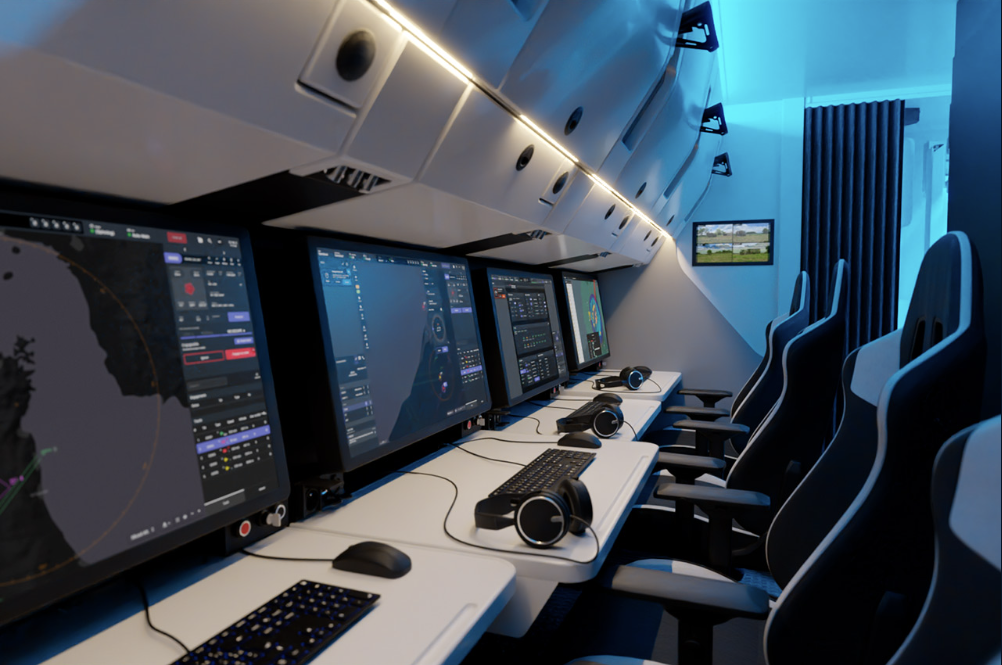
The system relies on multifunction radar systems capable of tracking numerous targets simultaneously across large areas of airspace. This allows operators to monitor aircraft, drones, cruise missiles, and ballistic threats in real time.
High Mobility
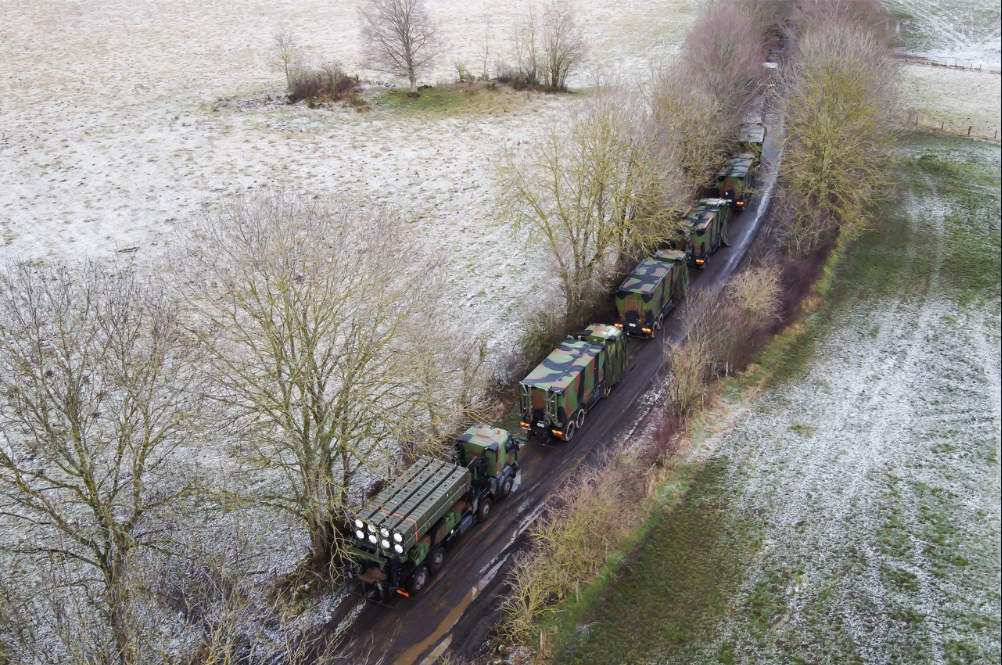
Unlike fixed missile defense installations, SAMP/T batteries are mounted on mobile launch vehicles and support trucks, allowing rapid deployment and repositioning during military operations.
Strengths
- Multi-threat capability: One of the system’s main advantages is its ability to engage multiple types of aerial threats using a single integrated platform.
- NATO interoperability: The SAMP/T is designed to integrate with broader NATO air defense networks, allowing data sharing and coordinated defense operations alongside allied systems.
- Rapid deployment: Its mobile design enables operators to relocate batteries quickly, improving survivability against enemy targeting.
Limitations
- Limited inventory numbers: Compared with systems such as the MIM-104 Patriot, the SAMP/T exists in relatively limited numbers.
- Ballistic missile constraints: While capable against some ballistic missile threats, the system is not designed to counter the full spectrum of advanced strategic missile attacks.
Global Use and Deployments
France and Italy remain the primary operators of the SAMP/T system, using it for homeland defense and NATO operations.
However, the platform gained international attention after France and Italy agreed to provide a SAMP/T battery to Ukraine to strengthen defenses against Russian missile attacks.
Denmark, Switzerland, and several Gulf countries have purchased or expressed interest in utilizing the defense system.
SAMP/T batteries have also participated in NATO exercises focused on integrated missile defense and expeditionary air defense operations.
Future Outlook
The SAMP/T NG upgrade reflects growing demand for more capable missile defense systems as drones, cruise missiles, and ballistic threats become more sophisticated.
Future improvements are expected to focus on enhanced radar coverage, faster data processing, expanded missile capability, and deeper integration with NATO command networks.
As Europe continues investing in independent defense capabilities, the SAMP/T is likely to remain one of the continent’s most important air and missile defense platforms.