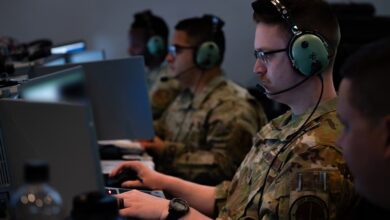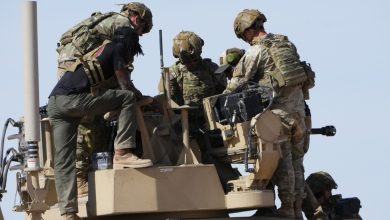
The US Army has announced that its Next Generation Command and Control (NGC2) system is ready for broader deployment after completing a series of large-scale operational trials.
Army officials said the exercise marked the conclusion of a 10-month prototyping phase and the beginning of a gradual rollout across operational formations.
NGC2 will replace the army’s fragmented command-and-control architecture, which relies on separate systems for functions such as fires, logistics, intelligence, and airspace management.
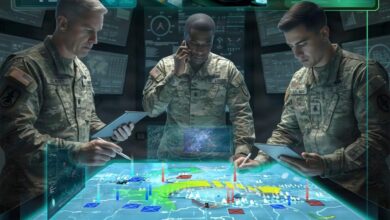
It uses a common data layer to integrate information from across all warfighting functions into a single operational picture, allowing commanders at every level, from individual soldiers to corps headquarters, to access the same data and make decisions more quickly.
To maintain connectivity in contested environments, NGC2 provides multiple communications pathways, including private 5G networks, satellite communications, and terrestrial links.
The system is designed to shorten the digital kill chain by reducing the time between target detection, data processing, and engagement, allowing units to respond more quickly.
“We know the biggest risk to our national security and our national defense is not moving too fast. It’s not moving fast enough,” said Dan Driscoll, secretary of the US Army.
“The side that can sense a target, process the data, and deliver a kinetic effect the fastest, wins. That is the decisive advantage this capability provides.”
NGC2 Future Rollout
More than 60 companies are currently contributing technologies to the NGC2 ecosystem, and the army said it will continue adding and replacing vendors as the program develops.
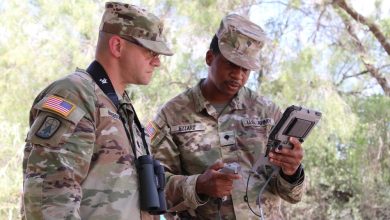
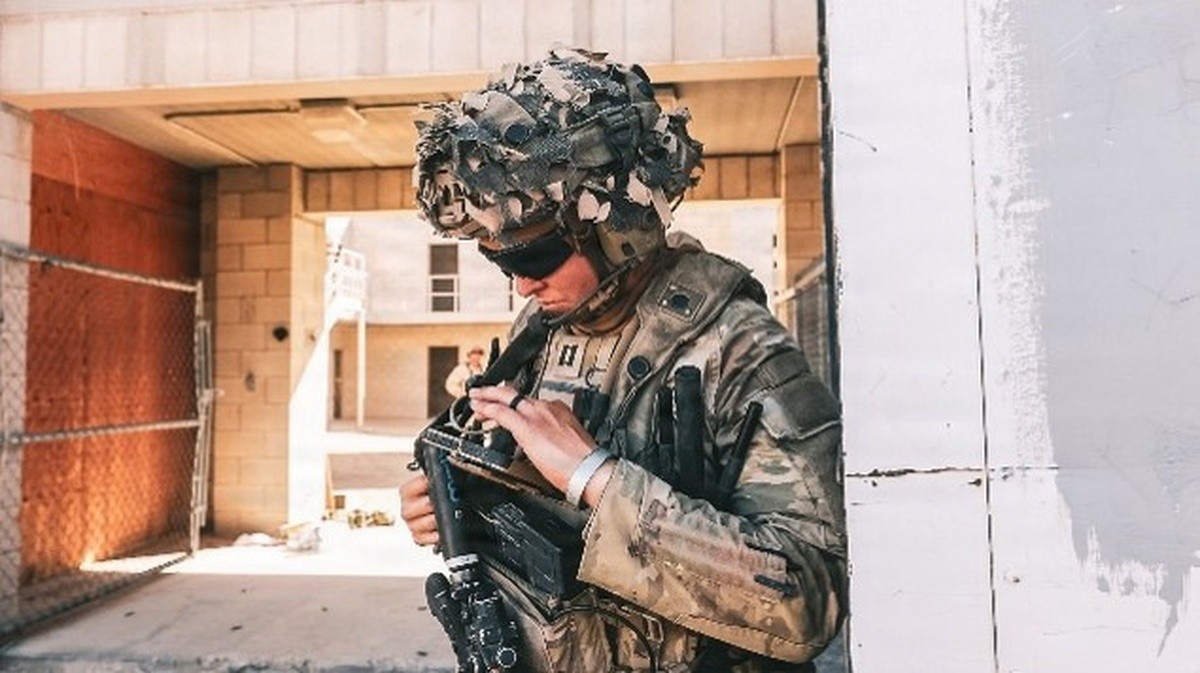
Through a series of operational exercises, soldiers are evaluating the system’s hardware and software in realistic, contested environments, with their feedback incorporated into successive iterations of the platform.
During the recent Project Convergence-Capstone 6 trials, the army expanded testing to the division level, operating in the desert environment of Fort Irwin, California, against a dedicated opposing force.
Future upgrades will be delivered through a common data layer that enables software, applications, and other system components to be updated as operational requirements evolve.
Initial deployment will begin with I Corps headquarters and supporting formations, with further rollout informed by lessons from testing with the 4th and 25th Infantry Divisions.