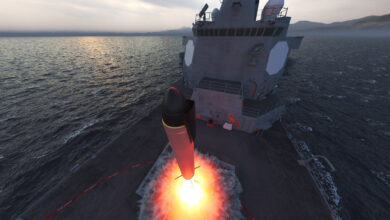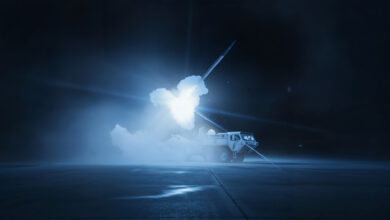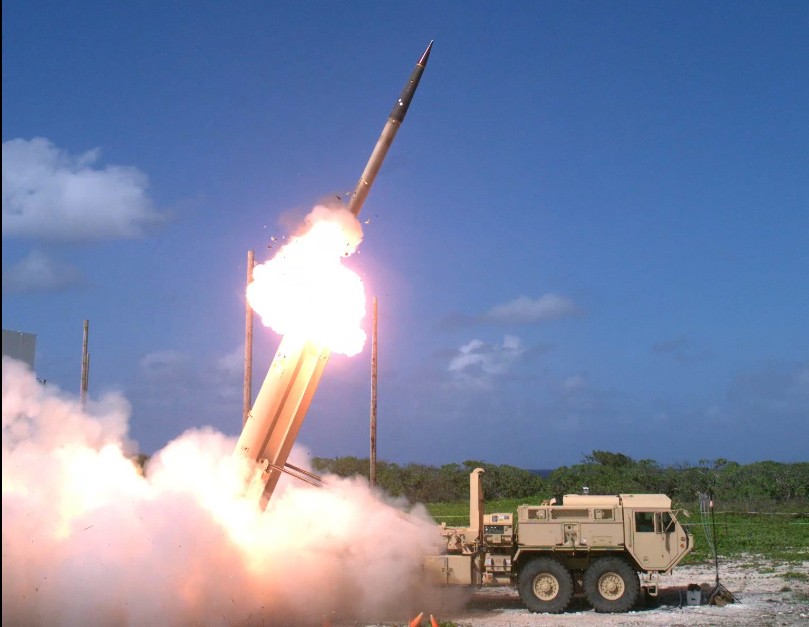

L3Harris Technologies will quadruple production of propulsion systems for the Terminal High Altitude Area Defense (THAAD) missile defense system under a new framework agreement with the US Department of Defense and Lockheed Martin.
The seven-year deal is expected to become the company’s largest THAAD propulsion contract to date once finalized later this year. It supports the Pentagon’s Acquisition Transformation Strategy, which aims to accelerate delivery of critical defense capabilities.
Under the agreement, L3Harris will expand production of THAAD’s Solid Rocket Boost Motors and Liquid Divert and Attitude Control Systems (LDACS), both key components of the interceptor missile.
Propulsion systems enable the interceptor to reach its target and make precision course corrections during the final phase of an engagement.
“The agreement builds upon our ongoing investments to build new facilities, incorporate modern manufacturing practices and bolster our suppliers to ensure we can support the critical systems that protect our nation and allies,” L3Harris President for Missile Solutions Ken Bedingfield said.
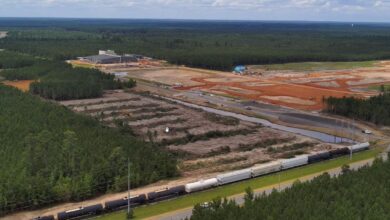
The company manufactures THAAD boost motors at facilities in Huntsville, Alabama, and Camden, Arkansas, while the LDACS thrusters are produced in Los Angeles.
L3Harris said it is already meeting or exceeding delivery schedules for both propulsion systems.
US Expands THAAD Production
The new framework agreement follows a series of recent US efforts to increase THAAD production as demand for missile defense systems continues to grow.
In June, Lockheed Martin secured a seven-year contract worth up to $35 billion to increase production of THAAD interceptors for the US and allied nations.
Earlier, in May, the company broke ground on a new missile production facility in Troy, Alabama, adding 87,000 square feet (8,083 square meters) of manufacturing space to expand THAAD interceptor output and support future missile defense programs.
The production push follows a February contract awarding L3Harris $400 million to manufacture additional solid rocket booster motors and LDACs, key components that power and steer THAAD interceptors during high-altitude engagements.