When Russia masses troops on a border, that’s hard power.
When China funds infrastructure across Southeast Asia, that’s soft power.
When the United States coordinates sanctions, deploys a carrier strike group, and runs a diplomatic back-channel simultaneously, that’s smart power.
The three concepts describe how states actually compete for influence, and understanding the difference is essential to reading almost any modern geopolitical situation clearly.
Hard Power
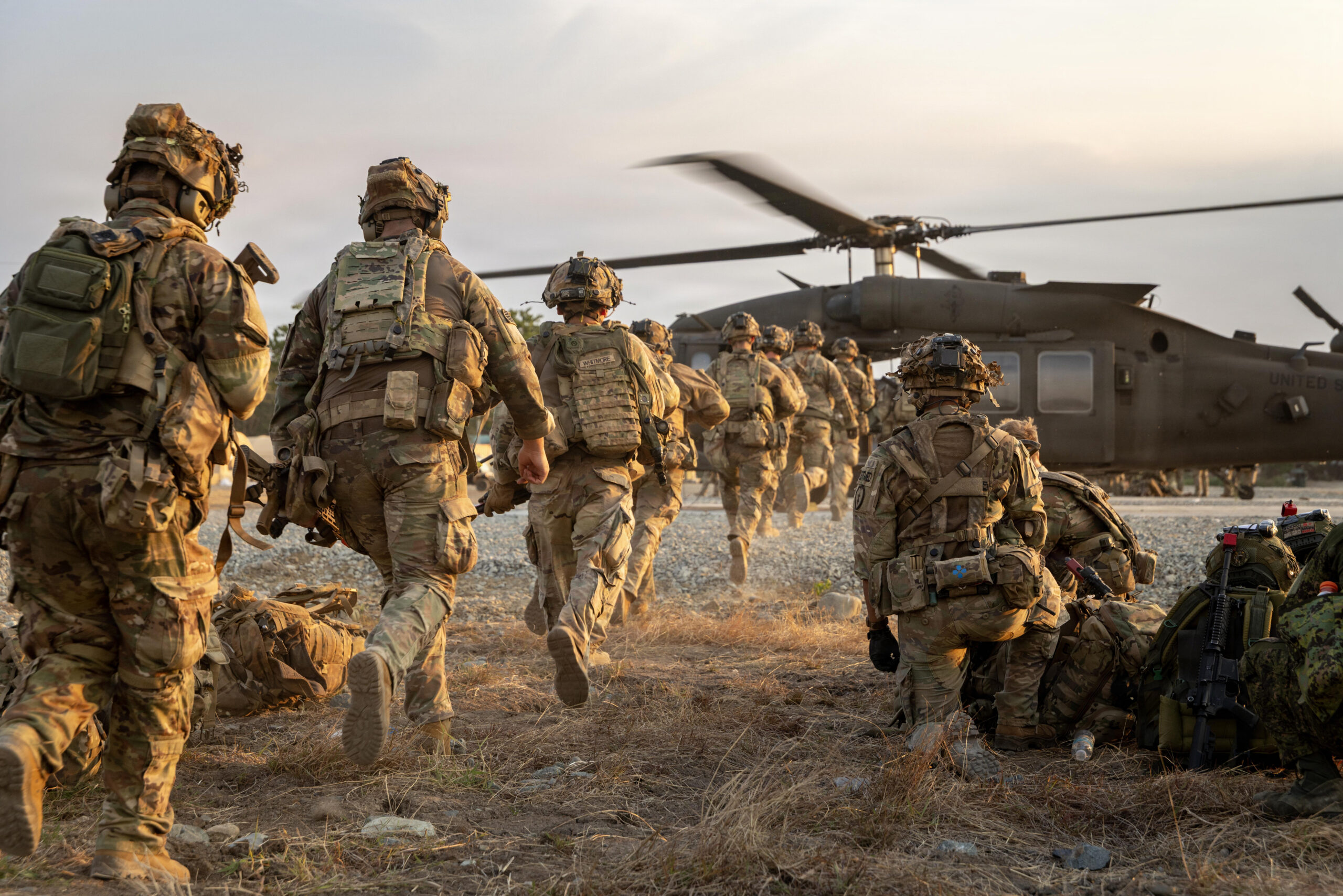
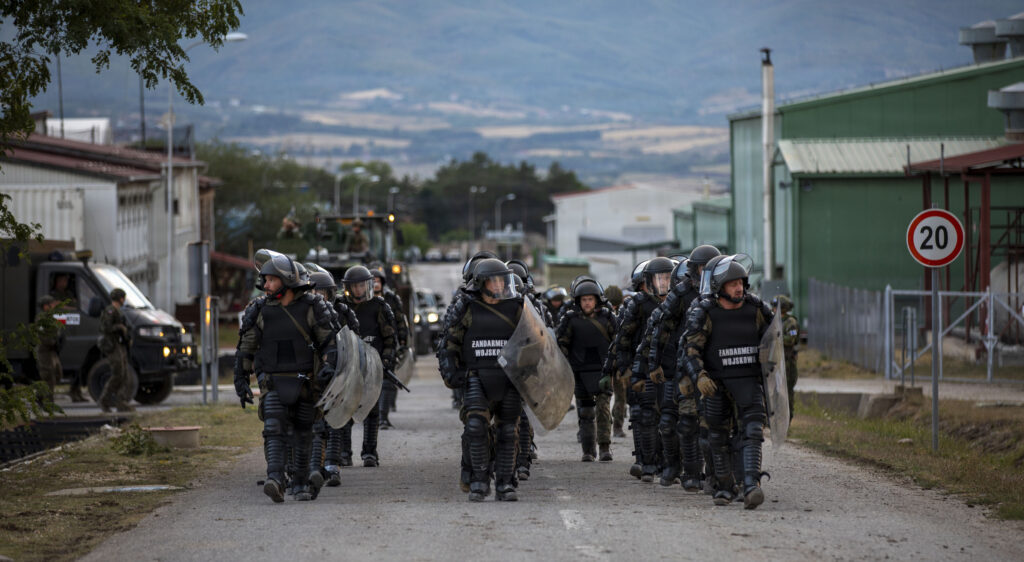
Hard power refers to the use of military force or coercive pressure to influence another state or actor. In defense terms, this includes:
- Military operations
- Airstrikes and naval deployments
- Economic sanctions
- Arms buildups and deterrence measures
The goal of hard power is usually to compel behavior through strength or the threat of consequences.
Defense Example
The deployment of US carrier strike groups in contested regions such as the South China Sea is a classic example of hard power. The presence of advanced warships and combat aircraft signals military capability and deterrence without necessarily firing a shot.
Russia’s use of missile strikes and armored offensives in Ukraine also reflects direct hard power application.
Soft Power
Soft power relies on attraction and influence rather than coercion. Instead of forcing compliance, countries shape perceptions through diplomacy, culture, aid programs, technological partnerships, and international cooperation.
In defense and security contexts, soft power can include:
- Military training partnerships
- Humanitarian assistance missions
- Defense diplomacy
- Peacekeeping operations
Defense Example
Japan’s growing role in regional maritime assistance programs demonstrates soft power in action. By supporting Southeast Asian coast guards with training and patrol vessels, Japan strengthens regional relationships without direct military coercion.
Similarly, humanitarian deployments by military forces after natural disasters often improve international perception and strategic partnerships.
Smart Power
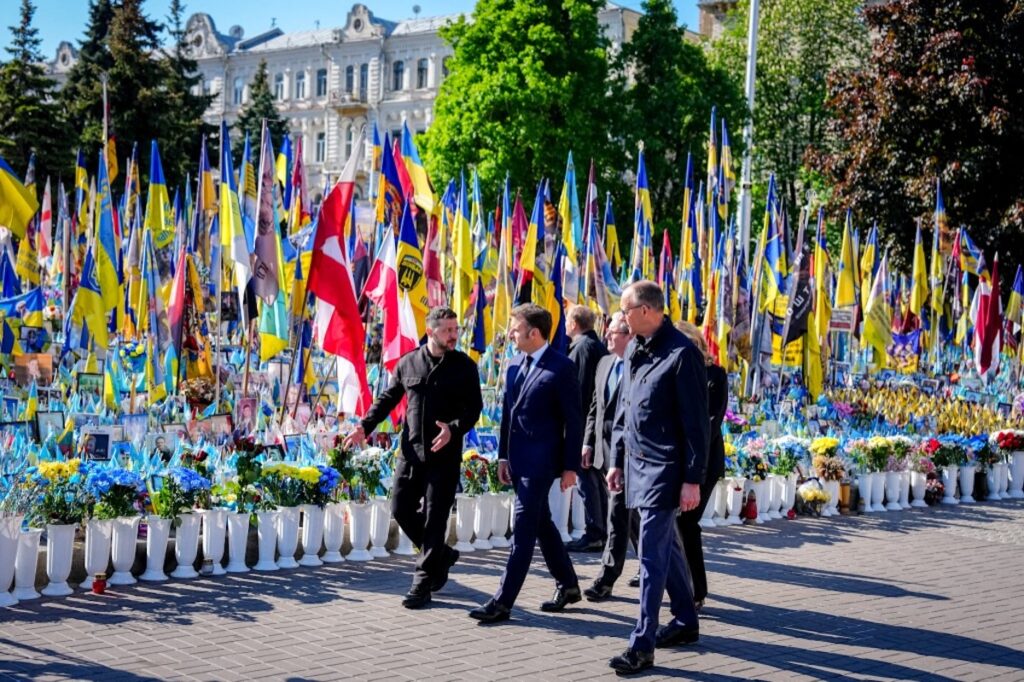
Smart power combines hard and soft power strategies into a coordinated approach. Rather than relying entirely on force or diplomacy alone, states integrate military capability with alliances, economic influence, and strategic communication.
The concept was developed by Harvard political scientist Joseph Nye, who later influenced how the Obama-era State Department framed American foreign policy under Hillary Clinton.
Defense Example
NATO’s approach in Eastern Europe reflects smart power. The alliance maintains troop deployments and military readiness while also coordinating sanctions, intelligence sharing, diplomacy, and multinational defense cooperation.
Another example is how countries use arms exports, joint military exercises, and security agreements to strengthen influence while avoiding direct confrontation.
Why These Concepts Matter
Modern defense strategy increasingly depends on balancing military capability with political influence and international partnerships. Hard power may deter threats, but soft power can build long-term alliances and legitimacy. Smart power attempts to integrate both.
The competition between the United States and China is the clearest current test of all three concepts operating at once.
China has invested heavily in soft power through infrastructure investment and development financing, while simultaneously building hard power through military modernization and island fortification in the South China Sea.
The US response has combined military presence, alliance reinforcement, and economic pressure — smart power in practice, however imperfectly executed. How that balance plays out will define the security architecture of the next several decades.