
The UK has abandoned plans for a mid-life upgrade of the Meteor air-to-air missile, shifting its focus to a successor.
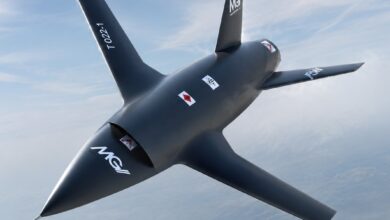
Citing Minister for Defence Readiness and Industry Luke Pollard, UK Defence Journal reported that the replacement will be selected under the Future Air Superiority Effectors (FASE) program, which aims to develop next-generation air-to-air weapons for future crewed and uncrewed aircraft.
“We’re not continuing with the midlife upgrade of the Meteor,” the outlet quoted Pollard as saying.
“We want to invest in the next generation of capabilities faster than the previous generation of capabilities.”
The cancellation comes despite initial activities for the Meteor’s planned mid-life upgrade having been completed in 2025.
Meteor Successor
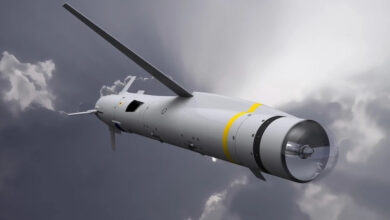
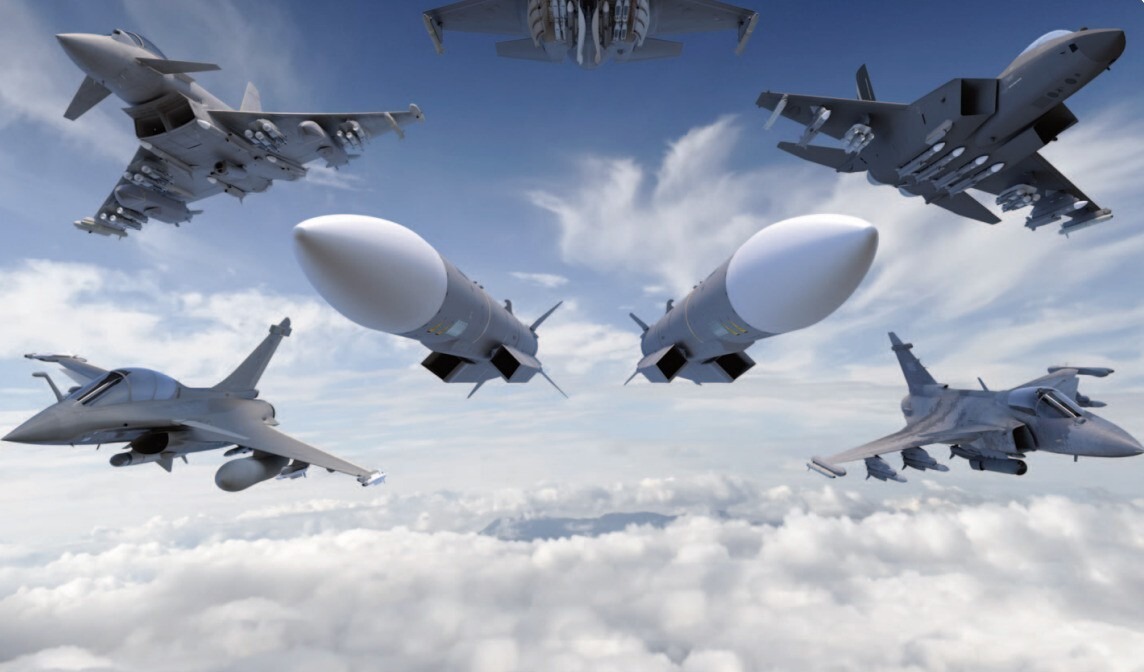
Developed by MBDA, the Meteor is a ramjet-powered beyond-visual-range air-to-air missile that entered service on Royal Air Force Typhoons in 2018 and is slated for integration on the F-35B under the Block 4 upgrade.
Pollard previously told Parliament that the FASE was in its pre-concept phase and was intended to develop next-generation air-to-air effectors for future crewed and uncrewed platforms.
Separately, the UK and France last month agreed to explore a successor to the Meteor through a 12-month study that will assess new missile concepts, enabling technologies, and a development roadmap to address evolving threats.
About the Meteor
The Meteor is powered by a throttleable solid-fuel ramjet that delivers sustained thrust throughout much of its flight, giving it one of the largest no-escape zones among operational air-to-air weapons.
Led by MBDA with partners including Airbus, BAE Systems, and Leonardo, the multinational program was launched in the late 1990s to replace legacy radar-guided missiles that were less effective against fast, maneuvering targets at long range.
Since entering service, the Meteor has been integrated on frontline fighters, including the Rafale, Eurofighter Typhoon, and JAS 39 Gripen.
Rather than introducing major new variants, the program has focused on incremental software and datalink upgrades to enhance performance and networked combat capabilities.
However, advances in electronic countermeasures and the emergence of long-range missiles such as the PL-17 have underscored the need for a successor.