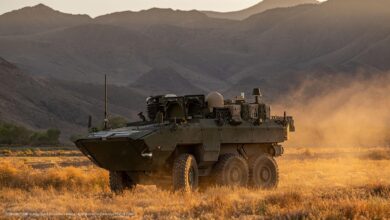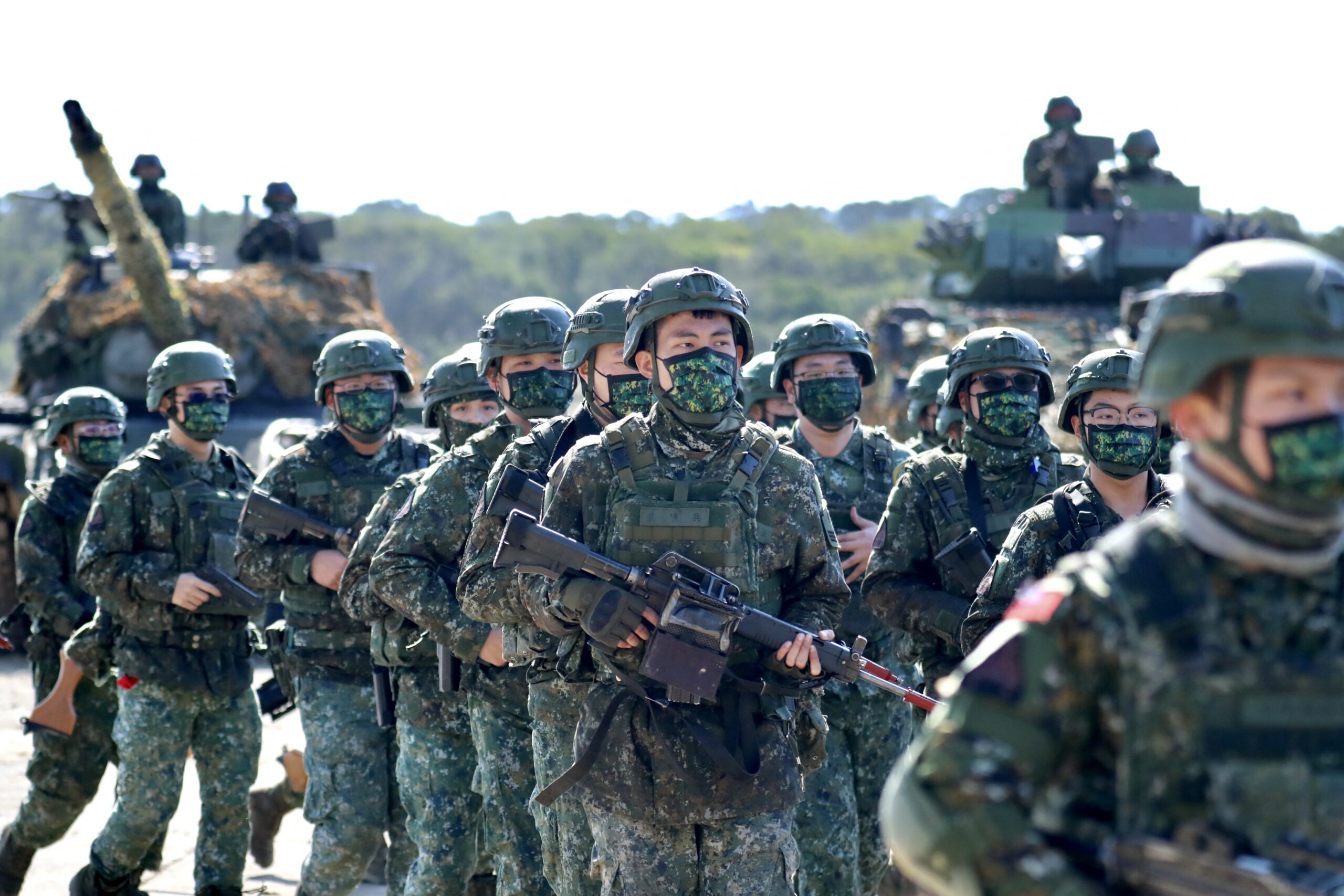
Taiwan’s military is preparing to field a new domestically developed reconnaissance vehicle, with 246 units expected to enter production between 2028 and 2033, Taiwan News reported.
Developed under the Iron Cavalry Project, the platform is intended for army reconnaissance units and will support battlefield surveillance, security patrols, and counterattack missions.
Taipei’s Ministry of National Defense said it is designed to complement, rather than replace, the military’s existing Humvee fleet.
The Armaments Bureau is managing the vehicle’s development and system integration, while several Taiwanese research organizations are contributing specialized technologies.
Industrial Technology Research Institute is developing the vehicle’s mobility systems, including the powertrain, transmission, steering, and central tire inflation system.
The National Chung-Shan Institute of Science and Technology is leading the development of the electro-optical reconnaissance system.
The four-wheel-drive vehicle is powered by a 205-horsepower engine, providing a top speed of 100 kilometers (62 miles) per hour and an operating range of around 500 kilometers (311 miles).
A telescopic mast carrying an electro-optical sensor enables reconnaissance up to 12 kilometers (7.5 miles).
For self-protection and fire support, the vehicle is equipped with a remotely operated 12.7 mm weapon station capable of engaging targets while moving.
Strengthening Wartime Readiness
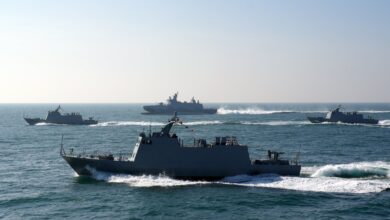
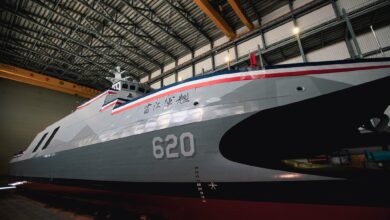
The reconnaissance vehicle is being introduced as Taipei broadens preparations for a potential conflict with China, with increasing attention on sustaining military operations during a prolonged crisis.
Next month’s Han Kuang exercises will reflect that shift by testing whether defense production can continue if key facilities are attacked, including simulations that relocate manufacturing from military arsenals to civilian factories.
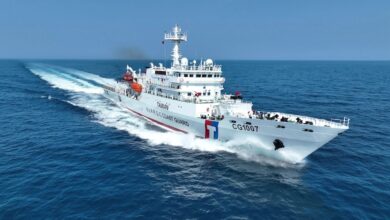
The exercises will further assess Taiwan’s ability to secure critical maritime supply routes and continue operating during temporary mobile network outages affecting both military personnel and civilians.