
The European Union has agreed to allow member states to sell Russian oil and other cargoes confiscated from vessels suspected of circumventing sanctions, Euractiv reported.
As part of the EU’s 21st sanctions package, adopted in response to Russia’s full-scale invasion of Ukraine in 2022, the measure applies to cargoes carried by Russia’s so-called “shadow fleet,” a network of tankers used to evade Western restrictions on oil exports.
While the provision primarily targets crude oil, it could also apply to other cargoes, such as grain, transported on sanctioned vessels.
Once a vessel is boarded and its cargo confiscated, governments now have a legal framework to monetize the goods rather than leaving them unused.
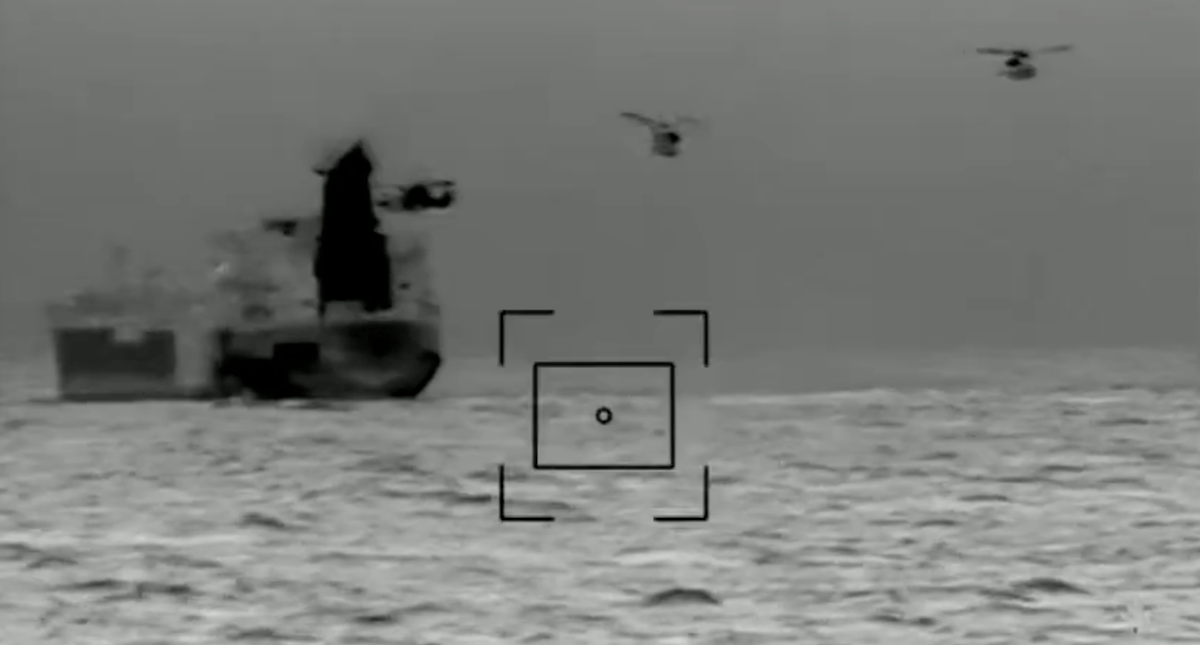
The move follows a series of recent maritime enforcement actions targeting Russia’s shadow fleet.
Last month, French authorities seized a tanker after it loaded cargo in Murmansk. The vessel was estimated to be carrying about 600,000 barrels of oil, valued at approximately $48 million.
Earlier this year, Belgian authorities detained a tanker in the North Sea, allegedly linked to the shadow fleet. It was reportedly transporting about 330,000 barrels of oil valued at roughly $26 million.
Frozen Assets
The EU’s recent measures come amid a broader dispute between Russia and the West over assets frozen or confiscated under sanctions imposed following Moscow’s full-scale invasion of Ukraine.
In May, a Russian arbitration court ordered Belgium-based financial services company Euroclear to pay about $250 billion in damages over the EU’s freezing of Russian sovereign assets.
Euroclear, which holds the majority of Russia’s immobilized foreign reserves in Europe, rejected the ruling, saying the Russian court had no jurisdiction and that it would appeal.
The Kremlin has repeatedly condemned Western measures targeting Moscow’s state assets and companies.
While the assets themselves remain frozen, EU governments continue to debate broader proposals for using immobilized Russian assets to support Kyiv.