
Modern fighter aircraft are no longer judged solely by speed or maneuverability. Increasingly, their effectiveness depends on the weapons they can carry deep into contested airspace without being detected. That challenge helped drive the development of the Joint Strike Missile (JSM).
This guide explores the JSM: its origins, capabilities, operational role, and why the missile is becoming increasingly important in the era of stealth warfare.
At a Glance
| Category: | Details: |
| Type | Air-launched precision strike missile |
| Role | Long-range precision strike missile for engaging maritime and land-based targets in contested environments |
| Manufacturer | Kongsberg Defense & Aerospace |
| Length | 4 meters (13 feet) |
| Weight | 416 kilograms (917 pounds) |
| Speed | High subsonic |
| Operational Range | 275+ kilometers (171 miles) |
| Predecessor | Naval Strike Missile (NSM) |
| Primary Targets | Ships, land targets, and air defense systems |
| Primary Launch Platform | F-35 Lightning II |
| Guidance | GPS, inertial navigation, imaging infrared seeker |
| Flight Profile | Low-observable / sea-skimming |
| Warhead Type | High-explosive fragmentation |
| Key Feature | Internal F-35 weapons bay compatibility |
What Is the Joint Strike Missile?
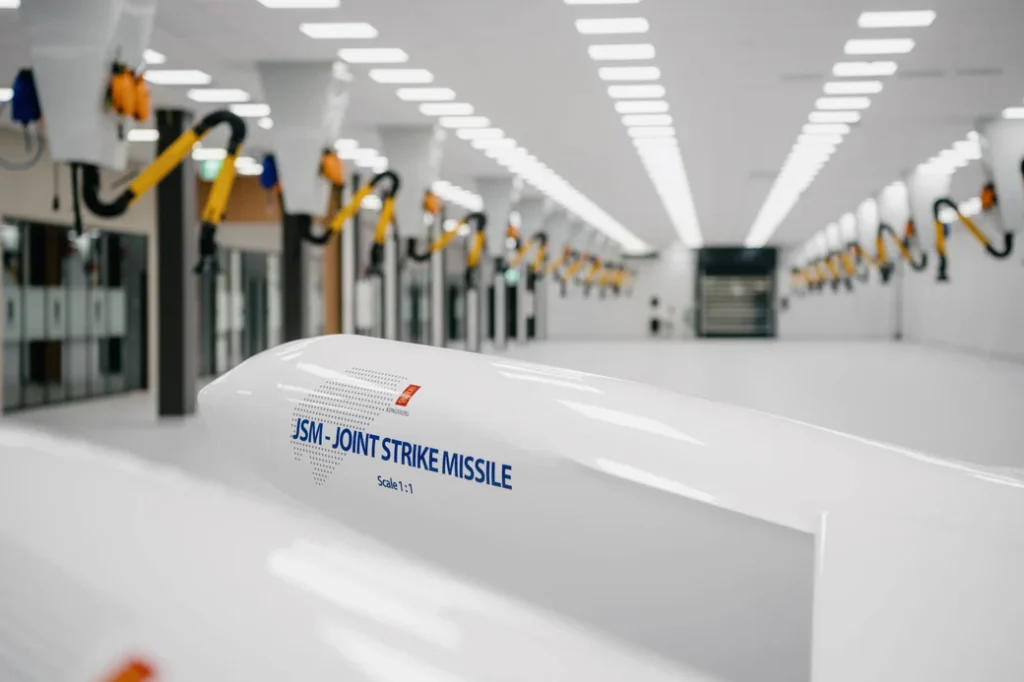
The Joint Strike Missile (JSM) is a long-range, precision-guided cruise missile designed primarily for air-launched strike missions against land and maritime targets.
The missile was developed by Norway’s Kongsberg Defense & Aerospace as an evolution of the NSM, adapting the original anti-ship weapon into a platform compatible with modern fighter aircraft, particularly the F-35.
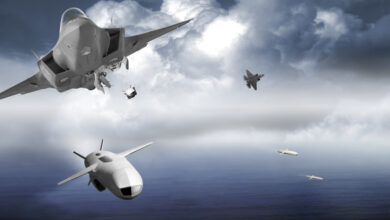
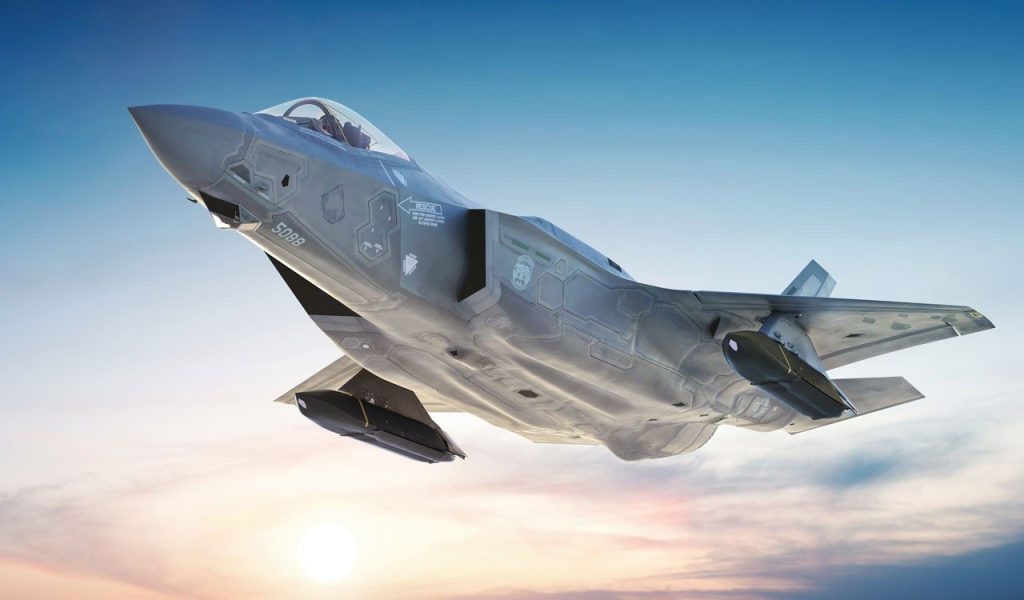
Unlike many larger cruise missiles, the JSM was specifically engineered to fit inside the F-35’s internal weapons bay, preserving the aircraft’s low-observable stealth profile during combat operations.
How the JSM Came to Be
Naval Strike Missile: The Predecessor
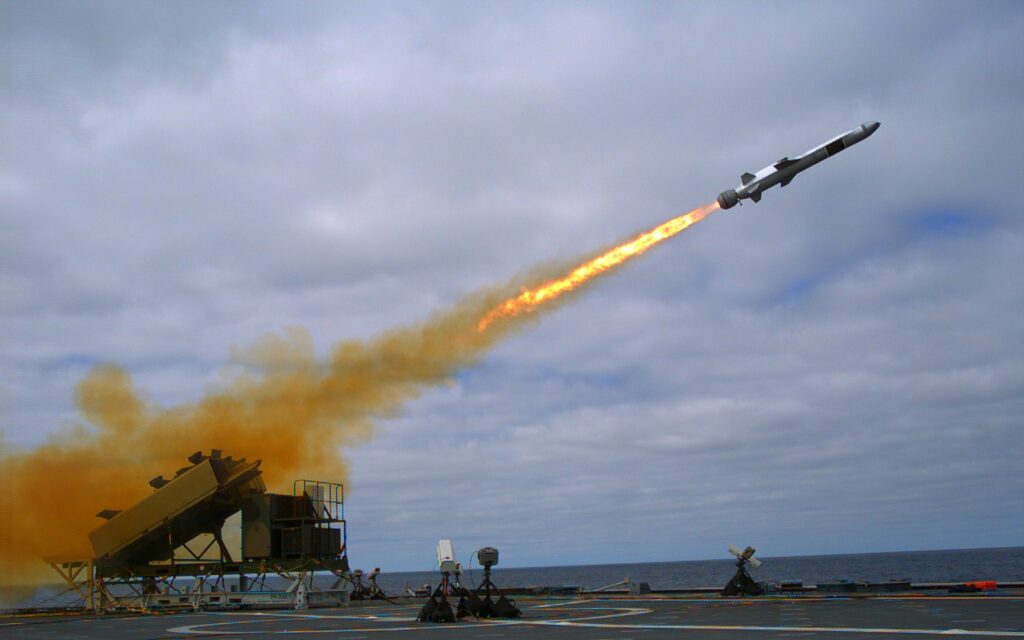
The JSM traces its origins to Norway’s Naval Strike Missile program, which produced a survivable anti-ship missile designed to penetrate advanced naval defenses.
As F-35 procurement expanded among NATO allies, Kongsberg identified a gap: no existing long-range strike missile could fit inside the aircraft’s internal weapons bay without compromising stealth.
Development Timeline
The JSM program formally launched in April 2009, funded by Norway as the primary developer.
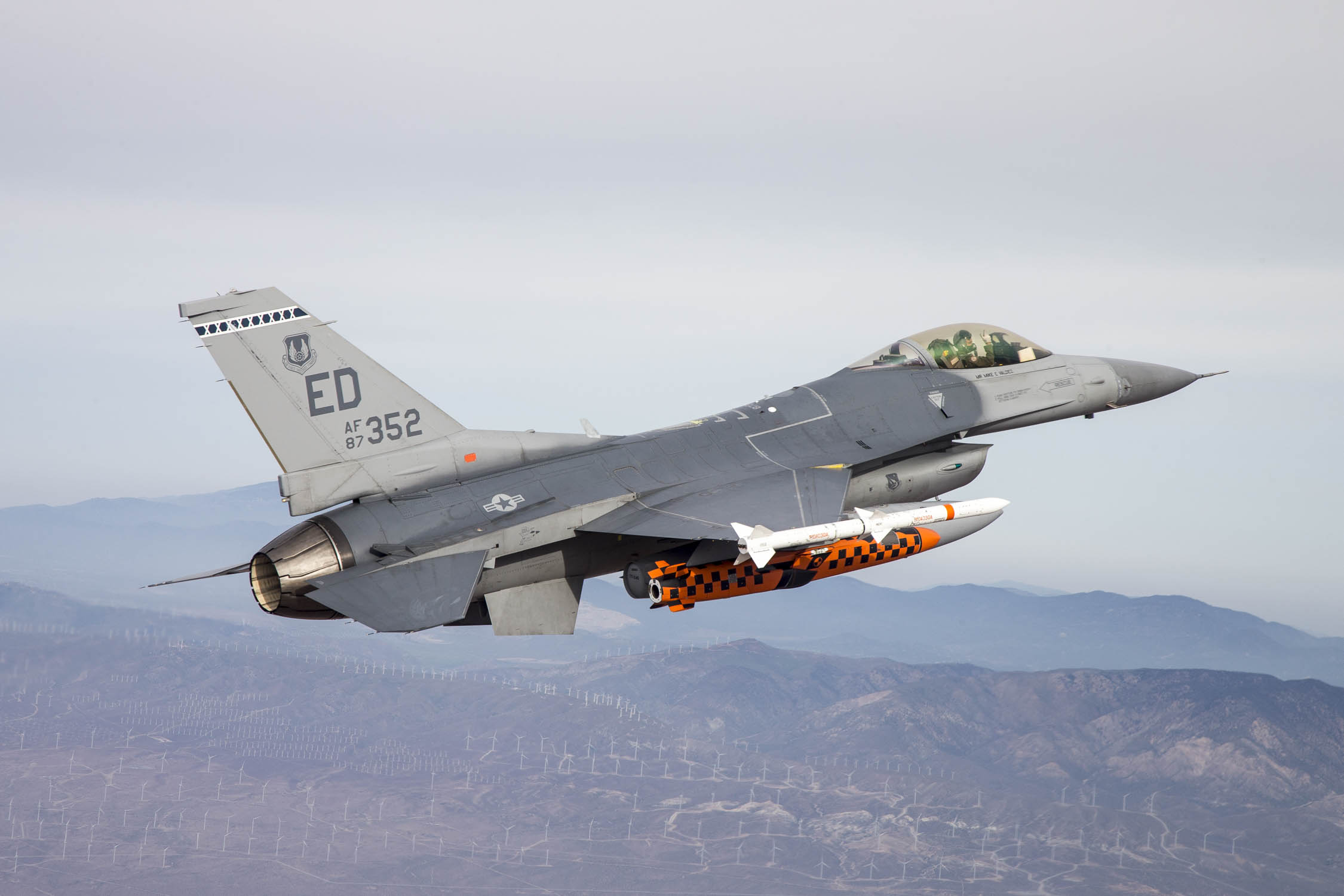
Ground testing began in 2012, followed by captive-carry trials on an F-16 in early 2015 and a successful live-fire test that November.
Missile qualification was completed in 2018, with F-35 integration tied to the aircraft’s Block 4 software upgrade.
The first drop test from an F-35A took place in February 2021. Norway received its first operational JSMs in April 2025, making it the first country to field the weapon.
F-35 Integration
One of the missile’s defining development goals was compatibility with the F-35 Lightning II. Traditional external weapons can compromise stealth characteristics, making internal carriage increasingly important for fifth-generation air combat.
The JSM was therefore designed with compact dimensions, reduced radar signature, and advanced guidance systems suited for contested airspace.
How the JSM Works
Key Features
Stealth-Oriented Design
The missile’s shape and compact dimensions are designed to reduce radar detection and preserve the stealth profile of aircraft carrying it internally.
Long-Range Precision Strike
The JSM combines GPS, inertial navigation, terrain-reference systems, and an imaging infrared seeker to engage targets with high accuracy at long range.
Multi-Target Flexibility
Unlike missiles built solely for anti-ship warfare, the JSM can engage both maritime and land-based targets, including defended infrastructure and high-value military assets.
Strengths
- F-35 compatibility: The missile’s ability to fit inside the F-35’s weapons bay gives operators a stealth-preserving strike capability unavailable with many larger external weapons.
- Survivability: Low-observable shaping and sea-skimming flight profiles improve survivability against modern air defense systems.
- Advanced targeting: The imaging infrared seeker improves target identification and resistance to electronic countermeasures in complex combat environments.
Limitations
- Limited payload size: Compared to larger cruise missiles, the JSM carries a relatively smaller warhead.
- High procurement cost: Advanced guidance systems and stealth-focused engineering increase production and acquisition costs.
- Dependence on air superiority: Although survivable, the missile is still typically deployed within broader airpower operations requiring supporting aircraft and networked targeting.
Global Use and Strategic Importance
Norway remains the lead operator and development partner for the missile, but the JSM has attracted growing attention among F-35 operators seeking long-range strike capability, including Germany, Belgium, and Japan.
Countries, including Poland, Australia, and the US, have shown interest in integrating or procuring the missile for Indo-Pacific and maritime defense operations.
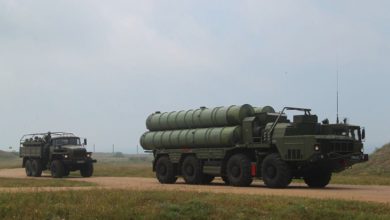
The weapon is particularly relevant in scenarios involving anti-access/area-denial environments, where survivable long-range strike capability is increasingly important.
Future Outlook
As militaries place greater emphasis on stand-off precision strike and survivability in contested airspace, the JSM is likely to play a larger role in NATO and Indo-Pacific airpower planning.
Future developments may focus on expanded aircraft integration, enhanced networking capability, and improved coordination with other long-range strike systems.
With stealth aircraft becoming central to modern combat operations, missiles specifically designed to operate within those platforms are expected to become increasingly important — and the JSM sits directly within that shift.