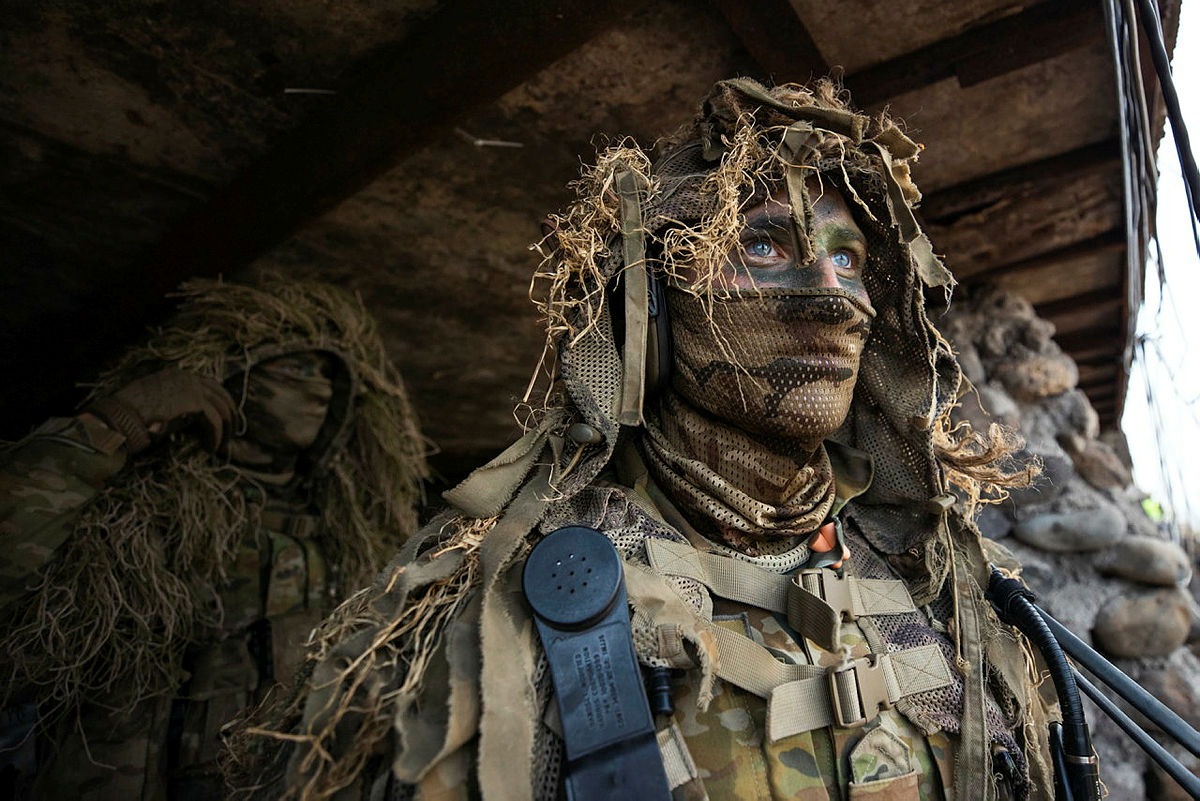
Australia’s military has launched a four-year study to determine whether repeated exposure to weapon blasts causes previously undetected brain injuries in service members, The Sydney Morning Herald reported.
Under the initiative, up to 400 Australian Defence Force personnel will participate in live-fire weapons training.
Helmet-mounted sensors will record blast pressure, while blood samples and neurological assessments collected within 24 hours of exposure will be used to identify biomarkers associated with traumatic brain injury.
Researchers will compare biological changes with blast pressure measurements to determine whether repeated low-level blasts, commonly experienced during military training and operations, can cause cumulative brain damage even when no immediate symptoms appear.
Findings from the study are expected to help establish safe exposure thresholds, improve medical screening, and identify when personnel should be removed from further blast exposure to reduce long-term health risks.
Although the research will initially focus on army personnel, officials said the program could later be expanded to include members of the Royal Australian Navy and Royal Australian Air Force.
Improving Brain Injury Care
The initiative follows recommendations from Australia’s Royal Commission into Defence and Veteran Suicide, which called for a dedicated program to improve understanding of blast-related brain injuries.
Its final report identified traumatic brain injury as a risk factor for suicide and recommended strengthening diagnosis, monitoring, and treatment for serving and former personnel.
It also found that some current and former service members experienced barriers to accessing care and compensation for brain injuries.