
The US National Nuclear Security Administration (NNSA) has delivered its fifth next-generation Global Burst Detector (GBD) payload to the US Space Force.
Part of a space-based monitoring system, the payload is designed to detect above-ground nuclear detonations worldwide.
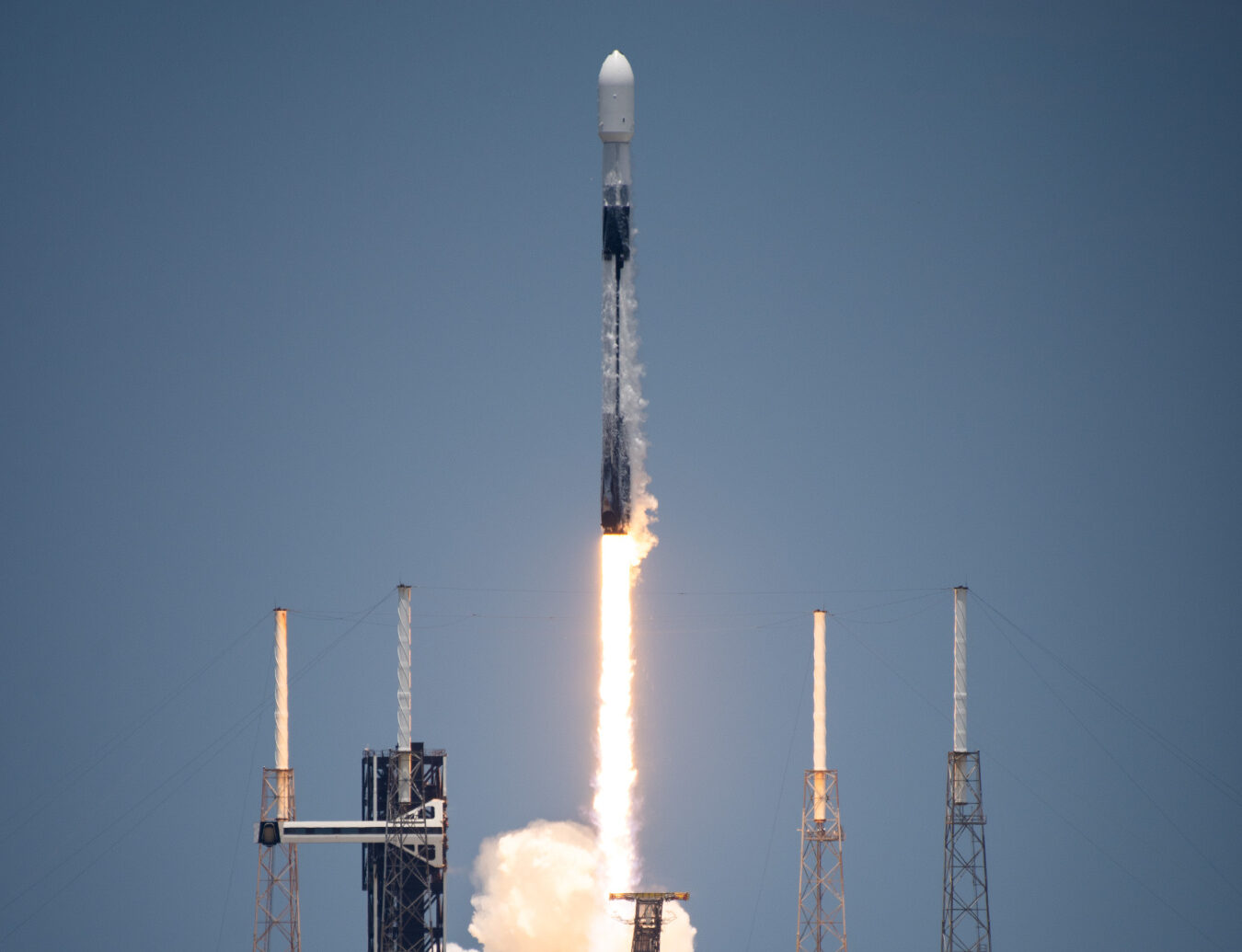
The sensor will be integrated onto a future Global Positioning System (GPS) satellite, where it will operate as part of the US Nuclear Detonation Detection System.
Carried aboard GPS satellites orbiting about 20,200 kilometers (12,550 miles) above Earth, the payload continuously monitors the planet for the unique signatures of nuclear explosions.
“A strong nuclear deterrence posture is critical to shielding America against attack, and the delivery of this capability provides the nation with the capability to detect nuclear detonations under all conditions,” said Matthew Napoli, NNSA’s Deputy Administrator for Defense Nuclear Nonproliferation.
Nuclear Detection From Space
The GBD program traces its origins to the early 1960s and has supported US nuclear explosion monitoring for more than 60 years.
Each payload combines optical, electromagnetic pulse, X-ray, and charged-particle sensors to detect the signatures of a nuclear detonation.
Sandia National Laboratories is responsible for the optical sensing and payload management systems, while Los Alamos National Laboratory develops the detection technologies.
Before delivery, each payload undergoes engineering reviews, manufacturing, environmental testing, and spaceflight certification.
Before the payload is integrated onto a US Space Force GPS satellite, Lawrence Livermore National Laboratory and The Aerospace Corporation independently verify its expected performance using models and simulations.