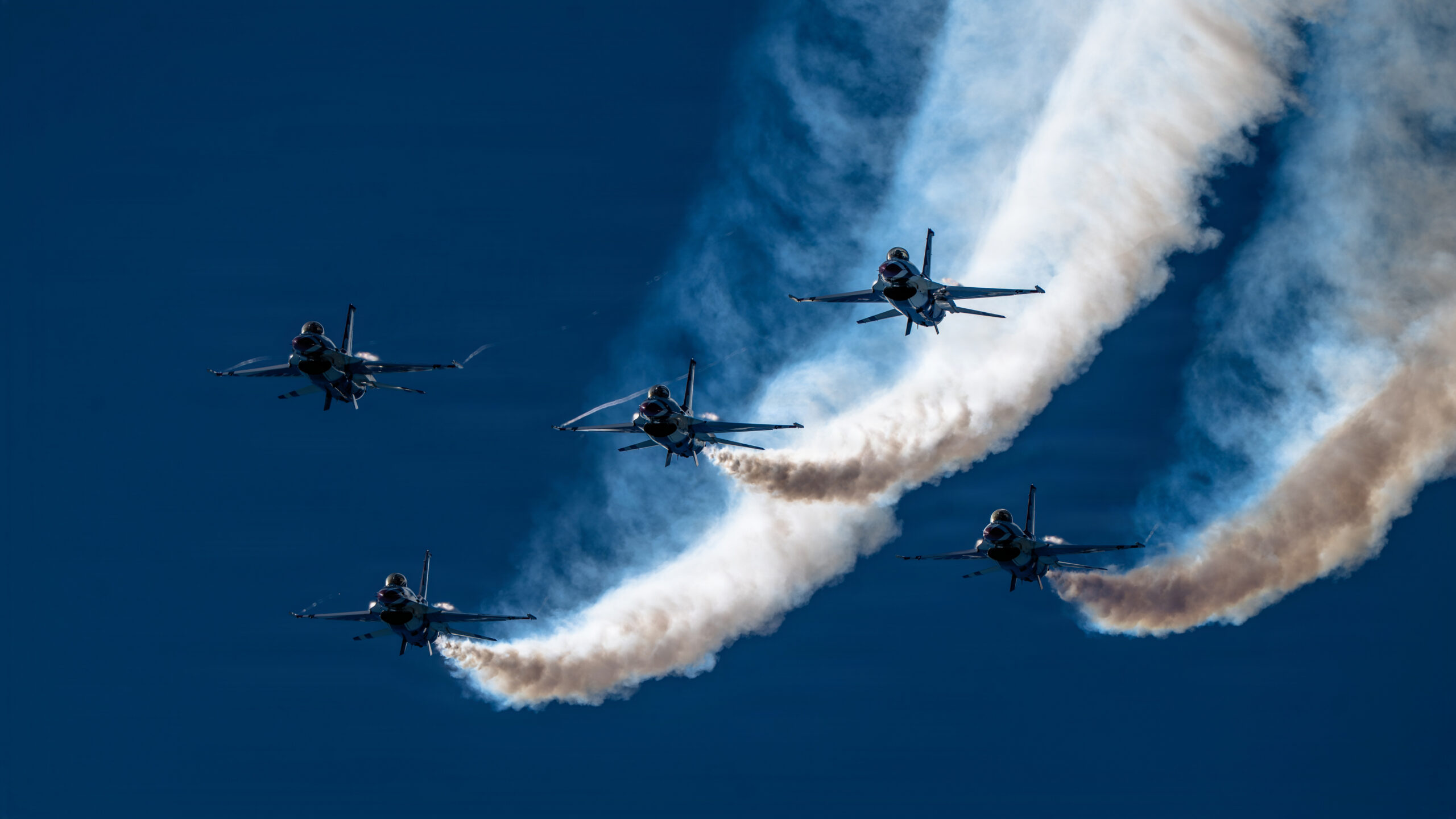
In the early 1970s, a small group of Pentagon reformers argued that American fighter design had gone wrong: too big, too complex, too expensive.
The F-16 Fighting Falcon was their answer: a lightweight, agile jet built around the pilot, not the procurement sheet. Fifty years later, it’s still flying.
Discover how the F-16 shaped discussions around maneuver warfare, cost-effective airpower, and the evolution of fourth-generation fighters.
At a Glance
| Category: | Details: |
| Type | Single-engine multirole fighter aircraft |
| Role | Flexible platform used for strike missions, close air support, suppression of enemy air defenses, interception, and reconnaissance |
| Manufacturer | Lockheed Martin (originally developed by General Dynamics) |
| Crew | F-16C: 1 F-16D: 2 |
| Powerplant | 1 x Pratt & Whitney F100 or General Electric F110 turbofan engine |
| Thrust | Approximately 27,000 pounds (12,250 kilograms) |
| Maximum Speed | Mach 2 (2,470 kilometers/1,535 miles per hour) |
| Combat Radius | 500+ miles (805+ kilometers) depending on mission profile |
| Ferry Range | 2,000+ miles (3,220+ kilometers) |
| Service Ceiling | Above 50,000 feet (15,240 meters) |
| Length | 49.5 feet (15.1 meters) |
| Wingspan | 32.8 feet (9.9 meters) |
| Height | 16 feet (4.9 meters) |
| Maximum Takeoff Weight | Approximately 37,500 pounds (17,010 kilograms) |
| Internal Fuel Capacity | 7,000 pounds (3,175 kilograms) |
| Armament | 20mm M61A1 cannon, air-to-air missiles, precision-guided bombs, electronic warfare pods |
| Avionics | Digital fly-by-wire controls, GPS/inertial navigation, radar systems, electronic countermeasures |
| Major Variants | F-16A/B, F-16C/D, F-16E/F, F-16V |
| Cost | Acquisition Unit Cost: $162.4 million (as of December 2023) Average Procurement Unit Cost: $132.7 million (CY2012 dollars) |
What Is the F-16 Fighting Falcon?
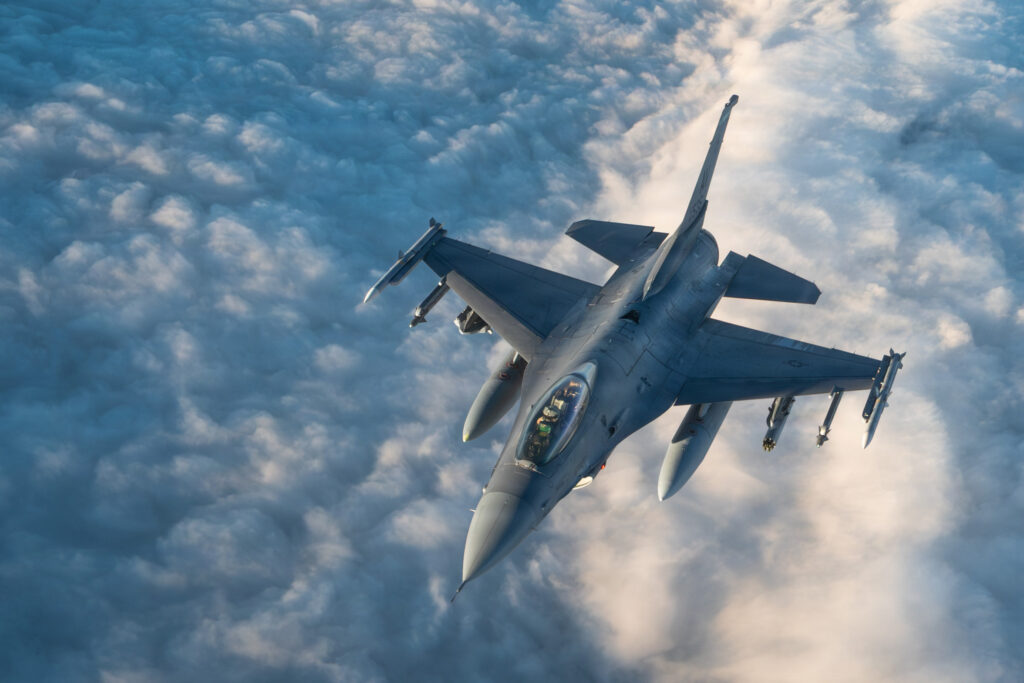
The F-16 Fighting Falcon is a single-engine, multirole fighter aircraft designed for air superiority and ground attack missions. It is known for its agility, advanced avionics, and adaptability across a wide range of combat roles.
It has become one of the most widely operated fighter jets in the world, serving as a backbone platform for numerous air forces.
How It Came to Be
First flown in the 1970s, the F-16 Fighting Falcon was developed through the US Air Force’s Lightweight Fighter program.
General Dynamics, later succeeded by Lockheed Martin, pursued a design that emphasized adaptability and pilot responsiveness within a lighter and more economical platform.
The aircraft evolved from being a lightweight daytime fighter into a widely exported multirole combat platform used for air superiority, strike missions, and reconnaissance.
Key milestones include:
- 1974: The YF-16 prototype wins the US Air Force Lightweight Fighter competition
- 1978: The F-16 officially enters service
- 1980s: The aircraft sees widespread export adoption among NATO and allied air forces
- 1991: F-16s are extensively used during the Gulf War, reinforcing the aircraft’s combat reputation
- 2000s onward: Successive upgrades introduce advanced radar systems, precision-strike capabilities, and modern digital avionics, extending the platform’s operational lifespan
The F-16 Under Construction
Over time, the F-16 has evolved into multiple configurations:
- F-16A/B: early production and training variants
- F-16C/D: upgraded avionics and combat capability
- F-16E/F (Block 60): advanced export version with improved sensors
- F-16V (Viper): modernized variant with AESA radar and upgraded systems
How It Works
F-16 Fighting Falcon’s Key Features
Aerodynamic Design and Flight Control
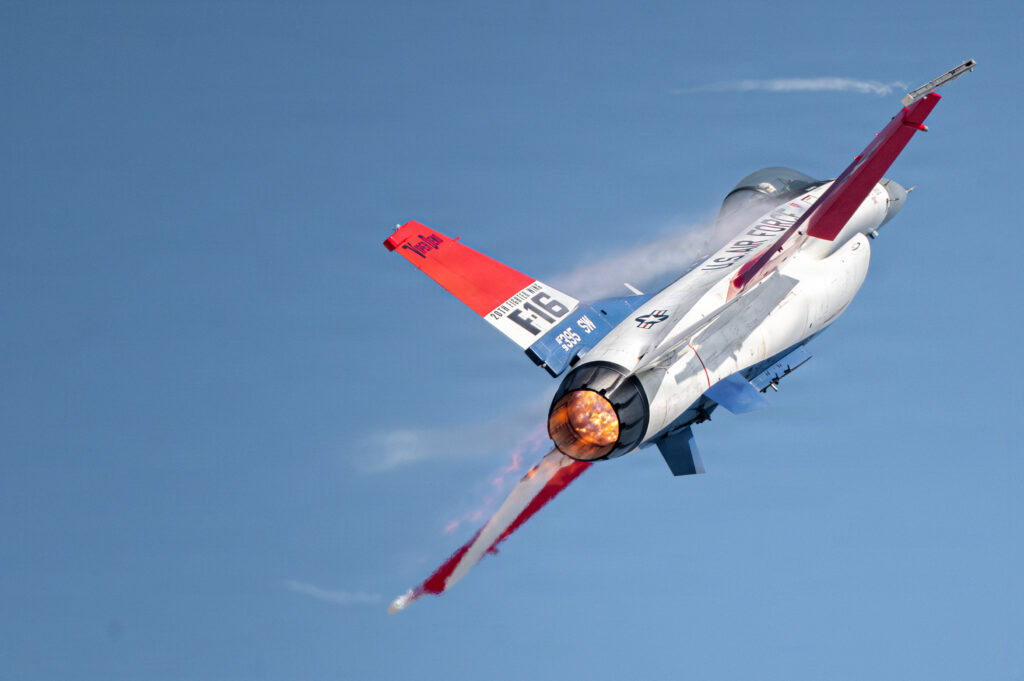
The F-16 is intentionally aerodynamically unstable. Without constant correction, it would depart controlled flight on its own. That instability is the point. It makes the aircraft extraordinarily responsive, able to change direction faster than a stable design ever could.
A human pilot couldn’t manage the corrections fast enough, so a fly-by-wire system handles them automatically, translating stick inputs into precise control surface movements many times per second.
The pilot gets the agility; the computer handles the physics.
Avionics and Combat Systems
The aircraft integrates digital avionics, radar systems, and targeting pods that allow it to detect, track, and engage targets across air and ground environments.
Modern upgrades include the AESA radar and enhanced electronic warfare suites, known as the Viper Shield.
Weapons and Mission Flexibility
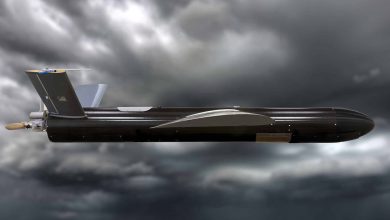
The F-16 supports a wide range of weapons, including air-to-air missiles, precision-guided bombs, and external fuel tanks. Units in the US can even expect integration of long-range missiles such as the LRASM.
This flexibility allows it to shift between air superiority and strike missions with minimal reconfiguration.
Strengths
- High maneuverability and agility
- Multirole flexibility across mission types
- Large global support and upgrade ecosystem
Limitations
- Single-engine design limits redundancy
- Smaller payload capacity than larger fighters
- Older airframes require ongoing modernization
Global Use and Operational Role
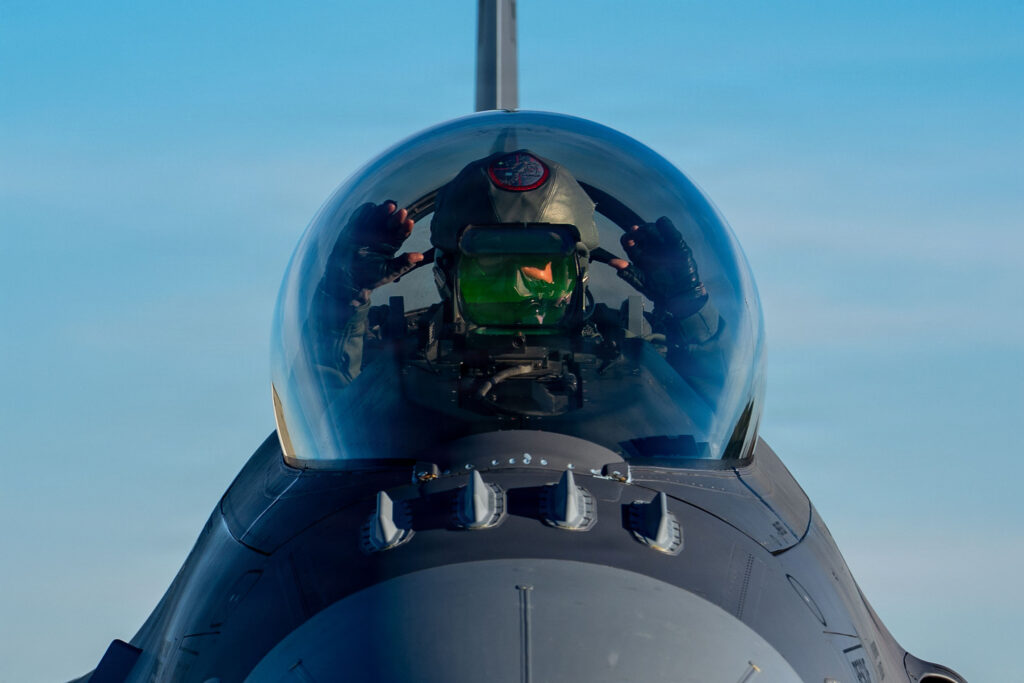
With more than 4,600 aircraft built and active operators across more than 25 countries, the F-16 is one of the most widely deployed combat aircraft in history.
From NATO’s eastern flank to South America and Southeast Asia, it has become the default backbone fighter for allied air forces that need a capable, supportable, and upgradeable platform without the cost of fifth-generation procurement.
Its long service history has placed it in a wide range of combat environments, coalition campaigns, and multinational air operations across several decades.
Notable operational deployments include:
- 1991 Gulf War: US Air Force F-16s carried out large numbers of strike and suppression missions against Iraqi military targets.
- NATO operations in the Balkans (1990s): F-16s were used in air patrols, precision strikes, and enforcement missions during the conflicts in Bosnia and Kosovo.
- Operations against ISIS (2010s): Multiple allied air forces deployed F-16s in strike operations targeting ISIS positions in Iraq and Syria.
Future Outlook
The F-16 continues to evolve through structural upgrades and avionics modernization programs like the F-16V standard. These upgrades extend its service life and maintain its competitiveness alongside newer fifth-generation platforms.
While newer fighters are entering service globally, the F-16 is expected to remain in active use for years due to its versatility, upgradeability, and widespread operational base.