
NATO has launched two new initiatives aimed at helping defense companies access alliance opportunities more easily while expanding industrial production across member states.
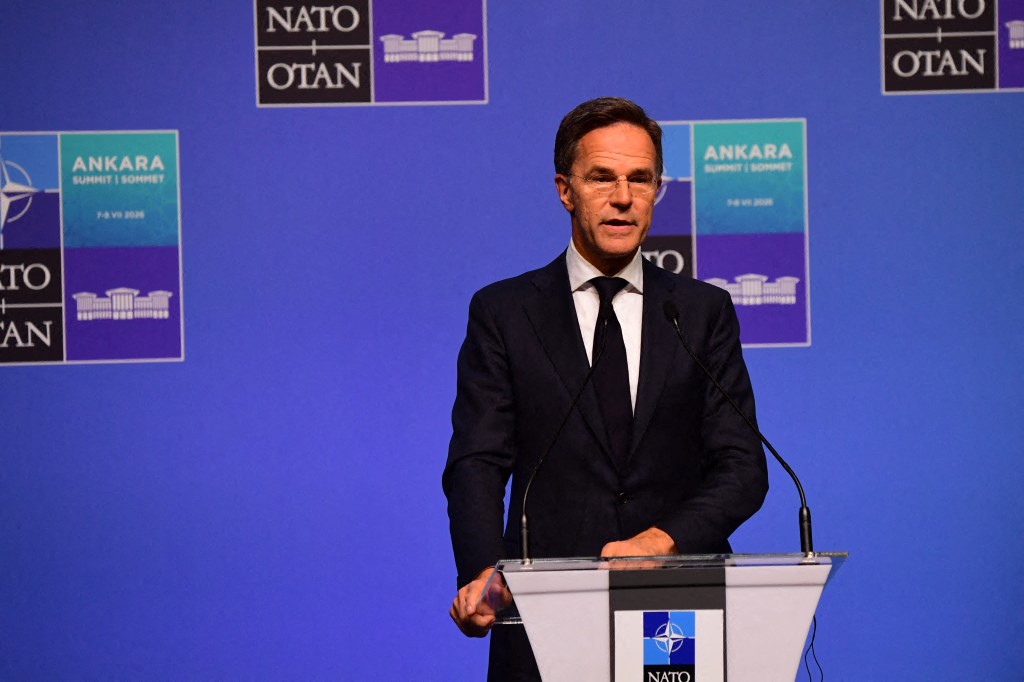
Secretary General Mark Rutte announced the programs during the NATO Summit Defence Industry Forum in Ankara, saying they are intended to accelerate transatlantic defense industrial cooperation and help deliver capabilities more quickly.
One of them, the NATO Front Door for Industry, will serve as a single entry point for companies seeking information on procurement opportunities, innovation programs, and engagement activities.
The platform is also expected to publish the alliance’s first consolidated unclassified demand signal, outlining the alliance’s future capability priorities and innovation needs.
NATO also introduced the NATO Engine, a framework designed to connect available manufacturing capacity across allied nations and encourage cross-border cooperation among European, Canadian, and US defense companies.
Rutte said these moves come as “no one nation has the industrial capacity required to meet the large and growing demand,” particularly in areas such as air defense and long-range strike systems.
NATO Expands Cooperation
The new initiatives build on several major NATO efforts over the past year to strengthen the alliance’s industrial base and military capabilities.
In June, the alliance and Ukraine launched the 250,000-euro ($283,585) Persistent Airfield Denial challenge to develop technologies capable of disrupting enemy airfields, targeting aircraft, runways, fuel supplies, ammunition stockpiles, and ground support infrastructure.
Earlier, in February, NATO launched Arctic Sentry, a multi-domain mission to strengthen security and coordination in the Arctic by building on activities already conducted by member states.
The effort follows the December 2025 selection of 150 companies from 24 NATO countries for the 2026 DIANA Challenge Program, which provides funding, accelerator support, and access to the alliance’s network of test centers to develop technologies across 10 defense priority areas.