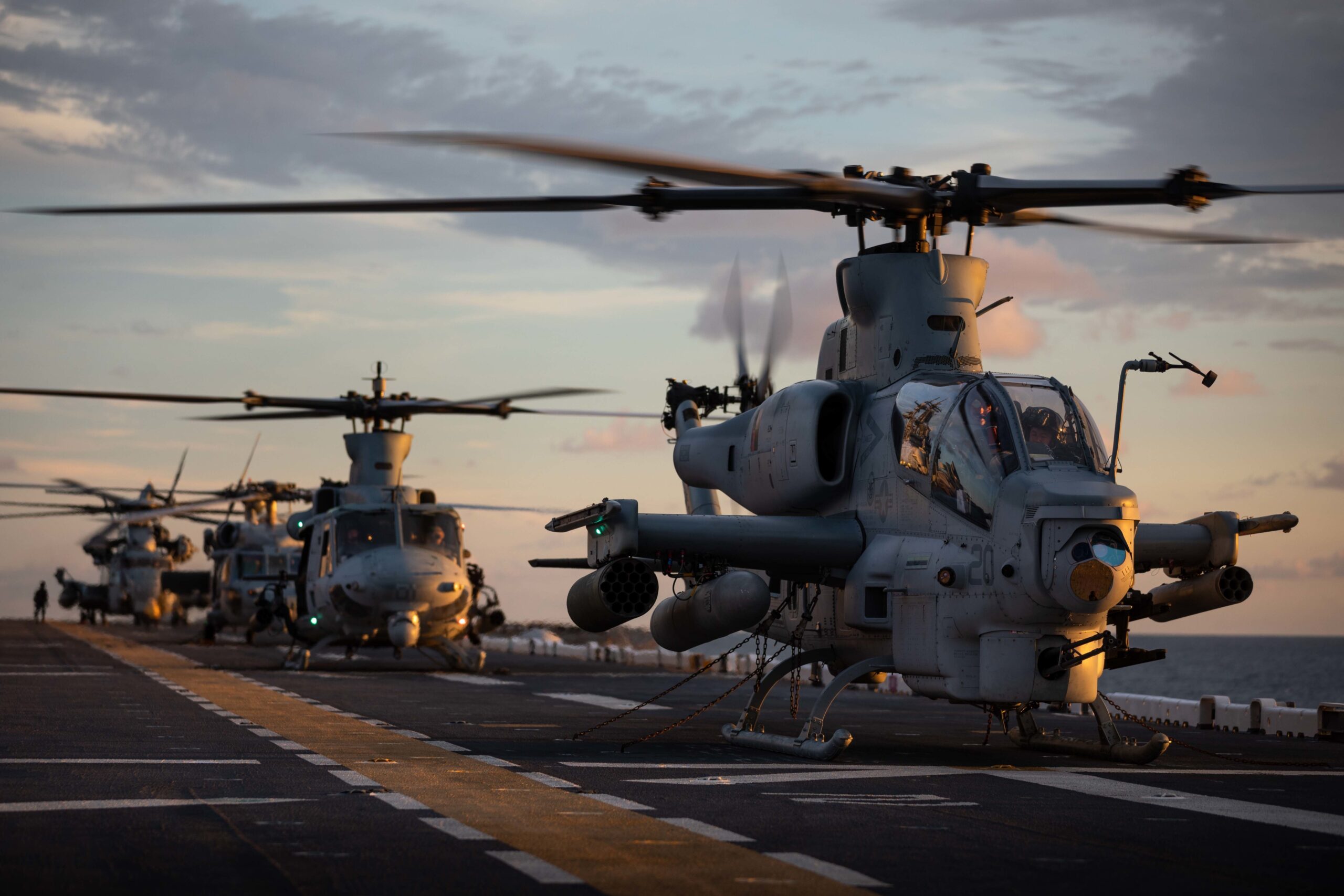
A military flight line is quiet only for a moment. Once the rotors start turning, the calm disappears beneath the force of a helicopter preparing to move US Marines, equipment, and mission support into the field.
At the center of that movement is the Bell UH-1Y Venom, a modern utility helicopter shaped by decades of combat aviation experience.
The Venom was built around versatility. As a key part of the US Marine Corps’ expeditionary doctrine, it integrates transport, coordination, logistics, and fire support into a single battlefield platform.
This guide explores the UH-1Y Venom’s origins, design, operational role, capabilities, and future outlook.
At a Glance
| Category: | Details: |
| Type | Medium utility helicopter |
| Role | Transport, MEDEVAC, command and control, escort support |
| Manufacturer | Bell Textron |
| Operator | US Marine Corps |
| Crew | 2 to 4 (pilots + crew chiefs/gunners) |
| Engine | 2 × General Electric T700-GE-401C turboshaft |
| Rotor System | Four-bladed composite rotor |
| Maximum Speed | 170+ knots (315 kilometers/196 miles per hour) |
| Range | ~250 nautical miles (288 miles/463 kilometers) |
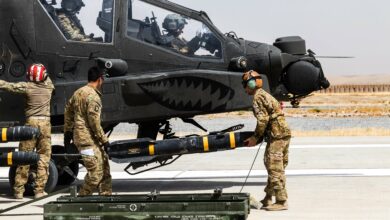
| Armament | 7.62mm GAU-17/A miniguns or M240D machine guns, .50 cal GAU-21 machine guns, Hydra 70/APKWS 70mm rockets, optional AGM-114 Hellfire missiles |
| Inventory | 160 |
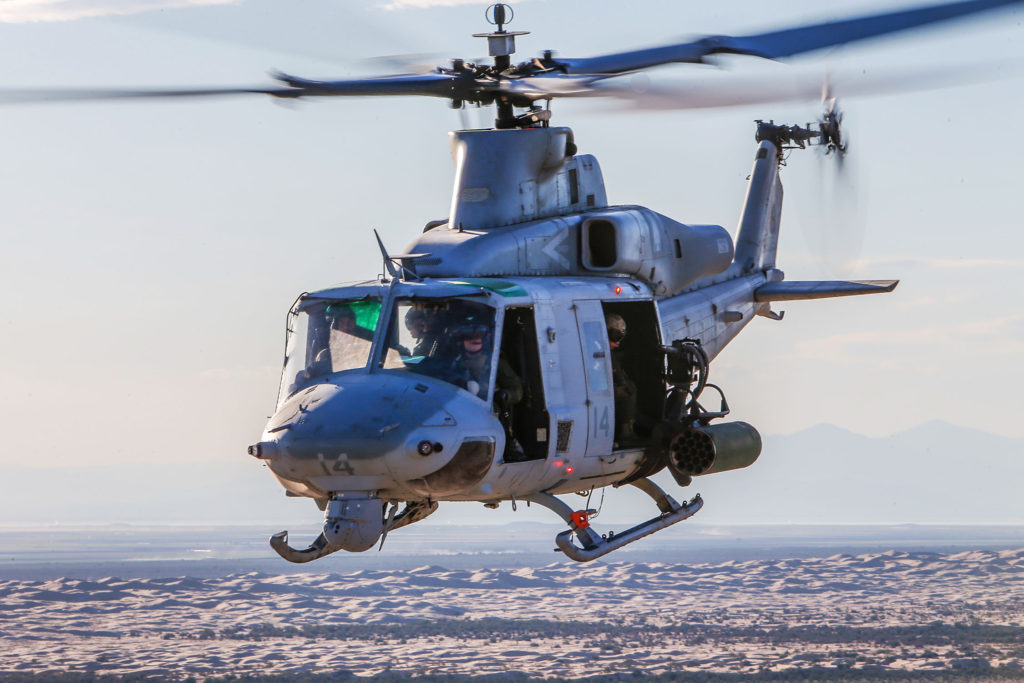
What Is the UH-1Y Venom?
The UH-1Y Venom is a twin-engine utility helicopter built to keep Marine operations moving under almost any battlefield condition.
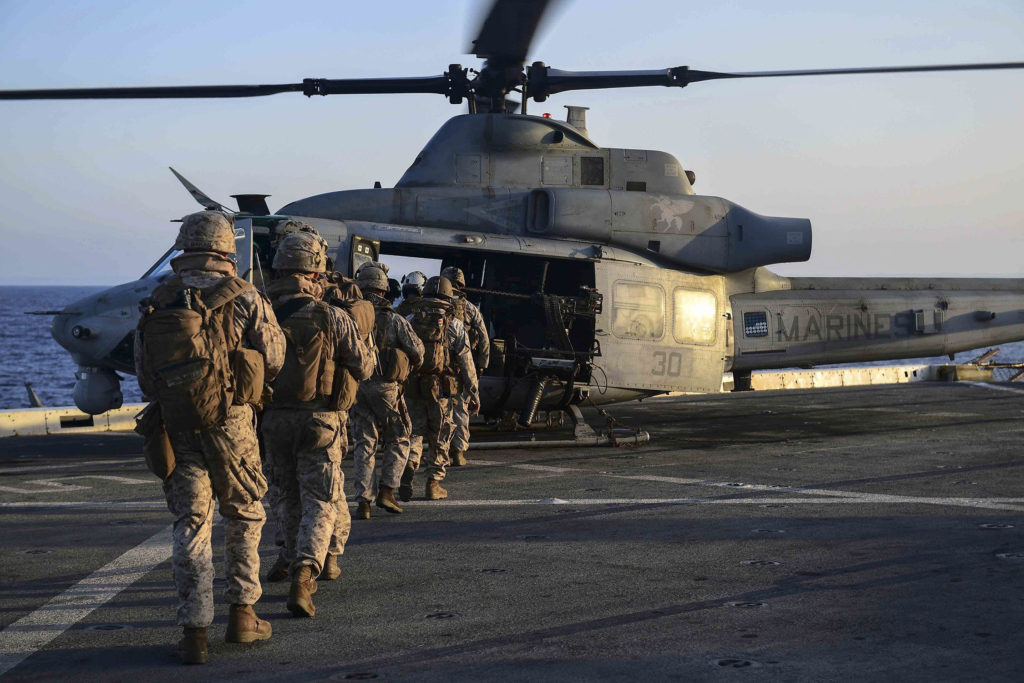
Whether transporting troops into contested zones, evacuating wounded personnel, coordinating battlefield communications, or escorting assault forces with onboard weapons, the aircraft is designed to shift quickly between mission sets without changing platforms.
Origin and Development
Developed under Bell Textron’s H-1 modernization program, the Venom represents a major evolution of the iconic Huey family. While the original Huey became legendary during Vietnam-era operations, the modern battlespace demanded greater lift, survivability, and digital integration.
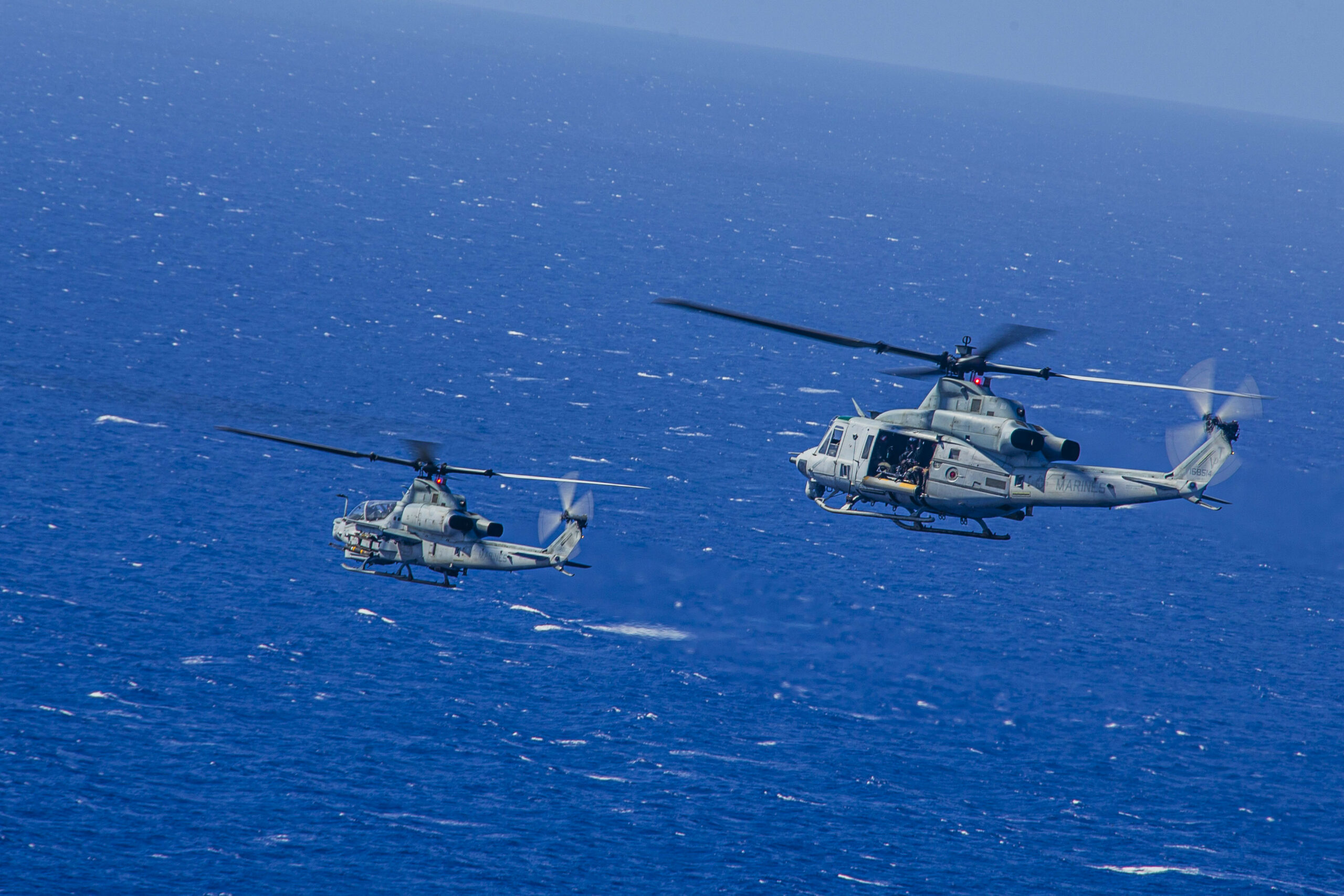
The initiative transformed aging UH-1 and AH-1 helicopters into two closely linked combat aircraft: the UH-1Y Venom and the AH-1Z Viper.
Sharing many components, avionics, and support systems, the pair was built to operate side-by-side as an integrated expeditionary aviation team for the US Marine Corps. This redesign was not just an upgrade, but a structural modernization aimed at improving speed, payload, and maintainability while reducing lifecycle costs.
How the UH-1Y Venom Works
Engine and Lift Performance
The Venom uses twin T700 engines that provide improved power margins over legacy Huey models. This allows it to operate in hot climates, high-altitude zones, and shipboard environments with greater stability and payload flexibility.
Digital Avionics and Mission Systems
A fully integrated glass cockpit replaces analog systems, giving pilots real-time situational awareness, navigation data, and mission coordination tools. This allows the aircraft to operate seamlessly in networked Marine Air-Ground Task Force (MAGTF) environments.
Multi-Mission Flexibility
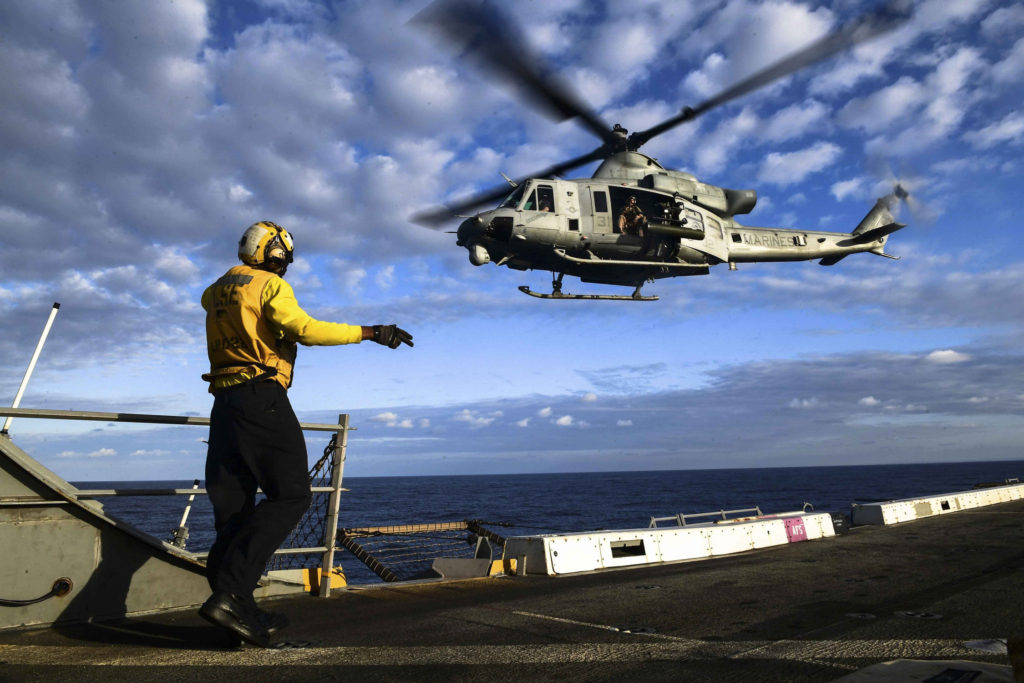
Unlike dedicated attack helicopters, the Venom is built for adaptability. It can shift between troop transport, casualty evacuation, resupply missions, and armed escort roles depending on mission requirements.
Strengths
- Exceptional mission flexibility: The UH-1Y Venom can rapidly switch roles without major reconfiguration, making it a force multiplier in expeditionary operations.
- High commonality with AH-1Z: Shared components with the AH-1Z Viper reduce maintenance complexity and improve logistics efficiency across Marine aviation units.
- Improved survivability and performance: Upgraded engines, rotor system, and avionics significantly enhance reliability and flight performance compared to earlier UH-1 variants.
Limitations
- Not a dedicated attack platform: While capable of limited armament support, it cannot match dedicated attack helicopters in firepower or targeting systems.
- Payload trade-offs in high-heat environments: Like most medium helicopters, performance can degrade under extreme temperature or altitude conditions when fully loaded.
- Dependency on support networks: Its effectiveness increases significantly when integrated into full MAGTF aviation and logistics structures.
Global Use and Operational Role
The UH-1Y Venom serves as one of the US Marine Corps’ primary expeditionary helicopters, operating from amphibious assault ships, forward bases, and remote environments where rapid mobility and flexibility are essential.
However, it’s been purchased, used, and deployed in many countries worldwide:
- Afghanistan: UH-1Y helicopters were used extensively during operations in Afghanistan, particularly in high-altitude and austere environments where rapid insertion and extraction capabilities were critical.
- Ukraine: In October 2025, Ukraine signed a letter of intent with Bell Textron to acquire the AH-1Z and UH-1Y. Bell has since established a local subsidiary, Bell Textron Ukraine, to support future assembly, maintenance, and crew training.
- Czech Republic: It is the first foreign operator of the UH-1Y, having purchased the helicopter as part of a broader modernization effort to replace Soviet-era platforms.
- Indo-Pacific: UH-1Ys are regularly deployed aboard Marine Expeditionary Units operating in the Pacific, supporting rapid-response operations, island-based exercises, and maritime security missions.
Future Outlook
The UH-1Y Venom is expected to remain in service well into the coming decades due to its shared architecture with the AH-1Z and its central role in Marine expeditionary doctrine.
Future upgrades are likely to focus on improved digital networking, enhanced survivability systems, and better integration with unmanned aerial systems for reconnaissance and coordination.
Rather than being replaced outright in the near term, the Venom is evolving into a more connected and data-enabled platform — one that prioritizes interoperability over specialization.
In modern expeditionary warfare, where speed of response often defines mission success, the UH-1Y Venom remains one of the most adaptable tools in the Marine Corps’ aviation arsenal.