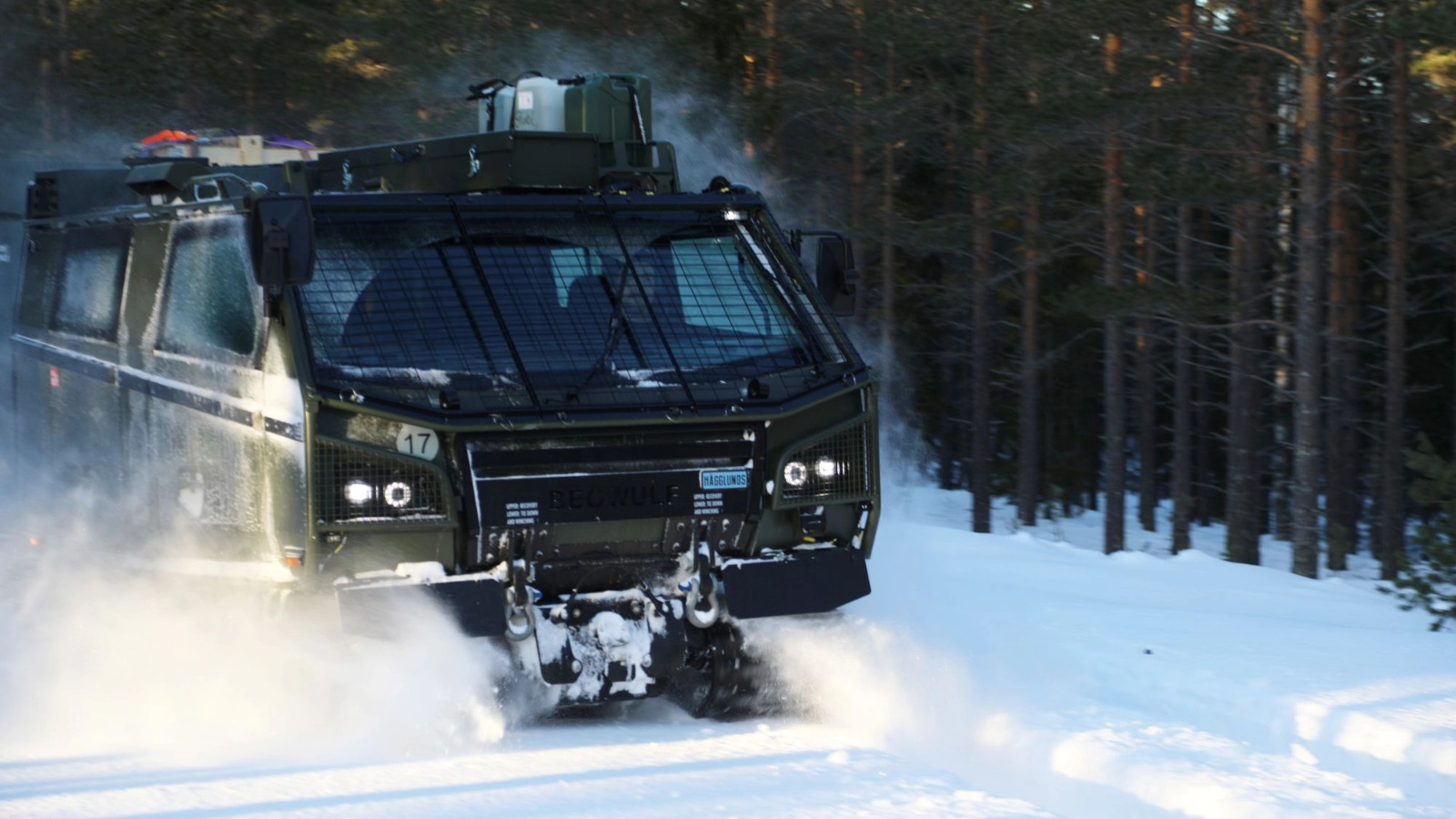
The US Army has received an additional batch of 19 Cold Weather All-Terrain Vehicles (CATVs) from BAE Systems, including the first vehicles assigned to the Vermont National Guard’s Army Mountain Warfare School.
The latest shipment also includes vehicles for the Arctic Region Test Center in Alaska and the 11th Airborne Division, bringing total CATV deliveries to the US Army to 58. Another 97 vehicles remain on order.
Designed for harsh winter conditions, the CATV offers high mobility to support cold-weather operations and training. Military personnel will also receive operator and maintenance training to facilitate its integration.
BAE Systems’ unarmored Beowulf secured the CATV contract in 2022, beating Oshkosh Defense and ST Engineering’s Bronco 3. The US Army plans to acquire 438 vehicles to replace its aging Small Unit Support Vehicle fleet.
“As we continue to deliver on our commitment to the U.S. military, we’re looking forward to seeing the impact of our CATVs in the field,” Combat Mission Systems’ vice president of sustainment and international, Dean Medland, said.
“The CATV’s unique capabilities will be a game-changer for the Vermont National Guard, Arctic Region Test Center and the 11th Airborne Division, enabling them to operate more effectively in challenging cold-weather environments.”
Beowulf Unarmored Vehicle
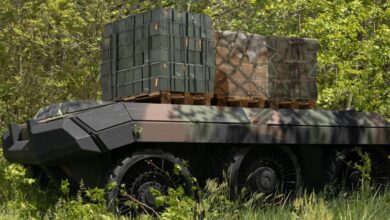
Part of BAE Systems’ BvS10 family of tracked vehicles, the unarmored Beowulf features two articulated compartments for carrying troops and equipment.
Designed for operations in snowy, icy, rocky, and muddy terrain, it can also navigate steep mountain environments and conduct amphibious missions.
Its modular design allows it to be reconfigured for logistics, disaster relief, humanitarian assistance, and search-and-rescue operations.
The vehicle is 8 meters (26 feet) long and can carry more than 10 personnel or up to 8,000 kilograms (17,637 pounds) of payload.
Powered by a 280-horsepower Cummins diesel engine paired with an Allison six-speed transmission, it has a top speed of 65 kilometers (40 miles) per hour and a range of 1,000 kilometers (620 miles).