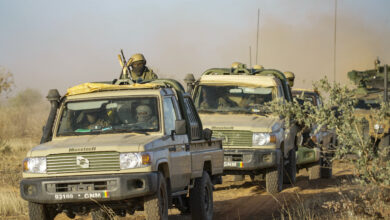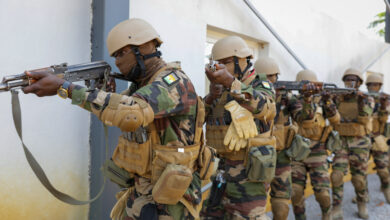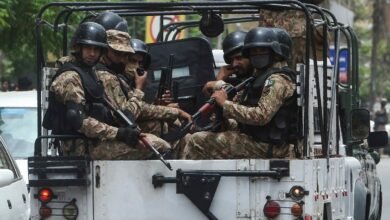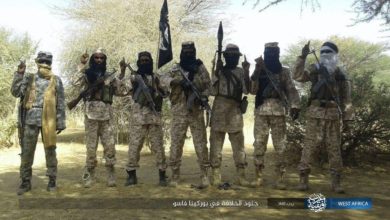
Not all wars are fought on equal terms. In some conflicts, one side dominates in firepower, technology, or resources while the other survives by refusing to fight on those terms.
This is asymmetric warfare: a form of conflict in which unequal opponents rely on different methods, with the weaker side using unconventional tactics to exploit gaps in the stronger adversary’s approach.
Explore the full guide to understand how imbalance becomes a battlefield strategy.
How Asymmetric Warfare Works
Asymmetric warfare doesn’t follow the logic of set-piece battles. Instead of meeting strength with strength, the weaker side looks for pressure points, such as logistics chains, communication systems, and political sensitivities that can be disrupted without ever holding ground.
From there, the focus shifts to constant, targeted disruption. Small, repeated actions rarely decide a conflict on their own, but over time, they can slow operations, increase costs, and wear down both capability and resolve.
This approach often turns time into a strategic advantage. A smaller force may not need to win outright; it can win by stretching the conflict long enough to shift the balance of costs, patience, and political will.
Example: During the Vietnam War, Viet Cong forces largely avoided direct large-scale engagements with US troops. Instead, they targeted supply routes, communication lines, and isolated positions, gradually eroding operational effectiveness and morale.
Common Tactics
Asymmetric warfare relies on a diverse toolkit of methods.
- Guerrilla warfare: Small, mobile units conducting surprise attacks.
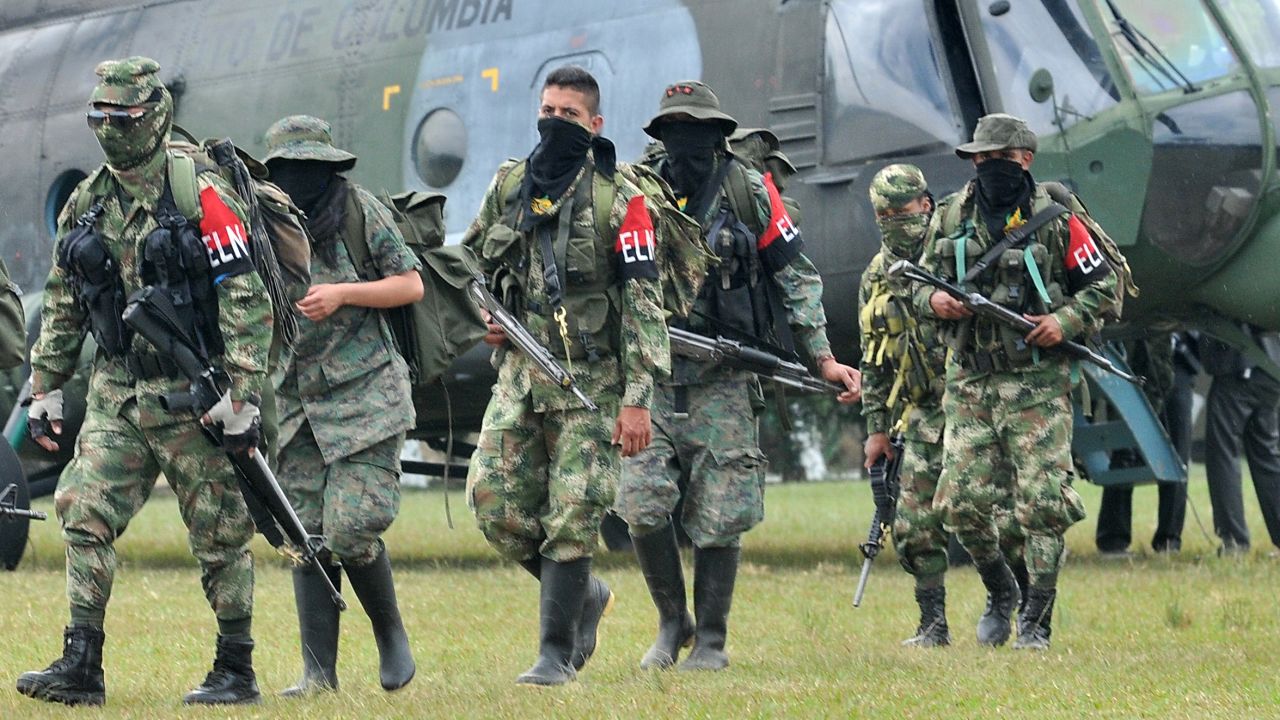
- Insurgency: Blending into civilian populations while resisting control.
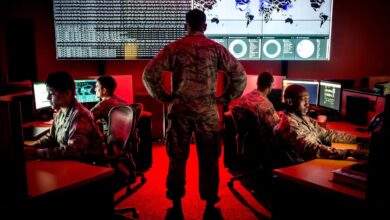
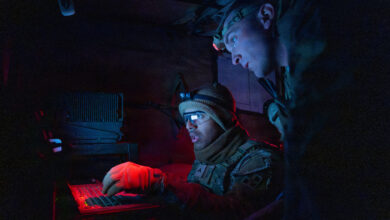
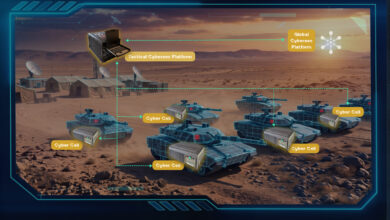
- Cyber operations: Targeting digital infrastructure and information systems.
- Information warfare: Propaganda, disinformation, and influence campaigns.
Example: During the Afghanistan conflict, insurgent groups combined roadside improvised explosive device (IED) attacks, hidden networks within local communities, and propaganda on social media to challenge technologically superior coalition forces.
Key Features of Asymmetric Warfare
To understand asymmetric warfare, it helps to look at how it changes the way conflict is realistically fought when one side can’t compete head-to-head.
- Imbalance of power: One side typically holds clear advantages in military strength, technology, or resources, while the other operates without those same tools.
- Unconventional tactics: Guerrilla warfare, ambushes, cyberattacks, or insurgency.
- Avoidance of direct conflict: Large-scale engagements are often sidestepped in favor of selective, opportunistic strikes that are harder to predict and counter.
- Psychological impact: Tactics designed not only to disrupt operations, but to influence morale, perception, and political pressure over time.
Example: Houthi attacks on commercial shipping and naval vessels in the Red Sea using drones and anti-ship missiles to disrupt global trade routes despite limited conventional naval power.
Why It Is Used
For weaker actors, asymmetric warfare offers a practical way to compete against stronger adversaries.
It reduces the need for large-scale resources while allowing for flexibility and adaptation. Just as importantly, it shifts the focus from military dominance to political and psychological outcomes, where even limited tactical successes can have outsized strategic effects.
Risks and Ethical Considerations
Asymmetric warfare may offer strategic advantages to weaker actors, but it also creates a set of difficult and often unavoidable consequences.
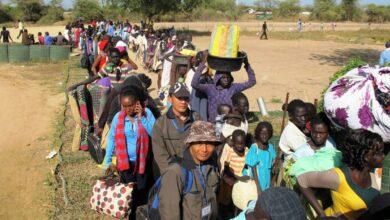
These conflicts tend to stretch over long periods and frequently unfold in populated areas, where separating the battlefield from civilian life becomes increasingly difficult. That overlap raises the risk of civilian harm and complicates efforts to maintain clear lines between combatants and non-combatants.
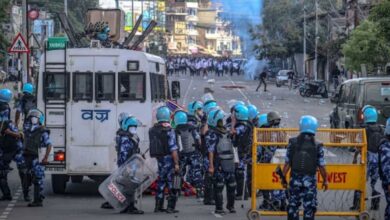
For stronger forces responding to these tactics, the challenge becomes equally complex. Military action must be calibrated carefully, as the risk of disproportionate force can quickly raise legal and ethical concerns under international law.
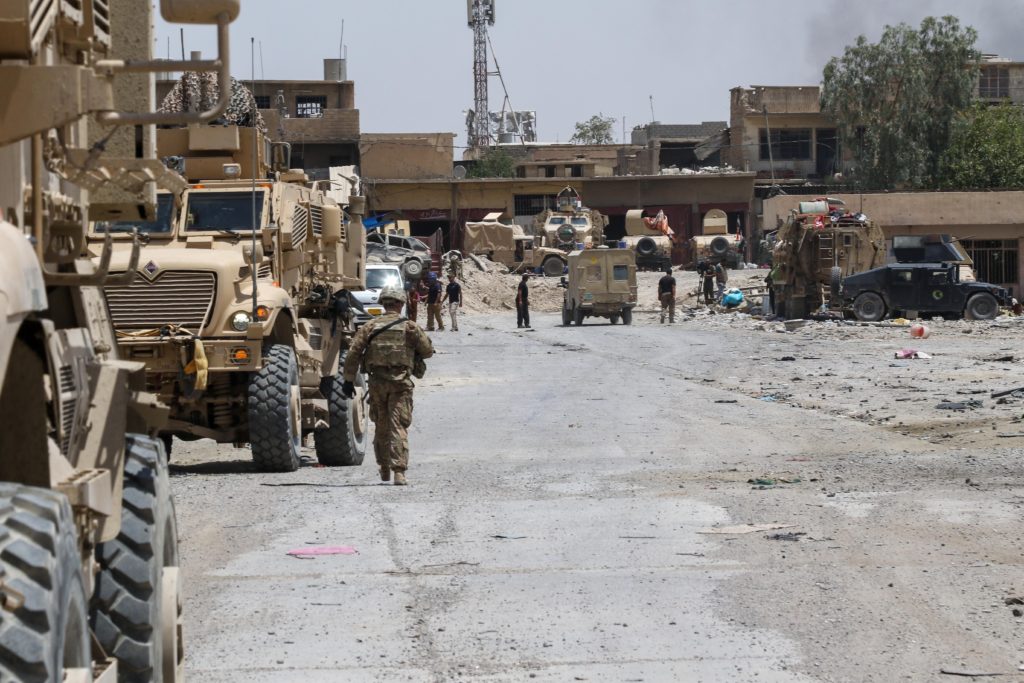
Example: In urban operations such as the Battle of Mosul, insurgent fighters operated within densely populated areas, forcing coalition forces to balance military objectives with efforts to reduce civilian casualties.
Modern Asymmetric Warfare
Modern asymmetric warfare rarely exists in isolation. It is often part of a broader strategy that blends conventional, cyber, and informational elements.
Success frequently depends not just on battlefield outcomes but on controlling narratives, maintaining resilience, and leveraging time as a weapon.
In many cases, the side that better manages perception and endurance, not raw firepower, gains the upper hand.
Asymmetric warfare is defined not by equality, but by how inequality is used.
Rather than matching stronger opponents directly, weaker actors seek to exploit vulnerabilities, stretch conflicts over time, and shift the battle beyond conventional military advantage.
As technology, cyber operations, and information warfare continue to evolve, asymmetric conflict remains one of the most persistent challenges in modern security and defense planning.