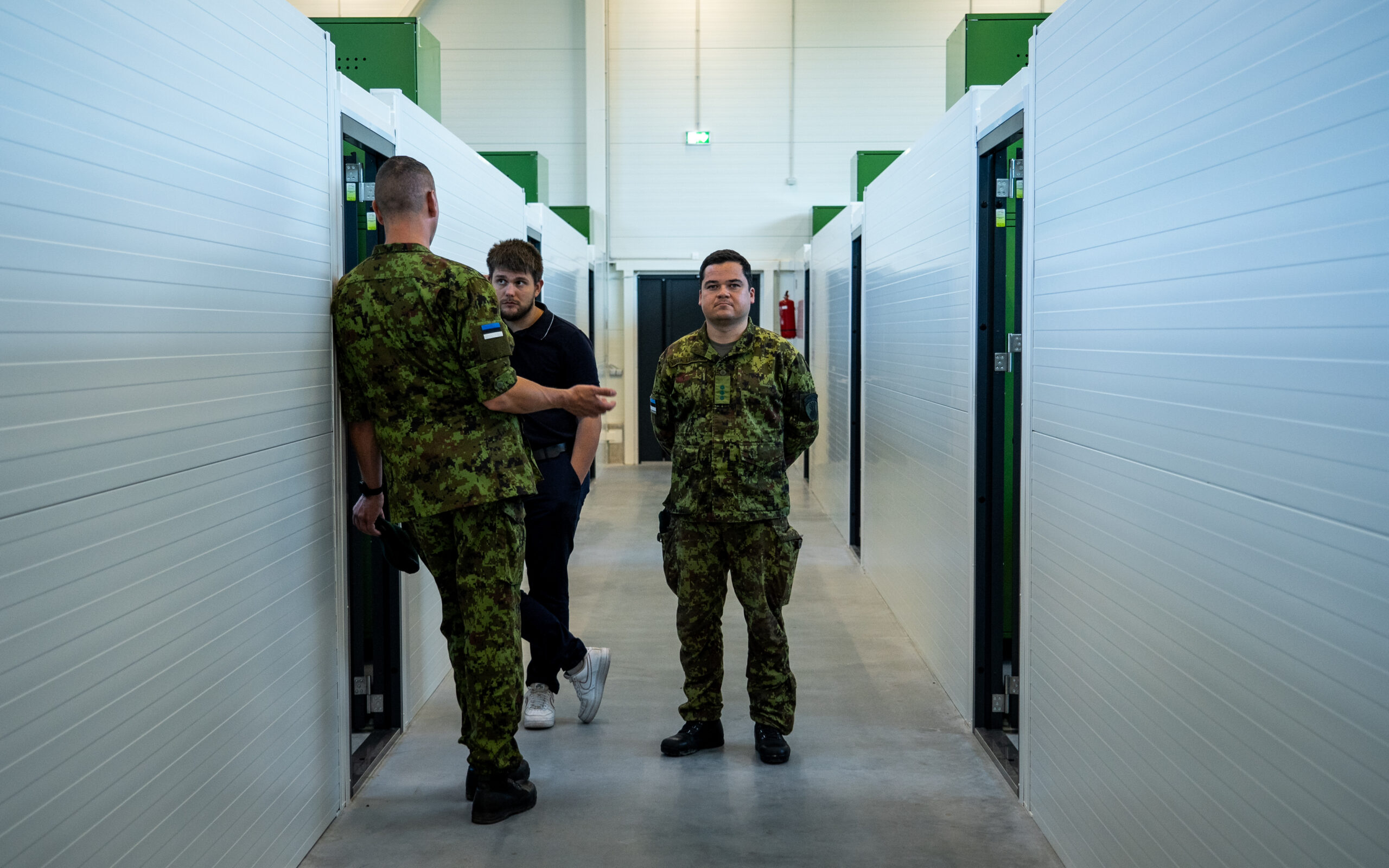

Estonia is preparing legislation that would allow citizens of other NATO member states to voluntarily serve in selected national defense roles, expanding the pool of personnel available during wartime, national broadcaster ERR reported.
The proposal would apply to foreign nationals who are members of the Estonian Defence League, a voluntary paramilitary organization that supports the country’s armed forces with military training, territorial defense, and civil emergency response.
Under the draft law, eligible members who are at least 18 years old and have taken the military oath could voluntarily assume wartime positions requiring a military rank.
If approved, the changes would take effect on January 1, 2027.
Legal and Operational Questions
According to a legal analysis cited by ERR, several aspects of the proposal still require clarification.
The analysis notes that the government has not explained why additional foreign personnel are needed, given that the Defence League and its affiliated organizations already have more than 30,100 members.
Moreover, the analysis identified several implementation challenges.
Although military operations are conducted in Estonian, supporting members of the Defence League are not currently required to demonstrate proficiency in the language.
It also raised questions about how security vetting for foreign NATO citizens would be carried out.
In addition, the review noted that supporting members are subject to less stringent medical standards than active personnel, an issue that could create inconsistencies if they are assigned wartime military roles.
Strengthening Defense Capabilities
The proposal comes as Estonia continues to strengthen its defense posture through investments in new capabilities and infrastructure.
In recent months, the country introduced a portable drone-based signals intelligence system that enables frontline troops to detect hostile electronic emitters beyond the range of ground-based sensors.
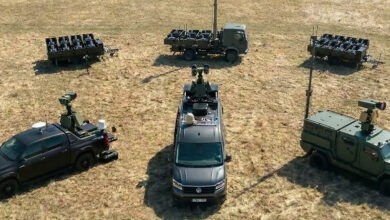
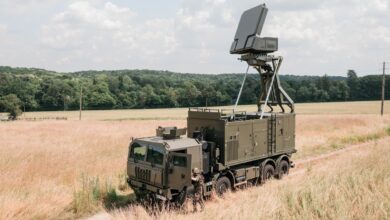
Tallinn has also received its first IRIS-T SLM medium-range air defense system, extending its ability to counter aircraft, helicopters, and cruise missiles.
In parallel, the Baltic nation is building a national laboratory dedicated to testing drones and electronic warfare technologies in realistic operational conditions, with the facility expected to open in 2027.