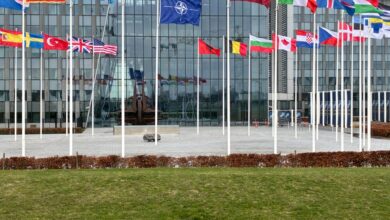
Lockheed Martin has teamed with European industry partners to pursue NATO’s Next Generation Modeling and Simulation competition, which aims to improve allied operational planning and future capability assessments.
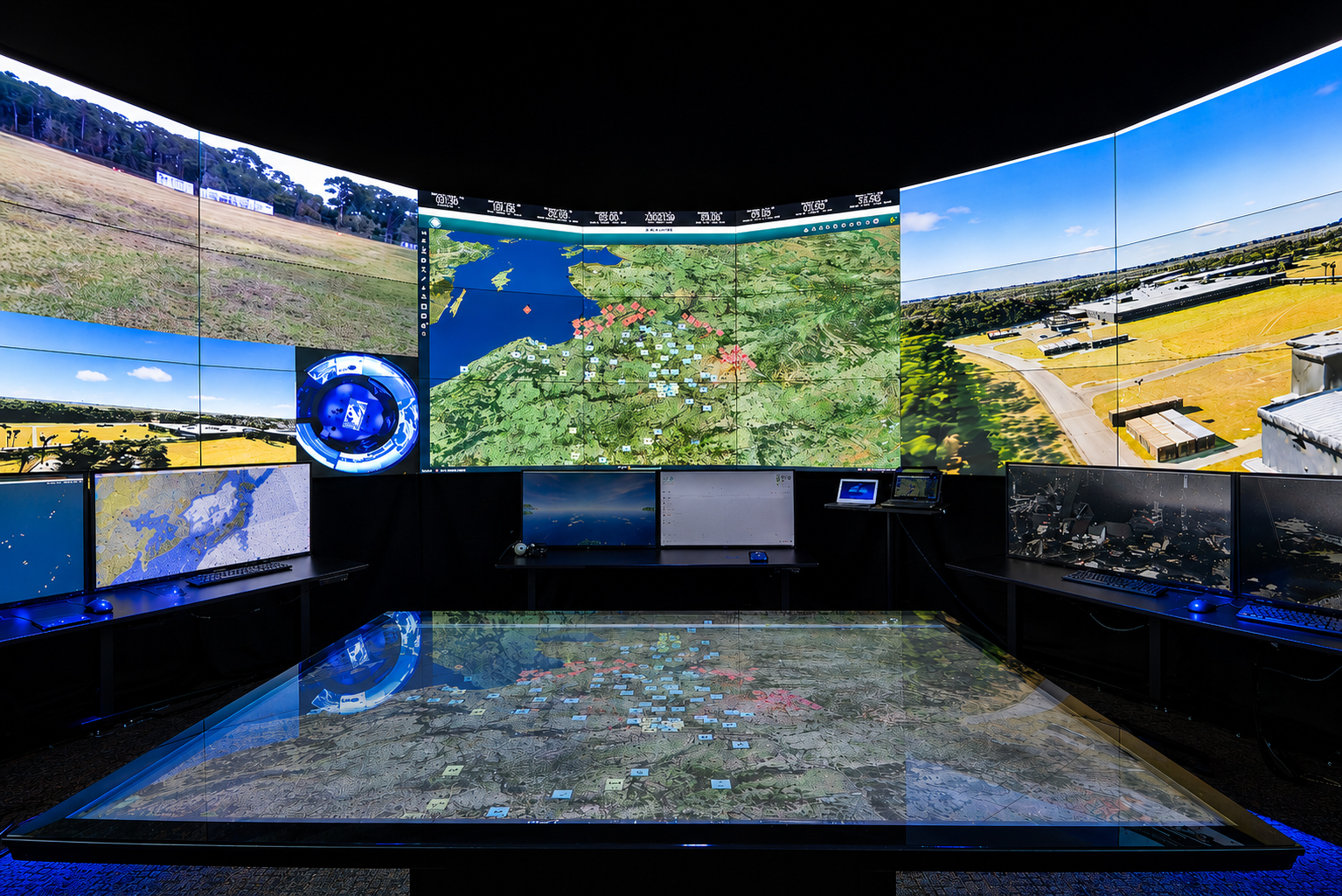
At the center of the proposal is Lockheed Martin’s Advanced Center for Experimentation and Simulation (ACES), a modeling and simulation environment designed to connect multiple training and analysis tools within a single framework.
According to the company, ACES supports activities ranging from multinational military exercises and operational planning to strategic studies and wargaming.
The platform is designed to bring together data and simulation tools across air, land, maritime, space, and cyber domains, allowing allied forces to train and assess operations in a shared digital environment.
Lockheed Martin said its bid combines more than three decades of simulation experience with expertise from European industry partners. The company did not disclose the names of participating firms.
“We are confident in the capabilities of ACES to strengthen interoperability and readiness across the alliance,” Lockheed Martin’s vice president of land and maritime solutions Raashi Quattlebaum said.
NATO Expands Investment in Modeling and Simulation
Simulation has become a growing focus for NATO members as the alliance seeks to prepare forces for increasingly complex operational environments.
In June, the Italian Army selected Cubic Defense to upgrade its SIM 2.0 live training system, introducing enhanced simulation capabilities aimed at improving realism in data-driven battlefield training environments.
The same month, Spain’s Indra Group signed an agreement with BAE Systems’ OneArc to enhance training and simulation capabilities for the Spanish Army’s land vehicle programs, focusing on integration of OneArc’s virtual simulation software and image-generation tools into existing systems.
Earlier, in March, Denmark launched a seven-year upgrade of its virtual training environment using the same OneArc simulation suite, expanding the use of battlefield simulation, scenario-building tools, and advanced terrain and visualization systems across its training architecture.