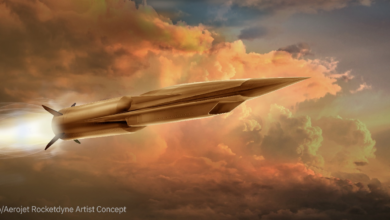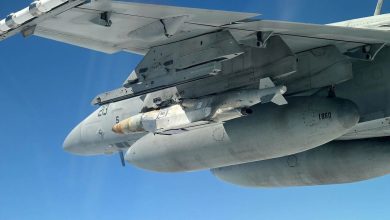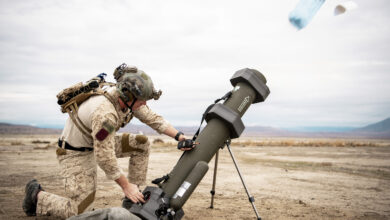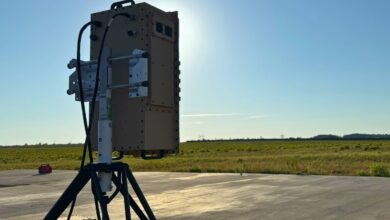

The US Army is seeking industry proposals for a next-generation counter-drone missile that can intercept small drones at longer ranges while costing less than $150,000 per round.
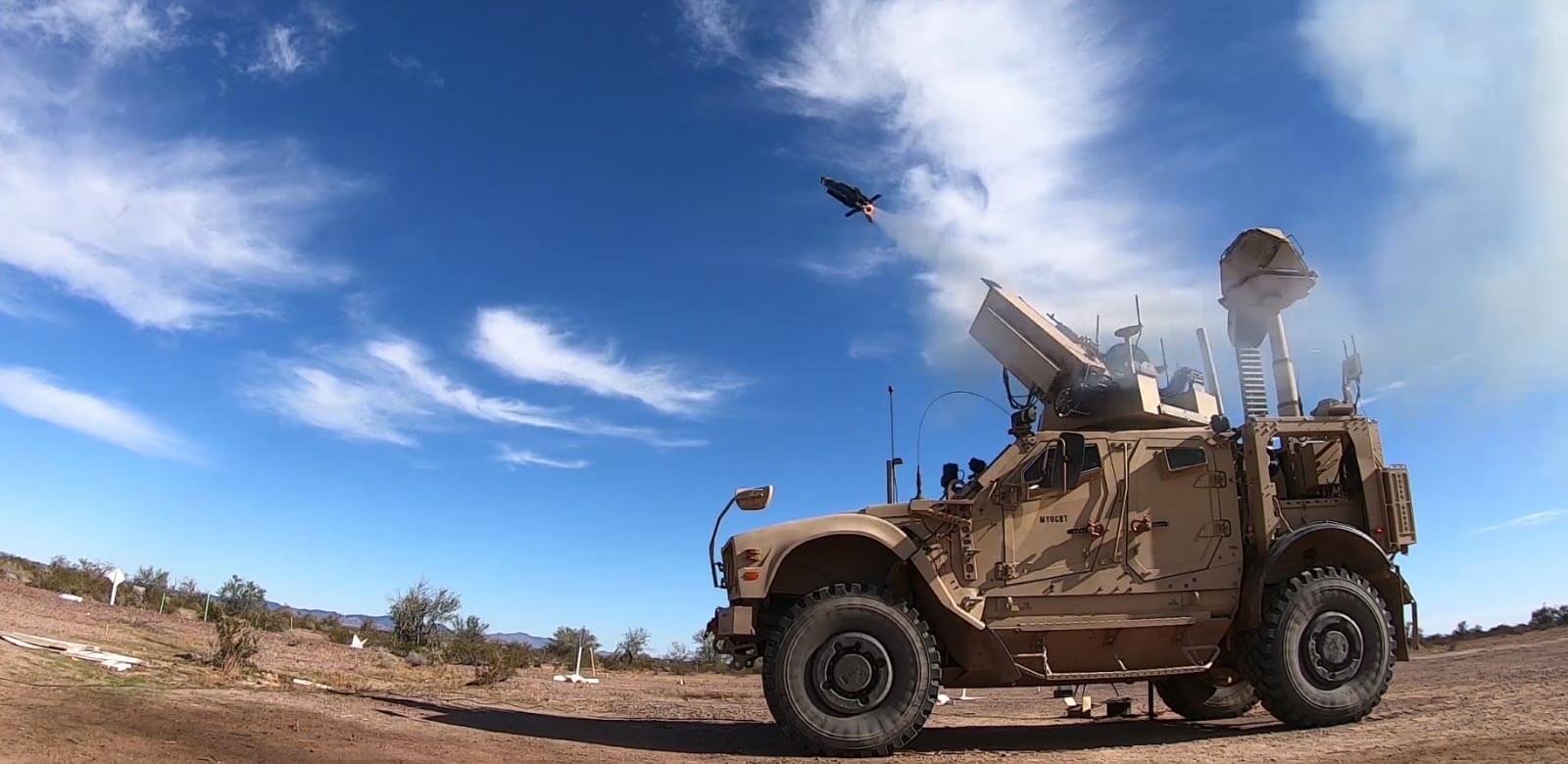
The notice seeks companies capable of developing, producing, and sustaining a Next Generation Counter-small Unmanned Aircraft System Missile designed to defeat Group 2 and Group 3 drones faster than current interceptors.
The missile must engage drones beyond 16 kilometers (10 miles) at 6 kilometers (3.7 miles) of altitude, with an objective range exceeding 25 kilometers (15 miles) at 8 kilometers (4.9 miles) of altitude. It must also launch in under five seconds after operator command and integrate with the existing Coyote launcher with minimal modifications.
The target production costs of below $150,000 per missile will cover a procurement of at least 5,000 interceptors.
The missile should also reach Technology Readiness Level 7 after developmental testing by the fourth quarter of fiscal 2027, with 50 missiles available for operational assessment by the first quarter of fiscal 2028.
US Seeks Low-Cost Missile Defenses
The army’s request is the latest effort by the US to develop more affordable interceptors as drones and cruise missiles become a growing battlefield challenge.
In July, Lockheed Martin unveiled the PAC-3 Adapted Capability Effector, a Patriot interceptor expected to cost less than half as much as the PAC-3 Missile Segment Enhancement.
During the same month, the US Navy selected CoAspire to develop an affordable ground-launched cruise missile based on its Rapidly Adaptable Affordable Cruise Missile-Extended Range for allied and partner nations.
The effort builds on the US Air Force’s November 2025 Counter-Air Missile Program, which seeks a modular, low-cost ground-launched missile that could evolve into an air-to-air weapon. The service aims to produce between 1,000 and 3,500 missiles annually at a target cost of less than $500,000 per unit.