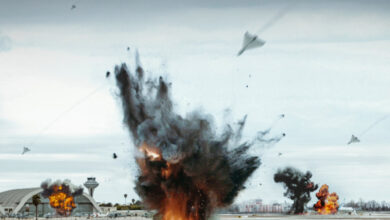
Superior long-range radars, command networks, and interceptor missiles are considered an edge simply because they have the power to end the threat before it arrives. Among these powerful systems is the S-400 Triumf.
Developed to defend against aircraft, cruise missiles, and certain ballistic missile threats, the S-400 has become one of Russia’s most prominent defense exports and a cornerstone of its air defense architecture.
This guide explores the missile system’s origins, capabilities, variants, operational use, and future prospects.
At a Glance
| Category: | Details: |
| Type | Long-range surface-to-air missile system |
| NATO Designation | SA-21 Growler |
| Role | Strategic air and missile defense |
| Manufacturer | Almaz-Antey |
| Missile Types | 48N6E3, 40N6, 9M96E, 9M96E2 |
| Max. Engagement Range | 48N6E3: 250 kilometers (155 miles) 40N6: Up to 400 kilometers (249 miles) 9M96E: 40 kilometers (25 miles) 9M96E2: 120 kilometers (75 miles) |
| Max. Engagement Altitude | 48N6E3: 30 kilometers (19 miles) 40N6: 30 kilometers (19 miles) 9M96E: 20 kilometers (12 miles) 9M96E2: 30 kilometers (19 miles) |
| Maximum Speed | 48N6E3: Mach 6.5 (8,026.2 kilometers/4,987.3 miles per hour) 40N6: Mach 12 (4,817.6 kilometers/9,207.2 miles per hour) 9M96E: Mach 3 (3,704.4 kilometers/2,301.8 miles per hour) 9M96E2: Mach 3 (3,704.4 kilometers/2,301.8 miles per hour) |
| Target Types | Stealth aircraft, cruise missiles, drones, and medium-range ballistic missiles |
| Mobility | Road-mobile |
| Radar Capability | 91N6E Big Bird (long-range surveillance, 600-kilometer/373-mile detection range) and 92N6E Grave Stone (fire-control and engagement radar) |
| Simultaneous Engagement | Multiple targets simultaneously |
What Is the S-400 Triumf?
The S-400 Triumf is a long-range surface-to-air missile system developed by Russia to engage a wide range of aerial threats.
This includes fighters such as the F-16 Fighting Falcon and F-35 Lightning II, bombers such as the B-52 Stratofortress and B-1B Lancer, unmanned aerial vehicles, cruise missiles such as the Tomahawk, and certain ballistic missile threats.
The S-400 is designed to create layered air defense zones capable of protecting strategic assets, military formations, and critical infrastructure.
How the S-400 Came to Be
The S-400 traces its roots to the Soviet-era S-300, a highly successful air defense system that formed the backbone of Russian air and missile defense for decades.
Development began in the 1990s under state-owned defense enterprise Almaz, focusing on longer detection ranges, improved target tracking, and more advanced interceptor missiles.
Rather than starting from scratch, engineers built on the proven S-300 architecture, upgrading radars, command systems, and engagement capabilities. The S-400 entered Russian service in 2007 and has since become a cornerstone of the country’s integrated air defense network and one of its most prominent defense exports.
S-400 Missile Types
Unlike fighter aircraft, the S-400 is primarily differentiated by the missiles it employs rather than by distinct platform variants.
| Missile | Primary Target | Key Characteristics |
| 9M96E | Aircraft, drones, cruise missiles, precision-guided munitions | Short-range interceptor optimized for highly maneuverable targets and point defense |
| 9M96E2 | Aircraft, cruise missiles, tactical ballistic missiles | Extended-range version has improved reach and greater engagement flexibility |
| 48N6DM | Aircraft, AWACS, electronic warfare aircraft, cruise missiles | Long-range interceptor that forms the backbone of many S-400 batteries, offering broad-area air defense coverage |
| 40N6 | High-value aircraft, airborne command-and-control platforms, support aircraft | The S-400’s longest-range missile |
How the S-400 Works
Key Features
Long-Range Surveillance Radar
The S-400 relies on powerful surveillance radars capable of detecting aerial targets over hundreds of kilometers. These radars continuously monitor airspace and provide targeting information to command vehicles and launchers.
Integrated Command and Control
A central command post processes radar data, prioritizes threats, and assigns targets to available launch batteries. This allows operators to manage multiple engagements simultaneously.
Mobility and Rapid Deployment
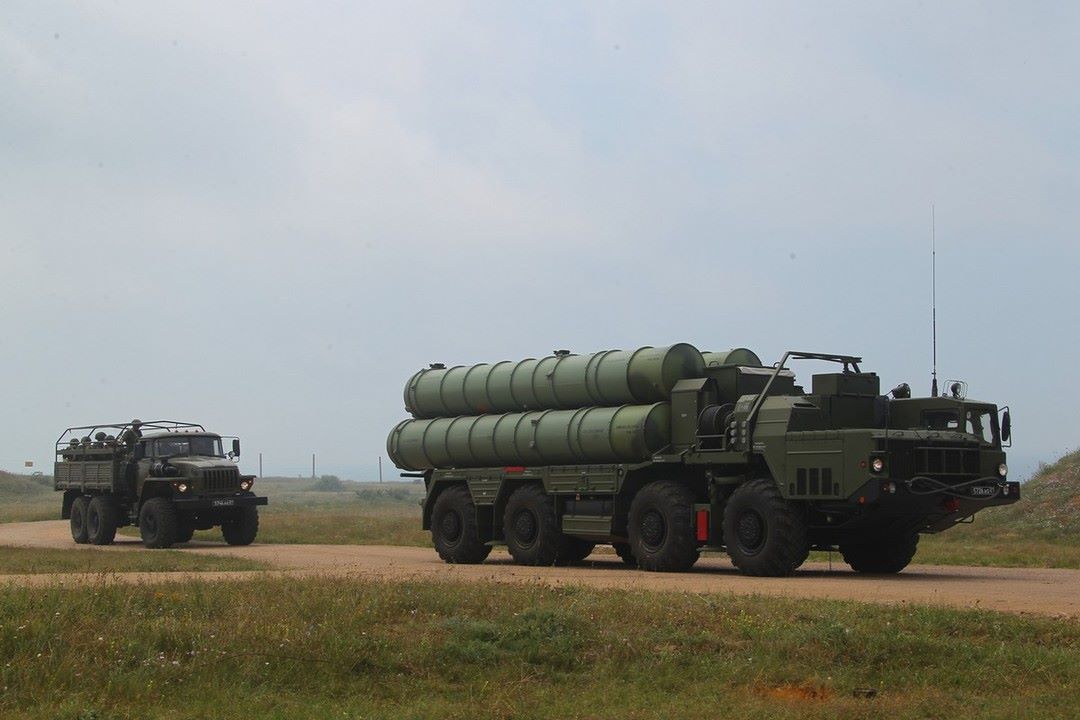
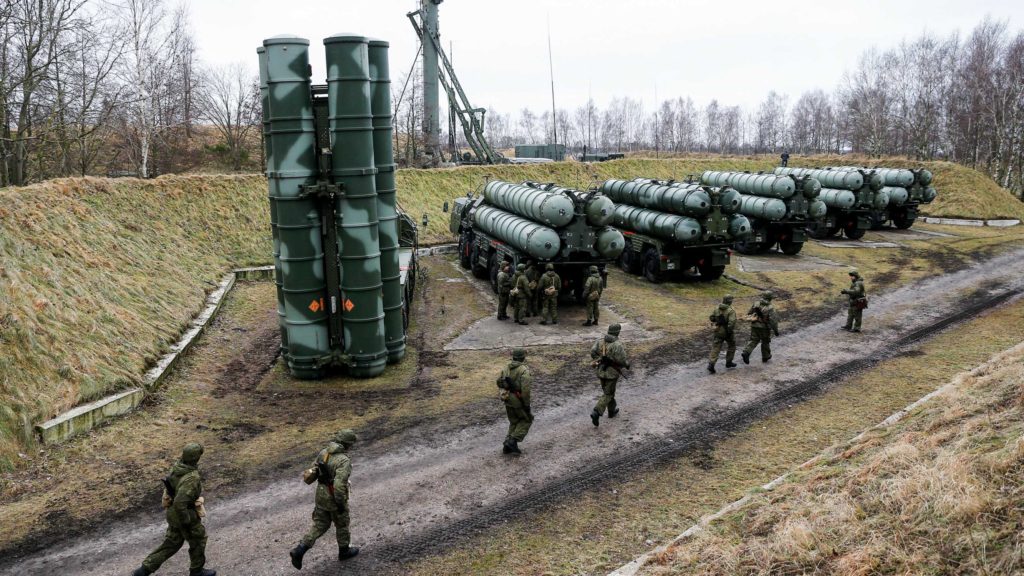
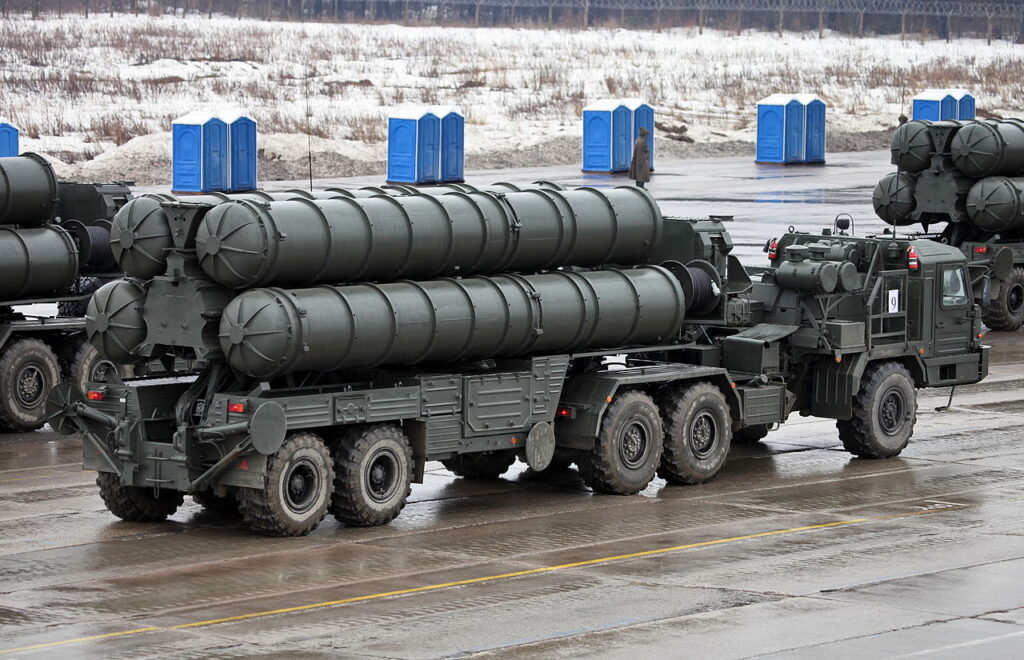
Missiles are carried on transporter-erector-launchers, which can quickly relocate after firing. This mobility improves survivability by reducing vulnerability to enemy counterattacks.
Mounted on wheeled vehicles, S-400 batteries can be deployed and repositioned relatively quickly, making them more difficult to target than fixed air defense installations.
Multi-Layered Defense
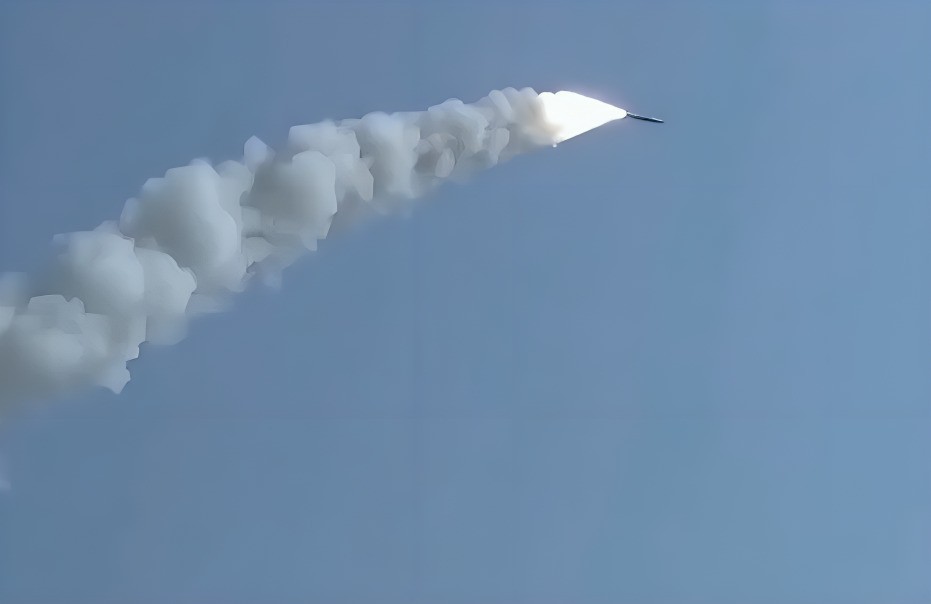
One of the S-400’s defining characteristics is its ability to use different missiles within the same system. Operators can engage threats ranging from low-flying drones to high-altitude aircraft using the most appropriate interceptor.
Simultaneous Target Engagement
The system can track dozens of targets and engage multiple threats simultaneously, helping defend against saturation attacks.
Strengths of the S-400
- Exceptional engagement range: The system’s longest-range interceptor, the 40N6 missile, reportedly allows engagements at distances of up to 400 kilometers (249 miles), making it one of the longest-range operational surface-to-air missile systems in the world.
- Broad target coverage: The S-400 is designed to engage conventional aircraft, strategic bombers, drones, cruise missiles, and certain ballistic missile threats.
- Strategic deterrence: Its presence can complicate adversary air operations by creating large anti-access/area-denial (A2/AD) zones that force opposing aircraft to operate more cautiously.
Limitations of the S-400
- Dependence on supporting networks: The system achieves its best performance when integrated into a broader air defense network of radars, command systems, and supporting assets.
- Vulnerability to saturation: Like any missile defense system, it can potentially be overwhelmed if attacked simultaneously by a sufficiently large number of targets.
- Limited combat transparency: Many claims regarding the S-400’s performance against stealth aircraft and advanced missiles remain difficult to independently verify due to limited publicly available combat data.
Global Use and Deployment
Russia remains the largest operator of the S-400, deploying it to protect major military bases, strategic regions, and critical infrastructure.
S-400 batteries have been deployed in strategically important regions, including Syria, the Arctic, and areas surrounding the Black Sea, where they contribute to Russia’s layered air defense network.
The war in Ukraine has provided the most significant real-world test of the S-400 to date, and the results have been mixed. Russia deployed S-400 batteries extensively to protect Crimea, frontline zones, and strategic assets, where they initially restricted Ukrainian air operations by forcing pilots to fly low or avoid defended corridors entirely.
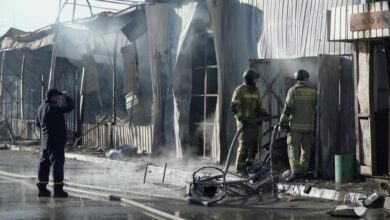
However, Ukraine successfully attacked S-400 sites throughout 2023 and 2024 using a combination of drones, cruise missiles, and ballistic missiles. Ukrainian sources claim as many as 31 S-400 batteries have been destroyed or damaged, though that figure remains unverified by independent observers.
What is clear is that the conflict has raised serious questions about the system’s survivability when operating without adequate short-range escort systems such as the Pantsir — a limitation that has implications for every country currently operating the S-400.
The system has also been exported to several countries, including China, India, and Turkey.
Turkey’s acquisition proved the most consequential of any S-400 export deal. Washington warned Ankara repeatedly that purchasing the system would trigger sanctions and compromise NATO interoperability.
Turkey proceeded regardless, and in July 2019, the US formally removed Turkey from the F-35 Lightning II program, stripping it of the 100 aircraft it had on order and excluding Turkish defense firms from F-35 production contracts.
The country has since sought alternative fighter solutions, including renewed F-16 procurement discussions with Washington, while its S-400 batteries remain largely inactive amid ongoing diplomatic pressure.
S-400 vs Major Competitors
| System | Country | Maximum Range | Primary Role |
| S-400 Triumf | Russia | Up to 400 kilometers (249 miles) | Long-range air and missile defense |
| MIM-104 Patriot | United States | Up to 160+ kilometers (99 miles) | Air and missile defense |
| SAMP/T | Europe | Up to 120+ kilometers (75 miles) | Air and ballistic missile defense |
| HQ-9 | China | Up to 300+ kilometers (186 miles) | Long-range air defense |
Future Outlook
The S-400 remains one of the world’s most influential air defense systems and continues to play a major role in Russian military planning.
However, evolving threats such as hypersonic weapons, stealth aircraft, electronic warfare systems, and mass drone attacks are driving demand for even more advanced defenses.
Russia is already introducing the next-generation S-500 Prometheus, designed to complement rather than immediately replace the S-400.
While debates continue over its real-world effectiveness against the most advanced threats, the S-400’s combination of range, flexibility, and strategic reach has made it one of the defining air defense systems of the 21st century.