Blue Water Autonomy and Saildrone have filed lawsuits against the US Navy, challenging their exclusion from the service’s Medium Unmanned Surface Vessel (MUSV) competition.
The two US-based defense technology manufacturers have alleged that their proposals met the solicitation requirements, while the navy did not follow its own evaluation criteria when assessing their proposals.
Both companies also argued that they were denied the opportunity to prove their vessels by excluding them before the at-sea testing phase.
The complaint documents redact the navy’s specific reasons for rejecting the proposals, while the service declined to comment, citing the ongoing litigation, as per USNI.
Protesting the US Navy’s Decision
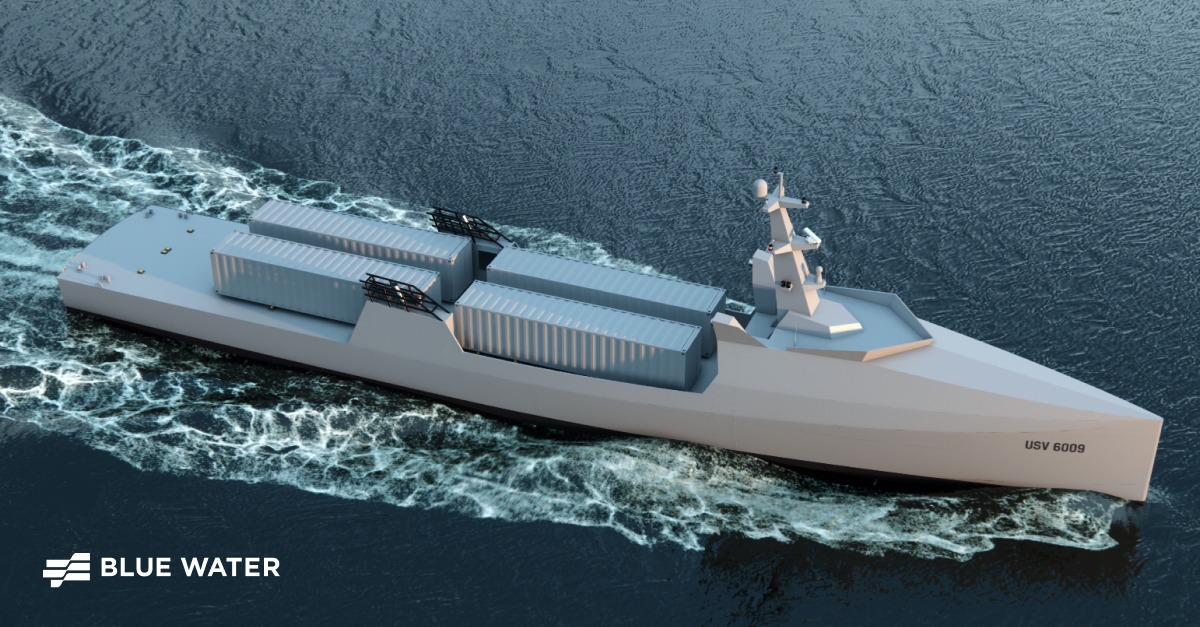
Blue Water Autonomy noted that its Liberty vessel had already been selected under the navy’s now-cancelled Modular Attack Surface Craft (MASC) program, and that the company had already made significant investments in the platform’s development.
According to the firm’s bid protest, it seeks to pause the navy’s sea trials and follow-on contract awards until its proposal is reevaluated and, if deemed qualified, allowed to participate in testing.
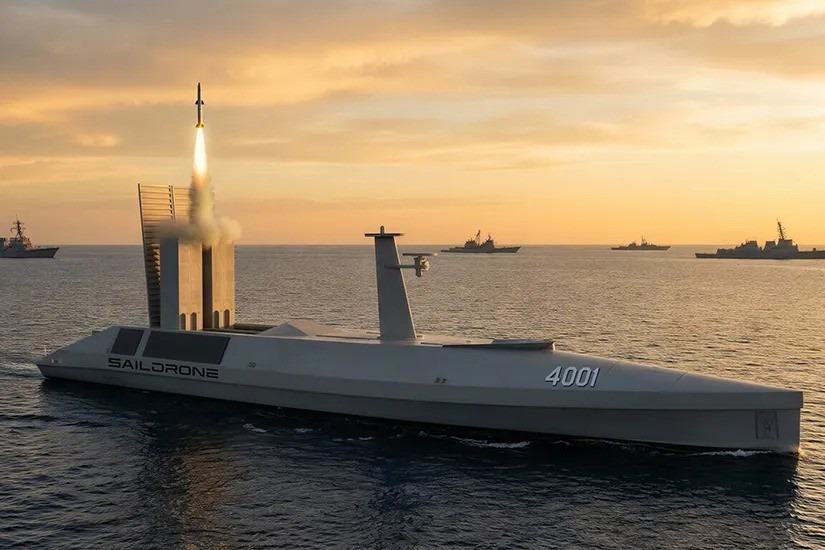
Meanwhile, Saildrone said its Spectre vessel met or exceeded all mandatory requirements, had received certification from the American Bureau of Shipping, and had already secured long-lead production components in preparation for fielding.
The company also noted in its complaint that it learned it had not been selected through a news report and was only informed of its rejection after requesting clarification from the navy.
But unlike Blue Water Autonomy, Saildrone only seeks to have the navy reevaluate its proposal and permit it to join the sea trials if found compliant, without delaying the broader program.
Search for a Multi-Mission Drone Boat
The US Navy launched the approximately $2.1-billion MUSV program in March to develop an autonomous, multi-mission surface vessel with swappable payloads.
The platform must be able to travel 2,500 nautical miles (4,630 kilometers/2,877 miles) at speeds of up to 25 knots (46 kilometers/29 miles per hour), while carrying 25 metric tons (55,116 pounds) of cargo in at least two 40-foot (12-meter) shipping containers.
It must also be able to operate in Sea State 4, with waves up to 2.5 meters (8.2 feet) high.
The MUSV program replaced the MASC prototyping effort, which focused on uncrewed boats designed to transport heavy, containerized payloads.
In late May, the navy shortlisted seven companies to advance to the next phase, excluding both Blue Water Autonomy and Saildrone.