
The US Naval Postgraduate School (NPS) is set to conduct what it describes as the largest operational demonstration of advanced manufacturing ever undertaken by the US Department of Defense during the Rim of the Pacific (RIMPAC) 2026 exercise.
The initiative will test whether a distributed manufacturing network can produce and deliver replacement parts closer to operational forces, reducing reliance on conventional supply chains during military operations.
Military organizations, government agencies, industry, universities, and allied partners will participate in the demonstration across ships and locations in Hawaii during RIMPAC 2026.
The exercise brings together 35 nations, about 40 surface ships, five submarines, more than 140 aircraft, and approximately 25,000 personnel.
Rather than testing individual manufacturing technologies, the demonstration will evaluate a digital production network that receives requests, assigns production to the nearest qualified facility, and delivers replacement parts directly to operational units.
The approach aims to shorten delivery times by producing components closer to the area of operations, where conventional supply chains can be slow and vulnerable to disruption, NPS explained.
Testing Distributed Manufacturing at Sea
RIMPAC 2026 will also mark the first time the exercise integrates additive manufacturing, AI, and autonomous systems into a single operational workflow.
Central to the effort is the Joint Advanced Manufacturing System (JAMS), a digital command-and-control platform designed to manage manufacturing requests, allocate production across multiple facilities, and track components from fabrication through final delivery.
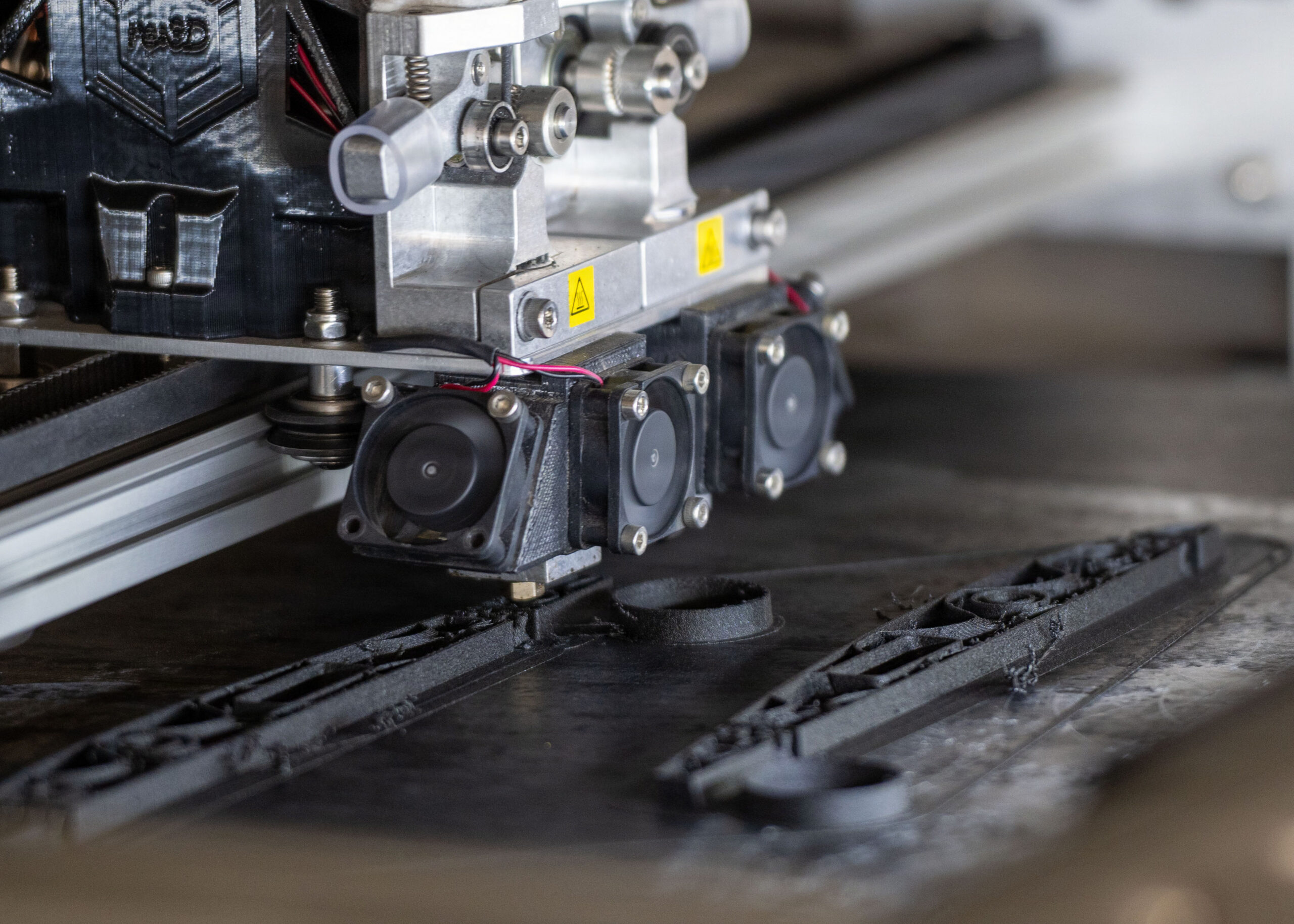
During the exercise, JAMS will connect metal additive manufacturing systems installed aboard four naval vessels, allowing ships to manufacture parts not only for their own requirements but also for other ships and forces ashore.
Researchers will evaluate the production of metal powder aboard a Canadian naval vessel before using the material to manufacture components at sea.
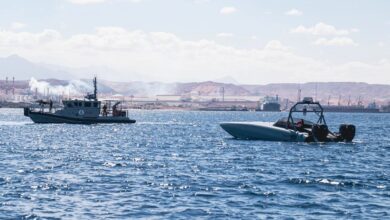
Additional demonstrations will include autonomous surface vessels transporting 3D-printed parts between ships and additively manufactured drone platforms produced both aboard ships during the transit to Hawaii and at facilities on the islands for counter-uncrewed aircraft system experiments.
NPS said the exercise is intended to determine whether distributed manufacturing can function under operational conditions that cannot be replicated in laboratory testing, including contested logistics, multinational coordination, and the challenges of sustaining manufacturing capabilities during expeditionary operations.