Modern warfare is no longer just about defeating an enemy once combat begins. Increasingly, militaries aim to prevent opponents from entering a region in the first place or make operations so costly and risky that they become difficult to sustain.
This strategy is known as anti-access/area-denial (A2/AD), and it has become a central concept in military planning around the world.
But what exactly is an A2/AD network, and how does it work?
Understanding A2/AD
Anti-access/area-denial (A2/AD) refers to a collection of military systems and tactics designed to restrict an adversary’s freedom of movement within a specific region.
The concept is usually divided into two parts:
- Anti-access (A2): Measures intended to prevent an enemy from entering a theater of operations.
- Area-denial (AD): Measures designed to limit an enemy’s ability to maneuver and operate effectively once inside that area.
Together, these capabilities create layered defensive zones that can challenge aircraft, ships, ground forces, and missiles.
Where the Term Comes From
The underlying tactics are ancient, with naval blockades and fortified chokepoints being early versions of the same logic. But the modern term was coined in 2003 by the Center for Strategic and Budgetary Assessments, a US defense think tank, and gained rapid traction as American military planners grappled with how adversaries were responding to US dominance after the Gulf War.
Rather than confronting US forces directly, rivals like China and Russia invested in layered missile, radar, and electronic warfare systems specifically designed to neutralize American advantages in power projection.
By the 2010s, A2/AD had become one of the central organizing concepts in US and NATO defense planning.
How Does an A2/AD Network Work?
Instead of relying on a single weapon system, an A2/AD network combines multiple capabilities into an integrated defense architecture.
Long-Range Air Defenses
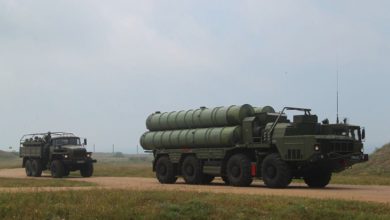
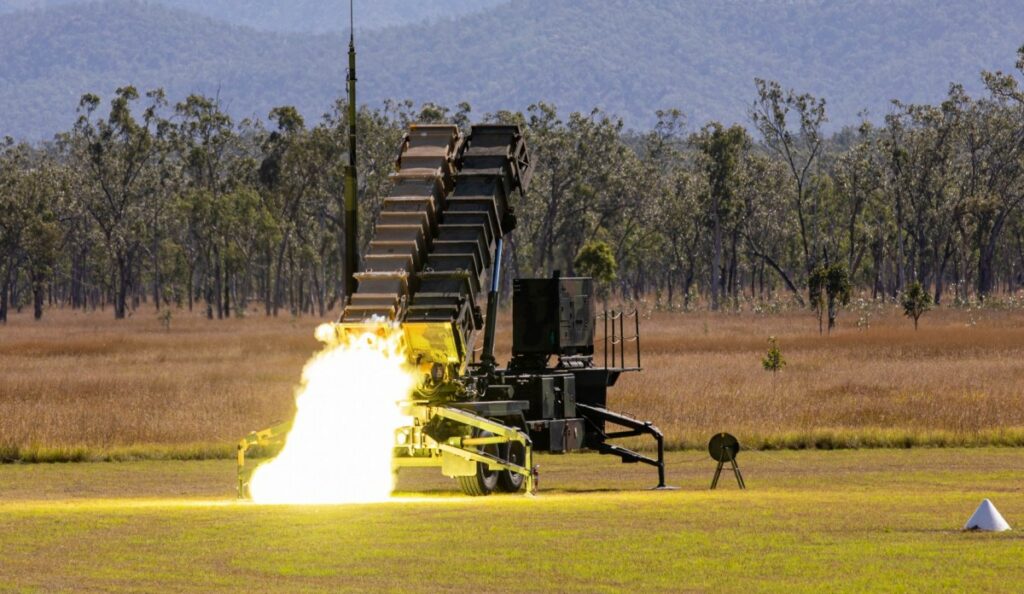
Surface-to-air missile systems such as the S-400 Triumf or MIM-104 Patriot can threaten enemy aircraft hundreds of kilometers away, making air operations more difficult.
Anti-Ship Missiles
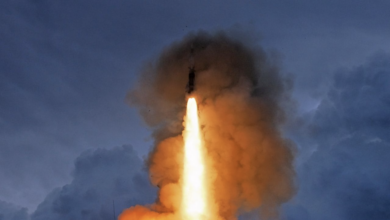
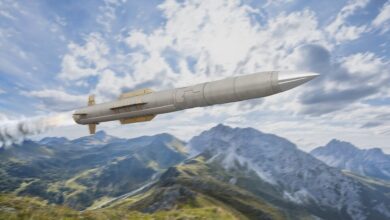
Coastal defense missiles can target naval vessels attempting to enter contested waters. These systems help create maritime exclusion zones around strategic coastlines and chokepoints.
Sensors and Surveillance
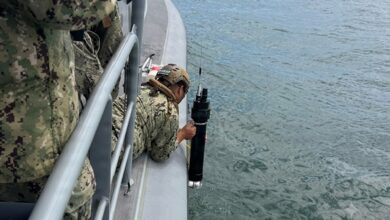
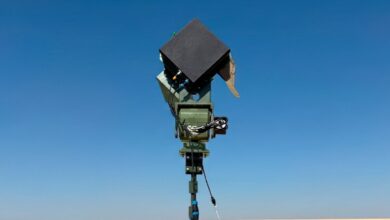
A2/AD networks rely heavily on radars, satellites, reconnaissance aircraft, drones, and electronic intelligence systems to detect and track potential threats over large distances.
Electronic Warfare
Jamming systems, cyber capabilities, and electronic attack platforms can disrupt communications, navigation, and targeting systems, reducing an adversary’s effectiveness.
Why Are A2/AD Networks Important?
A well-designed A2/AD network can complicate military operations by increasing the risks faced by attacking forces. Instead of engaging an opponent at close range, defenders seek to create overlapping layers of protection that force adversaries to operate farther away or commit greater resources.
For example, long-range missiles supported by surveillance assets can threaten aircraft carriers, bomber aircraft, and logistics hubs before they reach their intended operating areas.
Real-World Examples
Several countries have developed significant A2/AD capabilities. Russia has deployed layered air defense networks around regions such as Kaliningrad and Crimea, while China has invested heavily in missile, naval, and surveillance systems designed to influence operations in the Western Pacific.
Countering A2/AD
No defensive system is unanswerable, and military planners have developed several approaches to operating inside or around A2/AD networks.
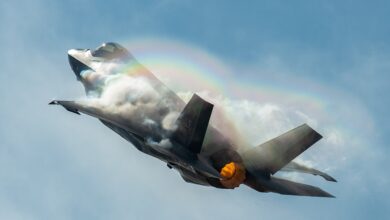
Stealth and penetration platforms are the most direct response. Fifth-generation aircraft like the F-35 are specifically designed to enter contested airspace without triggering radar detection, targeting the radars, command nodes, and missile batteries that hold an A2/AD network together.
Standoff weapons extend that logic further. Long-range precision missiles allow aircraft, ships, and submarines to strike A2/AD components from outside the defended zone entirely — without ever entering the threat envelope.
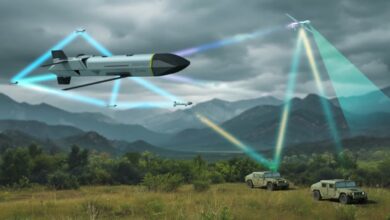
Electronic warfare adds another layer. By jamming sensors, disrupting communications links between radar systems and weapons, and degrading an adversary’s targeting data, electronic attack platforms can degrade the coordination that makes A2/AD networks effective in the first place.
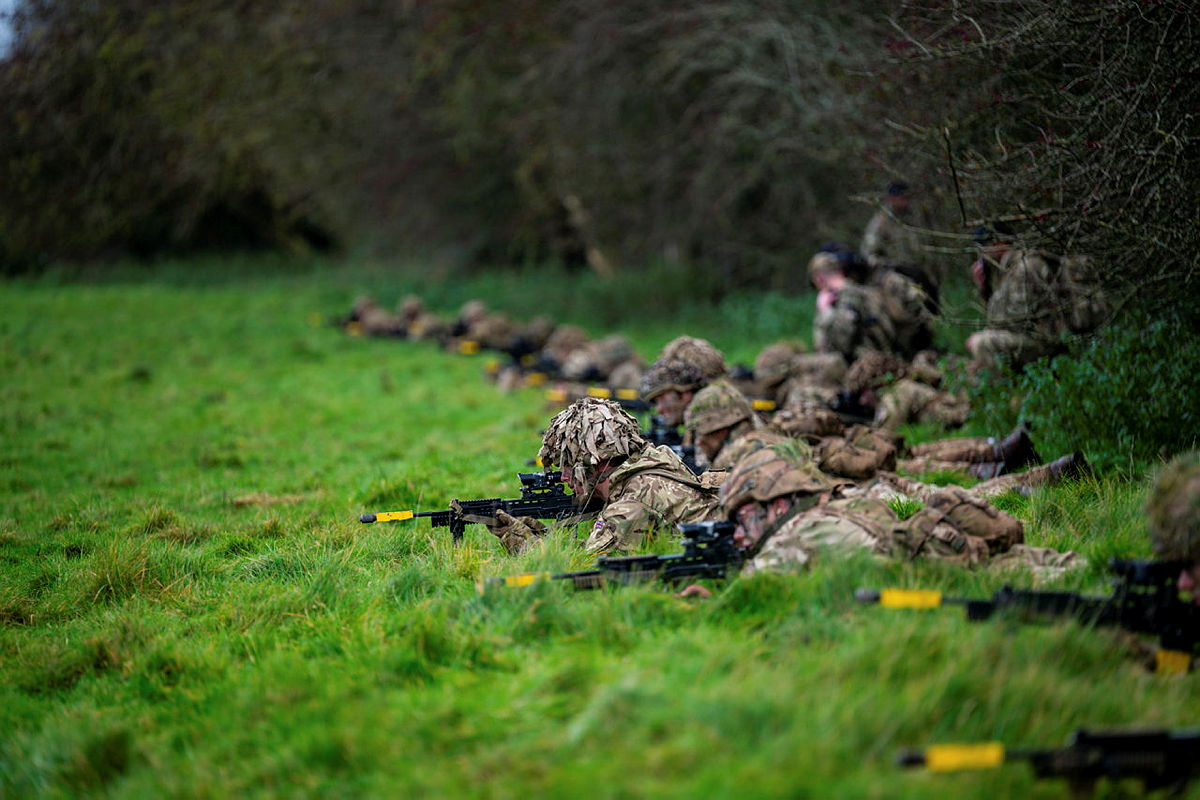
Finally, distributed operations reduce vulnerability by spreading forces across wider areas rather than concentrating them in predictable locations. Fewer high-value targets means fewer opportunities for A2/AD systems to achieve decisive effect with a single strike.
In practice, modern counter-A2/AD doctrine combines all four — stealth, standoff, electronic warfare, and distributed force posture — rather than relying on any single approach.
The Future of A2/AD
As drones, hypersonic weapons, cyber operations, and advanced sensors continue to evolve, A2/AD networks are becoming more sophisticated and interconnected.
Modern military planners increasingly view them not as individual weapons, but as integrated systems designed to detect, track, and engage threats across air, land, sea, space, and cyberspace.
In short, an A2/AD network is a layered defensive architecture that uses missiles, sensors, electronic warfare, and other capabilities to restrict an adversary’s ability to enter and operate within a contested area. It has become one of the defining concepts of 21st-century military strategy.