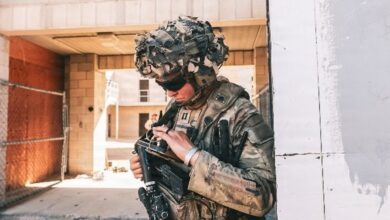
The US Army is partnering with Raytheon in logistics support for the TOW Improved Target Acquisition System (ITAS) through the end of the decade.
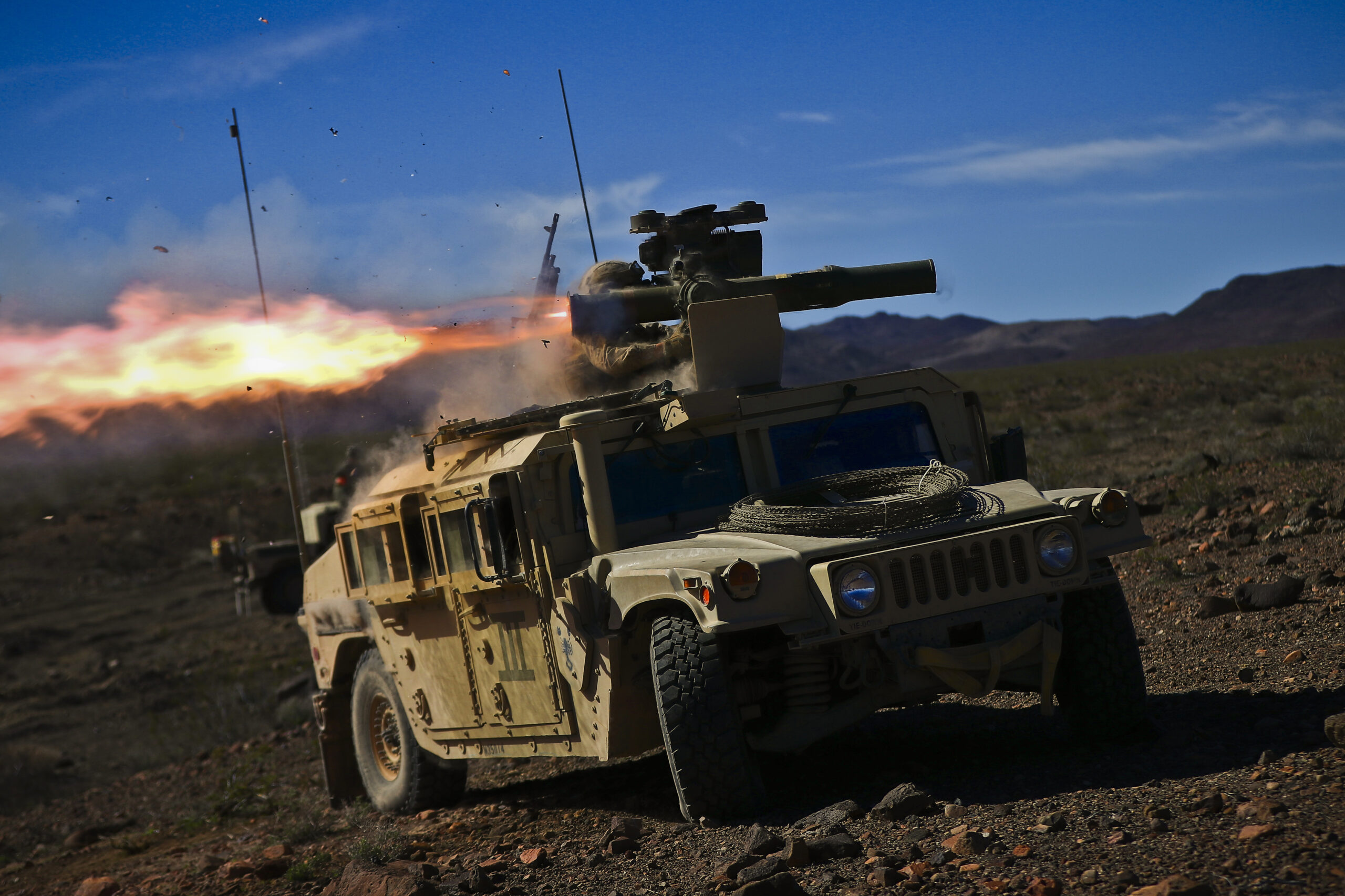
A presolicitation notice published by the military said the agreement would include the capability’s vehicle-mounted Modified ITAS (MITAS) variant, and would benefit the US Army, US Marine Corps, and future foreign military sales customers.
It covers sustainment, spare parts supply, deployment of field service representatives, information management, and logistics support.
The project, to be awarded under a sole-source contract, would consist of a 12-month base period with two 12-month options, covering calendar years 2028 to 2030.
The army noted that Raytheon’s selection is backed by its proven experience with ITAS development, saying that it is “only one responsible source and no other supplies or services will satisfy the agency requirements.”
Associated progress will be coordinated with the Army Contracting Command at Redstone Arsenal, Alabama, which holds oversight of the effort.
The ITAS and TOW Systems
ITAS is a guidance and fire-control system dedicated to the BGM-71 TOW anti-tank missile, improving target detection and engagement through thermal imaging, a laser rangefinder, and digital processes.
It is compatible with several missile variants and is designed to operate in day, night, and harsh weather conditions.
Meanwhile, TOW, short for Tube-launched, Optically tracked, Wire-guided system, was developed during the Vietnam War era in response to armored threats on the ground.
The 152mm surface-to-surface weapon has received multiple upgrades since its induction, offering configurations of up to 1.5 meters (5 feet) in length and a warhead weight support of up to 6 kilograms (13 pounds).
In the field, the missile travels at 320 meters (1,050 feet) per second and can neutralize targets at up to 3,750 meters (12,303 feet).