
“It may sound hard to believe,” writes one columnist, “but the almost trillion-dollar US military is struggling to fight cheap drones in its war with Iran.” Indeed.
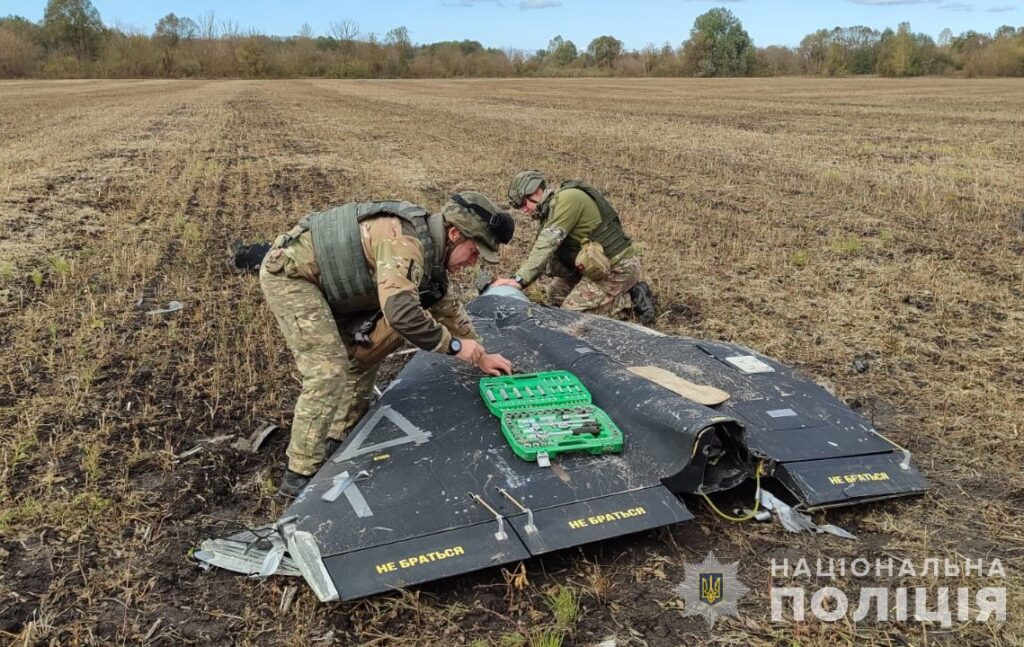
The United States has been using missiles worth $1 million to shoot down drones that cost just $20,000 — and the US military watched this playbook unfold first in Ukraine, where Iranian Shahed drones were sent in droves until the Ukrainians could no longer afford to intercept them.
The Ukrainians adapted. They developed interceptor drones that could crash into the Shaheds and bring them down. The interceptors cost $2,000. Spend $2,000, take down a drone worth $20,000, save lives. The math made sense.
Speed as Strategy
I was in Ukraine a few weeks ago. It wasn’t my first visit, but I was staggered by the pace of innovation on display.
Ukrainian drone manufacturers, some of them engineers barely out of school, are designing, building, deploying, and improving drones at breathtaking speed.
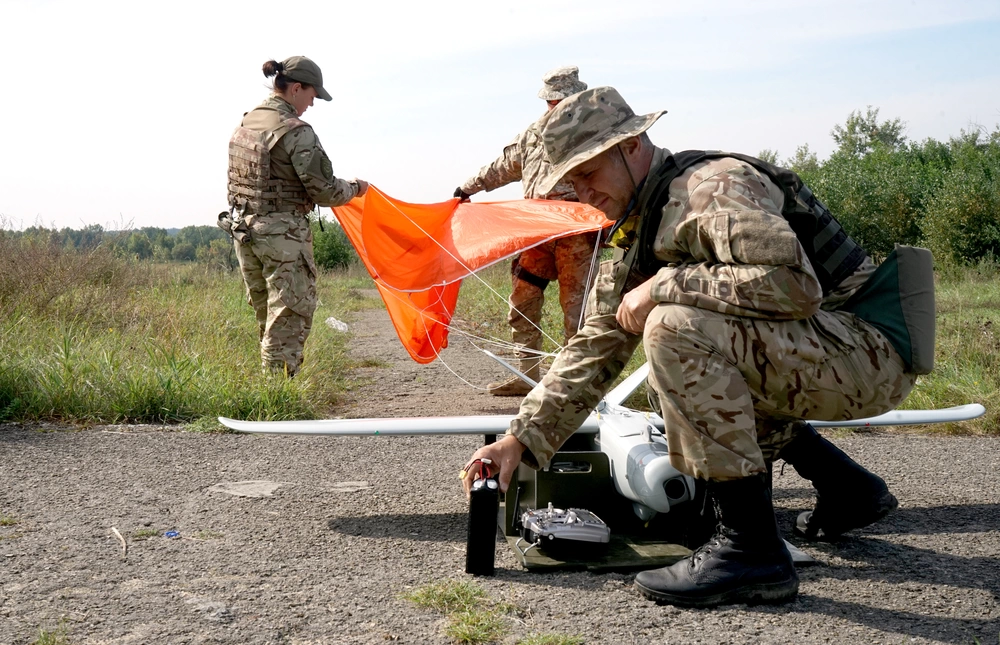
The engineers talk constantly to the drone operators and soldiers, who give feedback. The engineers then improve the model and production starts up again. It isn’t unusual for a drone to be improved several times in one week.
Ukrainian engineers told me they were baffled by their Western counterparts’ six-month testing schedules. Testing in Ukraine takes a day. The enemy isn’t going to wait for a certification process.
What’s impressive about these drones isn’t that they’re high-tech. It’s that they’re not. When establishment figures like Rheinmetall CEO Armin Papperger dismiss Ukrainian drones as “Legos” and deride their makers as “housewives with 3D printers,” they’re accidentally paying them a compliment.
The Ukrainians I spoke to were blunt: Western systems are over-engineered. Beautifully specified, expensively tested — and much too slow to improve once circumstances change. And they are always changing.
3D printing is part of why the Ukrainians can move so fast. Parts can be redesigned and fielded almost without delay. Small printers can be installed in any room; huge injection moulding machines need factory floors, which makes them targets. Workshops move before the Russians can find them. Flexible manufacturing isn’t a nice-to-have but a survival strategy.
What I Didn’t Expect to Find
This isn’t simply a story about drones. I was surprised by how knowledgeable Ukrainian engineers and operators were about materials, including composites — knowledge built out of necessity.
Some manufacturers are importing components from China, not naively, but because for many parts the Chinese supply chain is faster and more complete than anything available closer to home.
The lesson is that in war, the best supply chain is the one that actually gets you what you need.
There is also a human story Western Europe hasn’t fully reckoned with. Ukrainian technology professionals who had built lives abroad are returning to defend their country.
The line between civilian industry and national defense has become very thin. People frequently ignore the sirens warning that an attack is imminent. That helps explain the sheer pace of things in Ukraine. Everyone works. As one person put it to me: if you stop working, Russia has already won.
And yet people are dying. There are fewer personnel to operate the systems Ukraine’s engineers are building. That is why autonomy has moved to the center of their thinking — not as a futurist aspiration, but as a battlefield necessity.
Autonomy is the answer to a specific question: how do you fight a war when you’re running out of people to fight it?
What Europe Still Hasn’t Learned
Despite some positive signs — increased defense spending, the announced restructuring of Germany’s BAAINBw procurement agency — Western Europe remains stuck in bad habits: procurement geared toward a small number of large primes, long industrial cycles, risk-aversion, and predictability.
What the situation demands is speed, smaller companies, and a willingness to experiment and fail.
Many once-mighty European militaries still lack adequate protection against low-cost drone assault. Their armored vehicles are exposed. They spend fortunes on intercepting threats that cost a fraction to build.
We must stop treating Ukraine as a burden and recognize it for what it is: the world’s most advanced laboratory of modern warfare, subsidized in blood.
That laboratory has produced a clear set of lessons. Move fast and expect to be wrong. Build cheap, iterate constantly, and don’t mistake complexity for capability. Take autonomy seriously, not as a futurist aspiration but as a battlefield necessity. Fix your supply chains, even if that means uncomfortable choices. And set aside budgets specifically for innovation in Ukraine, paying smaller companies to test and refine technology where it actually matters.
Europe has had over four years to absorb these lessons. There isn’t a moment to lose.

Dr. Robert Brüll is the CEO at German company FibreCoat.
FibreCoat is a world leader in the creation of ultra-resilient, conductive, lightweight advanced materials. These are used for dummy tanks and decoy ships, spacecraft, chaff for fighter jets, and much more. They are suppliers to US and EU markets.
The views and opinions expressed here are those of the author and do not necessarily reflect the editorial position of The Defense Post.
The Defense Post aims to publish a wide range of high-quality opinion and analysis from a diverse array of people – do you want to send us yours? Click here to submit an op-ed.