Defense Startup STARK Secures $570M in Funding to Expand R&D, Manufacturing


German startup firm STARK has raised 500 million euros ($570 million) in a new funding round aimed at expanding research, development, and production of autonomous military systems across Europe.
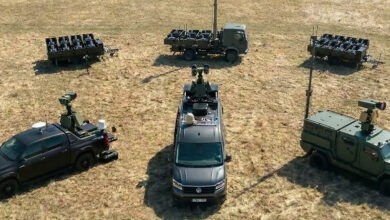
The investment will support the construction of new electronic warfare research facilities and increase manufacturing capacity to produce thousands of unmanned systems each month.
Investors participating in the funding round include Sequoia Capital, Founders Fund, the NATO Innovation Fund, Project A, Air Street Capital, 201 Ventures, Advent, and Döpfner Capital.
“The company has demonstrated an exceptional ability to move from concept to deployment, delivering technology that NATO nations actually need,” stated Patrick Schneider-Sikorsky, Partner at the NATO Innovation Fund.
“STARK is proving that technology built in Europe can grow, scale, and compete across the region and beyond.”
Expanding Operations
The latest funding follows a period of rapid expansion across Europe.
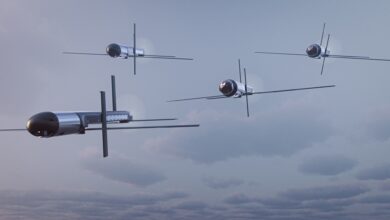
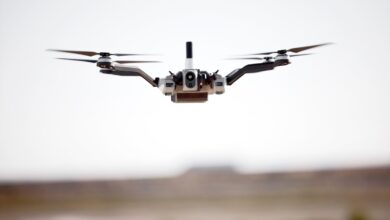
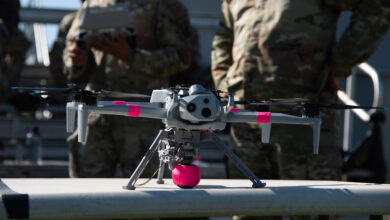
In February, STARK secured an agreement with the German Armed Forces to supply several thousand Virtus loitering munition systems.
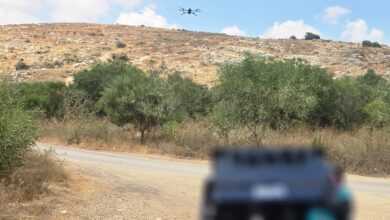
The vertical take-off and landing-capable platform has a range of more than 130 kilometers (81 miles) and an endurance of up to 90 minutes.
It can be deployed in less than 10 minutes, and features a data link designed to operate in GNSS-denied environments.
In addition to ongoing production efforts, STARK opened a research and development hub in Ukraine and a regional office in Greece earlier this year.
The 2,000-square-meter (21,500-square-foot) Ukrainian facility will house over 200 specialists focused on research, system integration, training, and support. Planned local manufacturing aims to accelerate development and production.
Further extending its footprint, in January, STARK announced plans to open its first Nordic office in Stockholm, marking the company’s entry into Sweden.
The engineering hub will focus on developing electronic warfare capabilities, including technologies that support navigation, targeting, and mission execution in contested electromagnetic environments.