Ukraine Receives Nearly Half a Million Drones, 95% Sourced Domestically

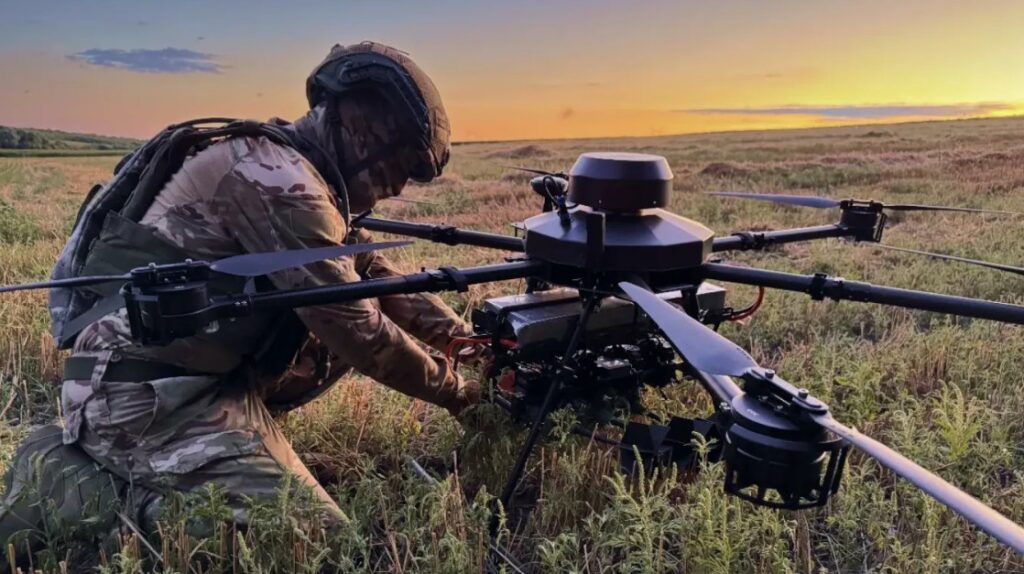
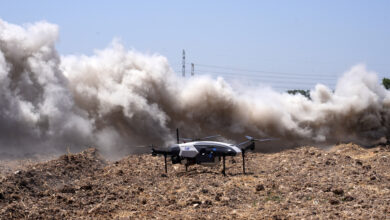
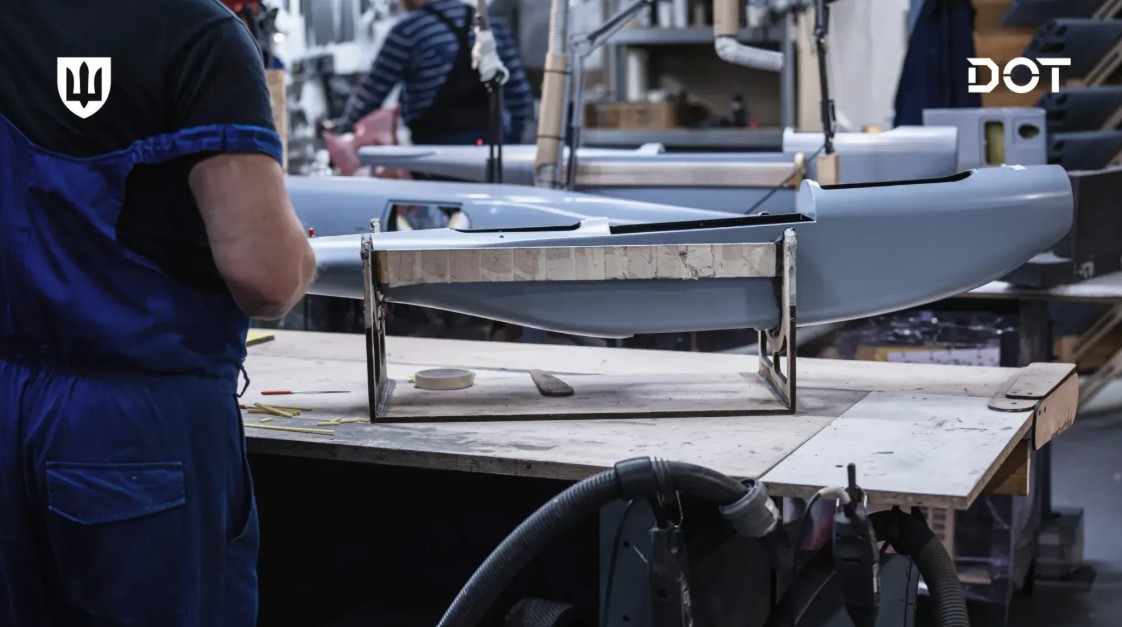
Ukraine has received 485,000 unmanned aerial vehicles through the DOT-Chain Defence procurement platform, with domestic manufacturers supplying 95 percent of the drones acquired by the armed forces.
The equipment, delivered during the first five months of this year, was valued at 31.4 billion hryvnias ($697 million).
Procurement covered multiple drone categories, including fiber-optic first-person view drones, Mavic-type reconnaissance platforms, and heavy bombers.
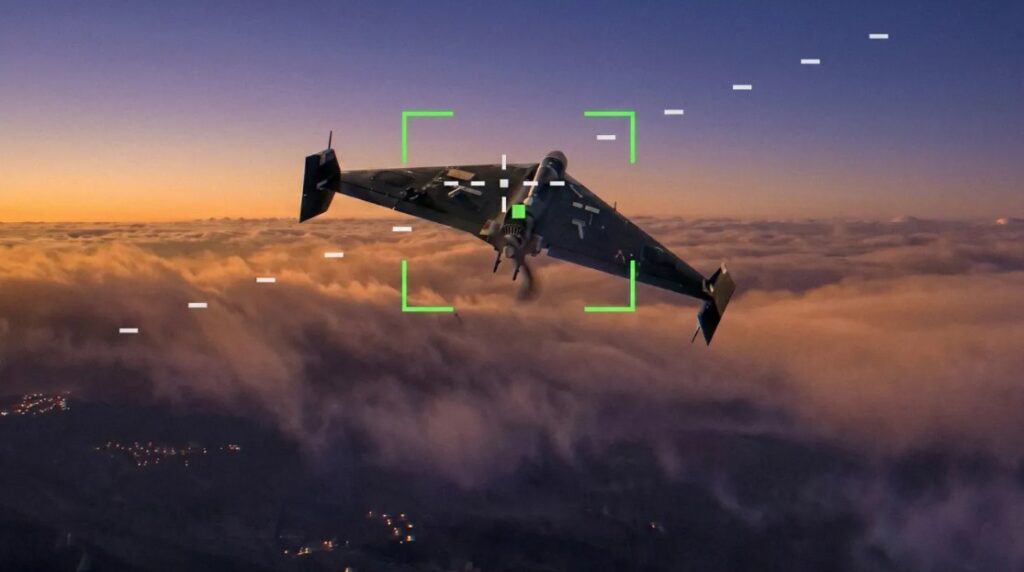
Acquisitions also included medium- and long-range strike drones and Shahed interceptors.
DOT-Chain Defence is a digital marketplace operated by the country’s defense procurement agency.
It allows frontline units to select equipment according to operational requirements, while the agency manages contracting, payments, and logistics.
The average time between an order and delivery is nine days, according to the ministry of defense.
DOT-Chain is also integrated with Brave1, Ukraine’s government-backed defense technology and innovation initiative, which supports the development, testing, and procurement of drones and other military capabilities.
New Procurement Process
The announcement follows procurement reform introduced by Kyiv in March to increase the use of operational data in drone acquisitions.
Under the new framework, military units submit their operational requirements to the General Staff, the body responsible for planning and coordinating Ukraine’s armed forces.
Rather than specifying individual drone models or manufacturers, the General Staff defines the military capabilities required for a particular mission, such as range, payload, or strike profile.
Data gathered from several military digital systems, including DOT-Chain Defence and Brave1 Market, is used to compare available systems and inform procurement decisions.
The process also incorporates data from eBalov, a platform used to assess the combat effectiveness of weapons and equipment.
Additional operational data is drawn from DELTA, Ukraine’s battlefield management system.
“The need for drones is formed automatically based on high-quality data from the battlefield – without the human factor, subjective influence, and corruption risks,” the ministry of defense said when announcing the reform.
In addition, the reform established a funding model allocating 80 percent of procurement spending to systems that have demonstrated operational effectiveness, while the remaining 20 percent is reserved for testing and evaluating new technologies.