
In a tense environment, decisions can shift in seconds. What is seen, what is suspected, and what could turn hostile, but in those moments, action isn’t left to instinct alone. There is always a framework guiding it.
The rules of engagement (ROE) define when and how force may be used in military operations by translating legal standards, mission objectives, and political direction into clear operational limits.
Step inside our quick guide to understand the decisions that define the battlefield.
What Rules of Engagement Do
Rules of engagement are the operating boundaries that define how force is authorized in a military mission.
They provide structure in environments where decisions must be made in seconds. They help answer questions like:
- When can force be used in self-defense?
- What level of threat justifies escalation?
- Which targets are authorized or prohibited?
In modern operations, ROE functions less like rigid rules and more like a dynamic framework that balances mission success with restraint, accountability, and control over escalation in fast-moving combat environments, shaping when to act, when to hold, and how far action can go.
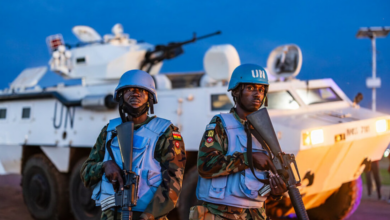
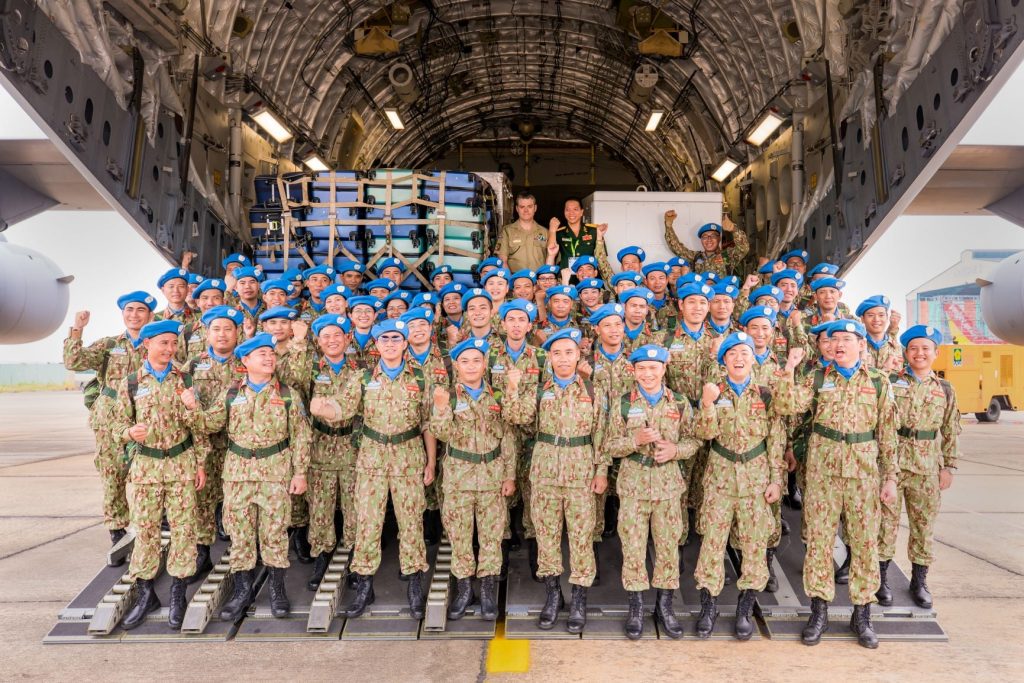
They vary depending on mission type, location, and political context. A peacekeeping operation, for example, will have far more restrictive ROE than a high-intensity combat mission.
How ROE Works in Practice
ROE is built into the mission long before deployment, embedded into planning cycles, and reinforced during pre-operation briefings.
It’s shaped through a layered process in which legal advisers, commanders, and political leadership align operational intent with legal constraints and strategic objectives.
In practice, ROE typically requires positive identification before any engagement, followed by warnings or graduated escalation steps before force is applied. It also sets boundaries on weapons and operating environments, and establishes explicit protections for civilians and infrastructure.
It is designed to guide judgment in complex, fast-moving situations where split-second decisions carry strategic consequences.
Flexibility Under Pressure
Despite their structure, ROE is not static. It can be adjusted as missions evolve, threats change, or political conditions shift.
Commanders may tighten or loosen rules depending on the operational environment, always within higher-level authorization.
This flexibility is what allows ROE to function in real-world conflict zones, where conditions rarely stay predictable for long.

Why ROE Matters
Rules of engagement sit at the intersection of law, ethics, and operational necessity. They provide discipline under pressure in fast-moving, chaotic environments, helping forces manage risk, prevent unintended escalation, and maintain accountability.
Beyond the battlefield, ROE also carries strategic weight. It translates national policy and international obligations into actionable limits, ensuring that military operations stay aligned with political intent.
Rules of engagement are ultimately about control in uncertainty. They don’t remove the complexity of modern operations but give it shape, turning instinct and necessity into decisions that can be defended, explained, and understood.