Missiles that outpace the reaction window of most defensive systems are reshaping how modern strikes are understood.
Moving at extreme speeds and capable of adjusting course mid-flight, a hypersonic missile compresses decision-making to seconds while remaining difficult to track, predict, or intercept.
These missiles push beyond Mach 5 (3,840 miles/6,180 kilometers per hour) while sustaining controlled flight within the atmosphere, merging velocity with maneuverability in ways that challenge traditional ballistic models and existing defense architectures.
Step into the full guide to see how hypersonic weapons are redefining speed, control, and survivability in modern warfare.
What Makes a Hypersonic Missile
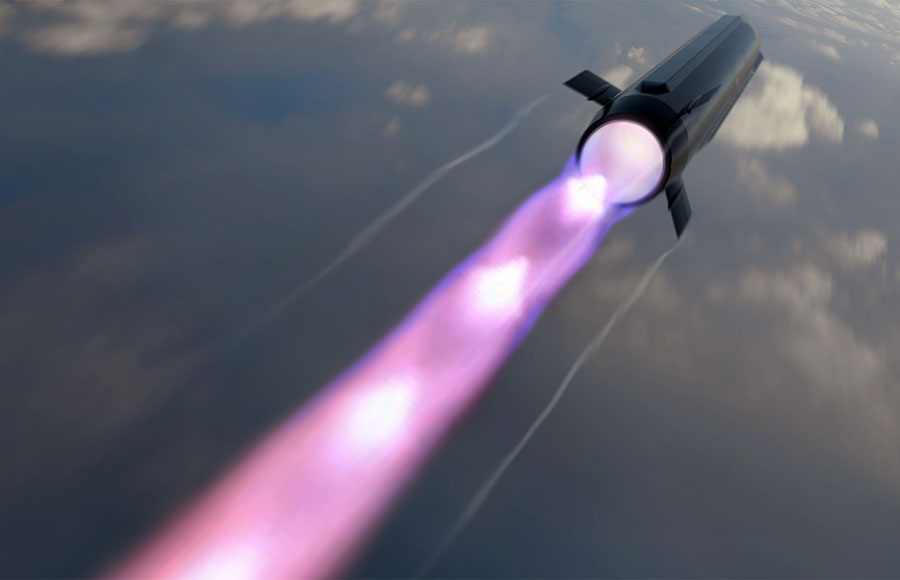
A hypersonic missile is defined by two core traits: extreme speed and in-flight maneuverability.
While ballistic missiles also reach hypersonic speeds, true hypersonic systems are designed to sustain that velocity within the atmosphere while actively changing direction.
There are two main categories:
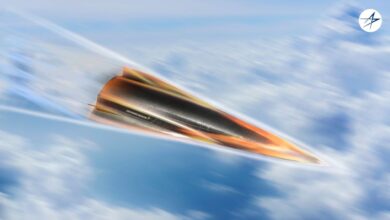
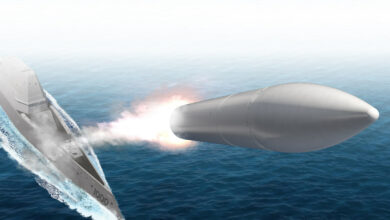
- Hypersonic Glide Vehicles (HGVs): These are missiles launched on rockets, then glide unpredictably toward targets. Examples of this are Russia’s Avangard, China’s DF-ZF or DF-27, and the US Navy’s Conventional Prompt Strike system.
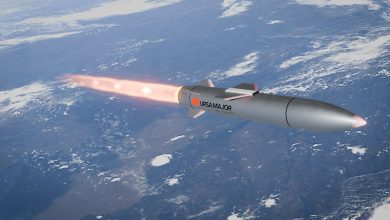
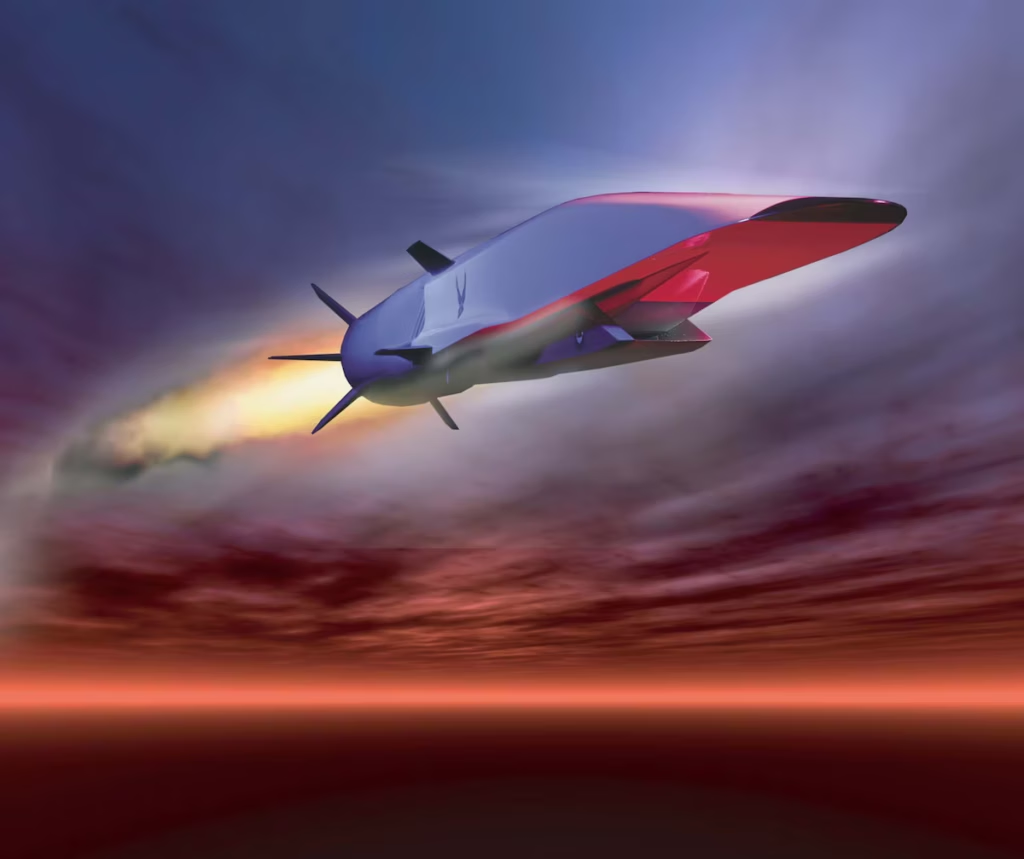
- Hypersonic Cruise Missiles (HCMs): These missiles are powered throughout flight, maintaining speed and maneuverability. Examples of this are France’s ASN4G, Russia’s 3M22 Zircon, and the US’ Hypersonic Air-breathing Weapon Concept.
How They Work
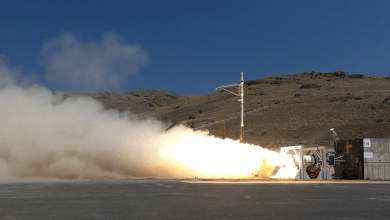
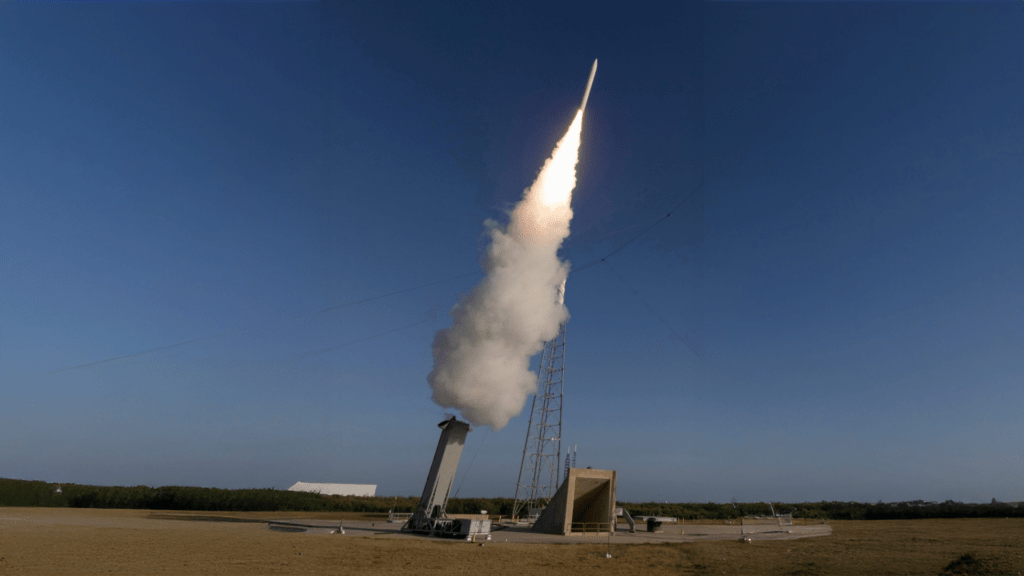
Hypersonic systems are built around a high-energy launch phase that rapidly accelerates the vehicle before transitioning into sustained atmospheric flight.
Depending on the design, this may involve a hypersonic glide vehicle that separates from a rocket booster and continues unpowered toward its target, or a hypersonic cruise missile powered by a scramjet engine that sustains thrust throughout much of its flight.
From that point on, it becomes a controlled, high-speed balancing act.
Advanced guidance systems work in tandem with aerodynamic control surfaces, making constant micro-adjustments to direction and attitude in real time. But operating at these speeds inside the atmosphere comes with extreme physical stress.
Intense heat, pressure fluctuations, and rapidly shifting flight dynamics demand materials and control architectures designed to hold steady under conditions that push conventional limits.
The result is a flight profile that is not only fast, but adaptable — capable of shifting course, altitude, and approach vector as conditions evolve.
Why They Matter
The strategic value of hypersonic missiles lies in timing. Their speed reduces decision-making windows, while their maneuverability complicates interception planning.
They are increasingly viewed as tools for rapid long-range strike capability, penetration of advanced air defenses, and strategic deterrence in high-tension environments.
Challenges and Limitations
Despite their advantages, hypersonic systems face major technical constraints:
- Extreme heat generated during sustained flight
- Complex guidance and control requirements
- High development and production costs
- Limited operational deployment compared to established missile systems
Strategic Outlook
Hypersonic missiles are being used operationally, but they are not yet as common as conventional cruise missiles, ballistic missiles, or precision-guided munitions.
Today, only a handful of countries have fielded operational hypersonic weapons:
- Russia has used the Kinzhal in Ukraine and has also deployed the Zircon.
- China has fielded the DF-27, though these have not been used in combat.
- The United States is still transitioning several hypersonic programs from development to operational deployment.
As testing expands and technology matures, hypersonic missiles are expected to become a central feature of long-range strike planning.
Their emergence is not just about speed; it’s about compressing the timeline of conflict itself, forcing faster decisions in already high-pressure environments.