
Kongsberg Maritime and the British Columbia Institute of Technology (BCIT) will establish a maritime research and training center in British Columbia through a 76.5 million Canadian dollar ($56 million) investment.
The Marine Innovation Simulation Centre of Excellence will bring together government, academia, industry, and defense stakeholders to research and test emerging maritime technologies and expand workforce training.
The funding falls under Canada’s Industrial and Technological Benefits (ITB) policy, which requires companies awarded major defense contracts to reinvest in the Canadian economy.
Maritime Research and Training Hub
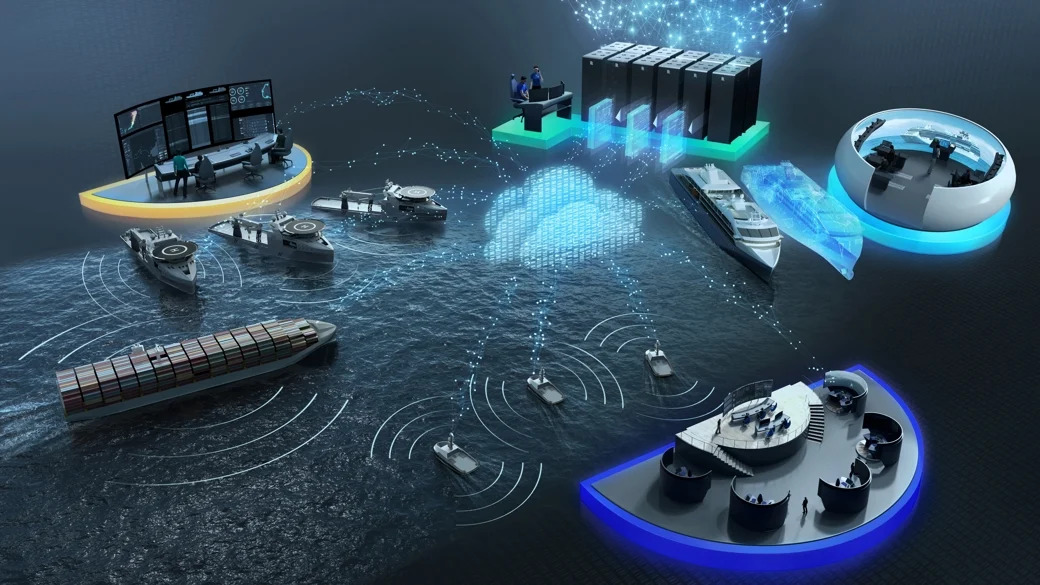
The center will use Kongsberg Maritime’s simulation technology to build a digital environment for applied research, testing, and education, supporting work on maritime autonomy, cybersecurity, port operations, critical infrastructure, maritime safety, and low- and zero-emission vessel technologies.
It will also be used to prototype new concepts, evaluate human-machine interaction, and analyze marine accidents before technologies reach operational environments.
Cloud-based simulation systems will let BCIT expand remote learning and broaden access to maritime training, including for indigenous communities and learners outside its main campus.
“Together with BCIT, we are establishing a long-term innovation and research hub for Canada’s maritime sector—one that can support safer operations, faster competence development and the testing of new concepts before they are deployed in the real world,” said Are Føllesdal Tjønn, managing director of maritime simulation at Kongsberg Maritime.
BCIT President Jeff Zabudsky said the facility is expected to support new education programs while giving Canadian businesses room to develop and test new technologies.
Supporting Canada’s Defense Industrial Strategy
The project aligns with Canada’s recently released Defence Industrial Strategy, which aims to strengthen domestic defense manufacturing, spur innovation, and build a skilled workforce for future military and commercial needs.
BCIT said the center is expected to drive workforce development, applied research, academia-industry collaboration, and the commercialization of new maritime technologies, while supporting Canada’s long-term maritime industrial capabilities.