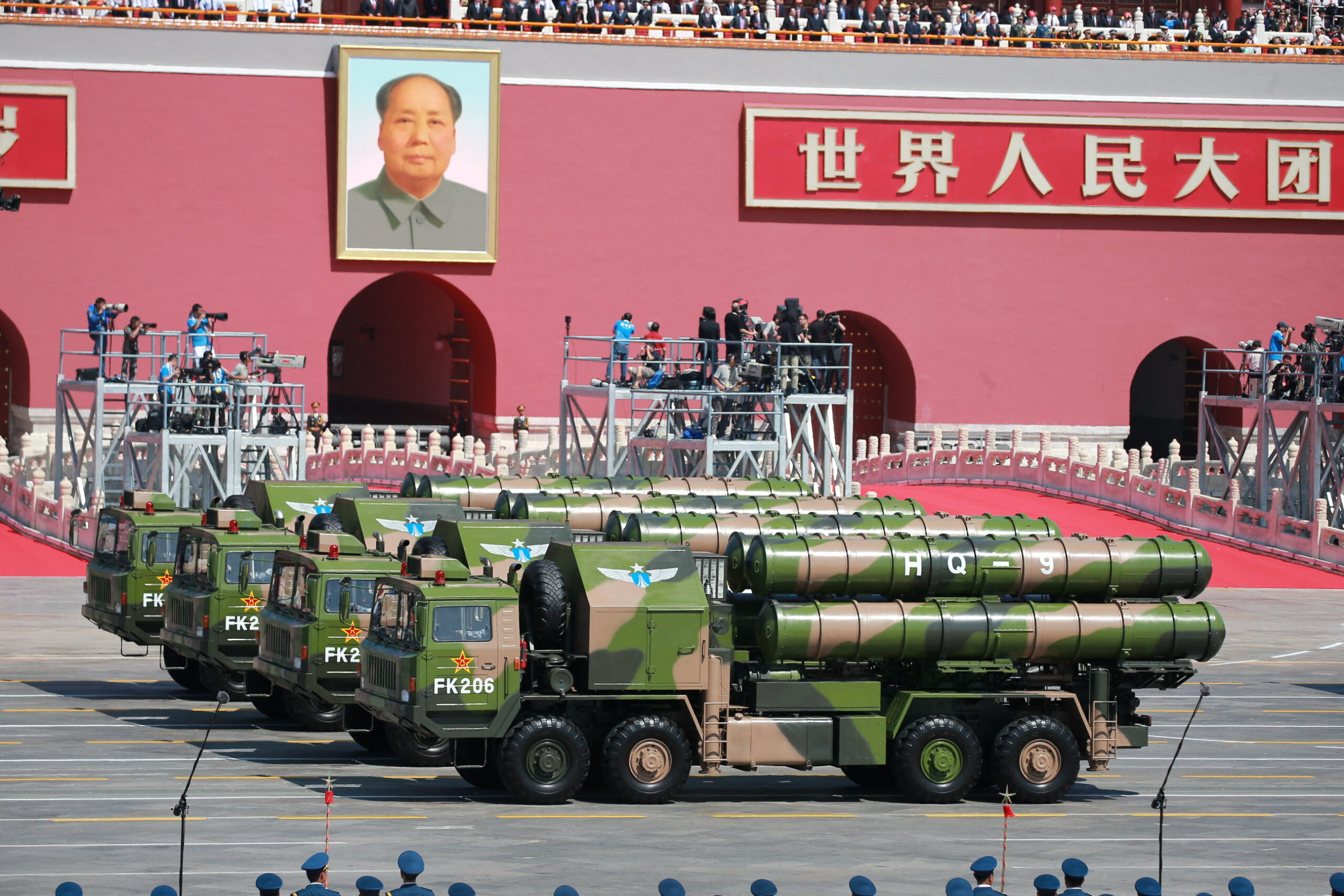
Serbia has reportedly confirmed its acquisition of China’s HQ-9 long-range surface-to-air missile system, with open-source intelligence account Dunav Intel citing Serbian President Aleksandar Vučić’s statement.
HQ-9 is intended to expand the country’s layered integrated air defense network, which comprises the Chinese-made FK-3 medium-to-long-range and HQ-17AE short-range systems, as well as the Russian-origin Pantsir-S1 short-to-medium-range system.
The Balkan country became the first European operator of the FK-3 when it deployed the platform in January 2025. It is also set to become the first in Europe to field the HQ-9.
The non-NATO nation and European Union candidate aims to maintain a neutral military stance, balancing relationships with its European neighbors while developing close ties with China.
It committed to strengthening military cooperation with China in 2021, was the first European country to order Chinese drones in 2020, and conducted its first-ever joint military exercise with Beijing in 2025.
HQ-9 Missile
The Chinese-origin HQ-9 was designed to engage aircraft and uncrewed aerial vehicles, as well as cruise and tactical ballistic missiles.
Depending on the variant, it features ranges from 100 to 300 kilometers (62 to 186 miles).
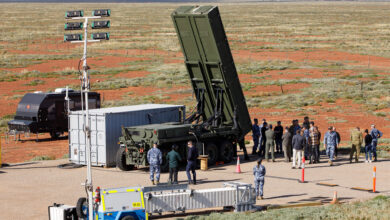
Each battery comprises command-and-control vehicles, radars, and mobile launchers carrying four interceptor missiles each.
Its export version, the 7-meter (23-foot) HQ-9BE missile system, weighs approximately 2,000 kilograms (4,409 pounds).
The HQ-9BE is typically mounted on an 8×8 wheeled truck, where it can simultaneously engage up to 10 targets.