Parsons Corporation has secured a $73-million contract to support the US Air Force Research Laboratory’s (AFRL) software development efforts under its GARDEM program.
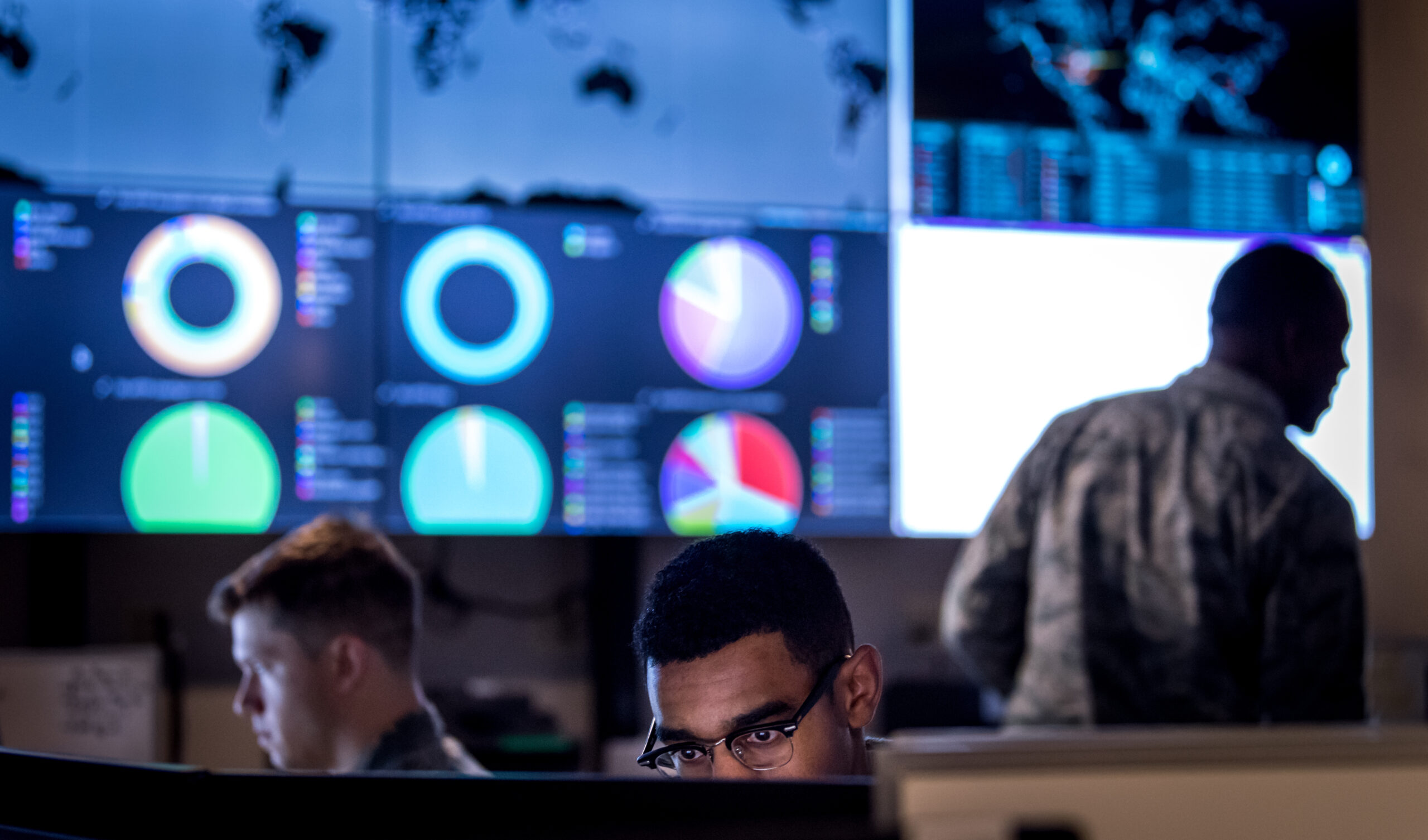
Short for Global Application Research, Development, Engineering and Maintenance, GARDEM builds, fields, and updates digital tools used in command and control, space, and intelligence, surveillance, and reconnaissance missions.
The award marks Parsons’ fourth GARDEM contract in 2026, bringing its total to $218 million, while expanding the company’s role across research, development, operations, and sustainment for GARDEM 2 enterprise systems.
Expediting Rollout, Cutting Costs
The highlight of the latest deal is the migration of GARDEM capabilities into Parsons’ in-house Lightweight Application Management Platform, designed for accelerated global mission deployment and efficient lifecycle expenses.
The firm noted that adopting its proprietary kit into the project will streamline services, improve integration, allow cross-training, and refine surge support across various GARDEM pathways.
Related activities will be conducted across field sites and existing installations.
Work is scheduled to be facilitated through May 2031, according to a previous US Department of Defense notice for the GARDEM contracting vehicle.
“Securing our fourth GARDEM award this year is a powerful validation of Parsons’ ability to deliver mission‑ready digital platforms that scale with our customers’ needs,” said Mike Kushin, president of defense and intelligence at Parsons.
“By intentionally designing GARDEM 2 for reuse, integration, and rapid adaptation, we will enable AFRL and the Air Force to deploy advanced data‑driven capabilities faster, at lower cost, and with greater operational impact across complex operational environments and all domains.”
The contract builds on Parsons’ expanding portfolio in artificial intelligence, data, software, cyber, and mission engineering in support of US armed forces operations.
Its past defense projects include $125 million in assistance for the US Army’s next-generation technological research laboratory, $18 million in air defense solutions supply and integrated digital security for military bases valued at $79.5 million, and a $12-million cybersecurity assessment with DARPA.